
 English
 简体中文
 Русский
 Français
 Português
 لالعربية


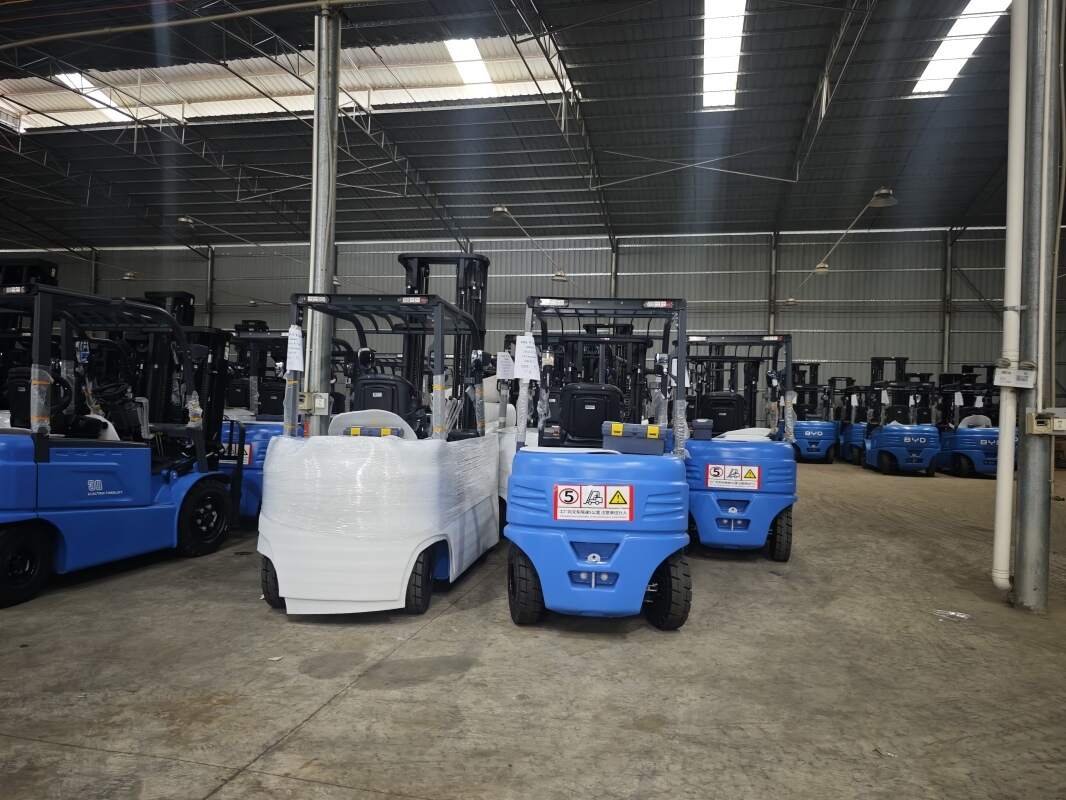
As low-carbon logistics development accelerates across the industrial sector, electric forklifts have gradually become a core equipment choice for most material handling scenarios, covering daily operations from small component transfer in production workshops to heavy pallet stacking in high-bay warehouses. Mastering systematic knowledge of electric forklift application, operation norms and maintenance can help logistics teams improve work efficiency while reducing unnecessary equipment wear.
Core Application Scenarios of Electric Forklifts
Unlike traditional internal combustion forklifts, electric forklifts produce no exhaust emissions during operation, which makes them suitable for enclosed working environments such as indoor warehouses, cold storage facilities, and food processing workshops that have strict requirements for air quality. Most conventional models can adapt to flat, solid ground with standard load capacity ranging from 1 ton to 5 tons, meeting the basic material transfer and stacking needs of most small and medium-sized logistics sites. For narrow aisle scenarios, the compact structural design of related models can also support normal passing and operation in aisle width below 3 meters, saving the usable storage space of the warehouse to a large extent.
Standard Operation Specifications for Daily Use
Before starting the equipment, operators need to check the remaining power level, brake sensitivity, tire wear condition and the flexibility of the lifting mast first, and confirm no abnormal obstacles around the operation area before starting. During the operation process, operators should avoid sharp acceleration and sudden braking, keep the load within the rated load range of the equipment, and do not lift the goods to an excessive height when driving on the moving path, to prevent the goods from falling and causing safety risks. After finishing the daily work, operators should park the equipment at the designated position, lower the lifting mast to the lowest horizontal position, cut off the main power supply, and arrange the charging work according to the remaining power condition.
Scientific Daily Maintenance Tips
Regular maintenance can effectively extend the service life of electric forklifts, and reduce the probability of unexpected equipment failure in peak operation periods. The core of daily maintenance lies in the regular inspection of the power system, cleaning the dust and sundries on the surface of the battery in time, checking the connection tightness of the circuit interface, and avoiding long-term over-discharge of the battery to protect the overall performance of the power unit. Operators can also arrange regular inspection of the hydraulic system, lubricate the movable parts of the lifting mast on schedule, to ensure the stability of the lifting and descending process of the goods.


