
 English
 简体中文
 Русский
 Français
 Português
 لالعربية


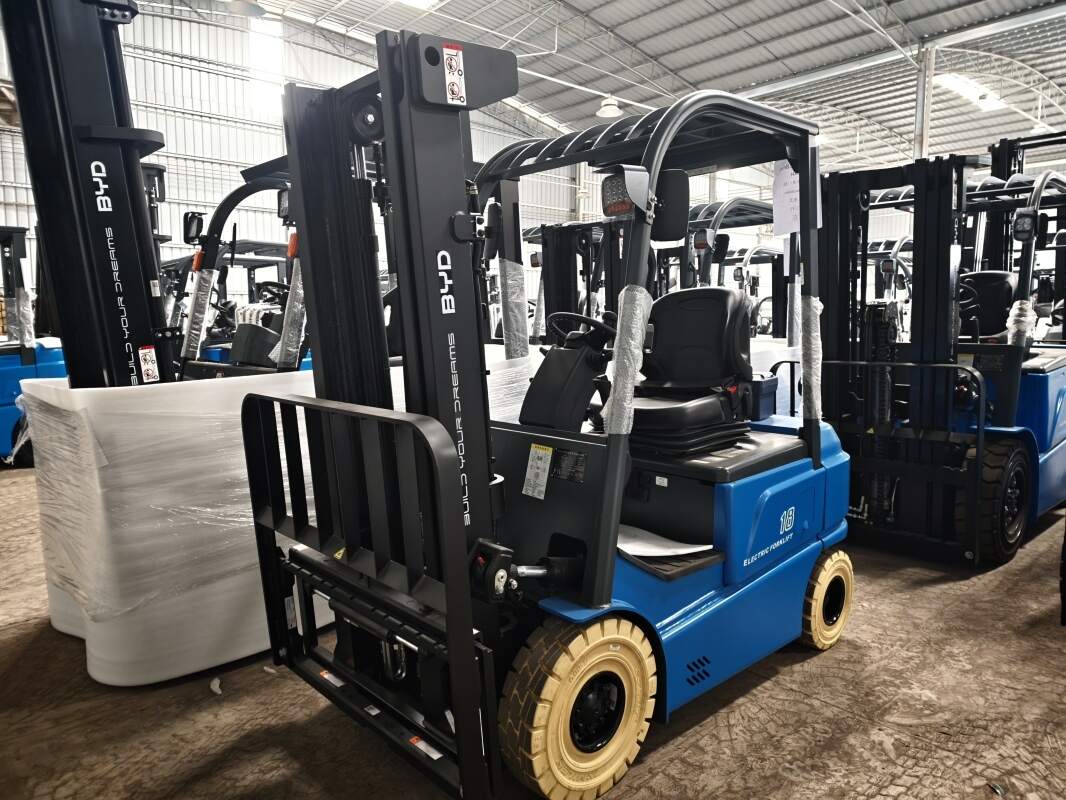
As low-carbon logistics becomes a mainstream development trend across the global industrial sector, electric forklifts have gradually replaced a large proportion of traditional internal combustion forklifts in various material handling scenarios, gaining wide recognition from warehouse managers and logistics operators. Reasonable mastery of relevant application, operation and maintenance knowledge can help enterprises give full play to the use value of this type of equipment.
Core Advantages of Modern Electric Forklifts
Compared with traditional internal combustion forklifts, electric forklifts have no tail gas emission during the whole operation process, which can adapt to closed warehouse scenarios with high requirements for air environment, such as food storage, pharmaceutical logistics and precision electronics workshops. The overall operation noise is kept at a relatively low level, which will not cause continuous noise interference to the surrounding working staff. The operation vibration is smaller than similar fuel equipment, which can reduce the risk of collision damage to fragile and precision goods during handling. The overall energy consumption cost is relatively stable in long-term use, and will not be greatly affected by the fluctuation of traditional fuel market price. Most of the operation control components are designed according to ergonomic standards, which can reduce the long-term work fatigue of operators.
Key Daily Maintenance Points for Long Service Life
Operators can arrange regular cleaning and inspection of the battery pack contact points in daily management, to avoid dust, oil and other dirt accumulation leading to poor power contact. After each full charging process, disconnect the charging interface in time to avoid the adverse effect of long-term overcharging on the battery performance. Check the wear degree of the walking wheels regularly, and clean the sundries wound on the wheel surface in time to avoid walking deviation or abnormal noise. When the equipment is idle for a long time, park it in a specified ventilated and dry area, and do not expose it to high humidity or strong sun exposure environment for a long time, which can effectively extend the overall service life of the equipment and reduce the comprehensive operating cost.
Safe Operation Guidelines to Reduce Work Risks
All operators need to complete corresponding professional skill training before taking up the post. Before each formal operation, check the sensitivity of the braking system first, and confirm that the lifting and tilting functions of the goods fork are in normal state. Do not transport goods beyond the rated load during operation, slow down in advance when turning, and keep attention to surrounding pedestrians and stacked obstacles. When driving on the ramp, keep the goods facing the upper side of the slope to avoid the risk of goods slipping. After the daily operation is completed, lower the goods fork to the lowest position completely, and pull up the parking brake before leaving the operation position. Following these standardized rules can help create a more stable and efficient on-site operation environment for frontline logistics teams.


