
 English
 简体中文
 Русский
 Français
 Português
 لالعربية


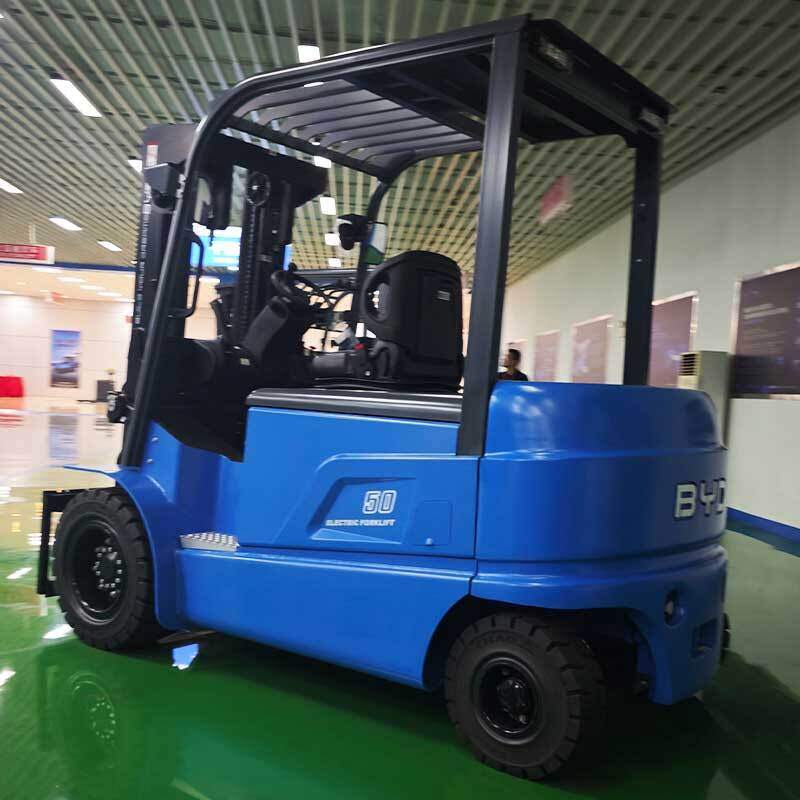
As the global logistics and warehousing sector accelerates the transformation to low-carbon, high-efficiency operation modes, electric forklifts have taken an increasingly large share of the internal material handling equipment market. Different from traditional internal combustion forklifts, electric forklifts rely on stored electrical energy to complete loading, unloading, stacking and short-distance transportation tasks, showing unique advantages in noise control and zero on-site emission scenarios.
Core Operational Specifications for Daily Use
Before the start of each work shift, operators need to complete a comprehensive pre-shift inspection, covering remaining power level, brake sensitivity, tire wear status, and the flexibility of lifting and tilting mechanisms. All operators should receive systematic pre-job training to master correct operation postures, avoid overloading beyond the rated load range, and keep the moving speed stable in narrow warehouse aisles to prevent collision with shelves or stacked goods. For long-distance moving scenarios, operators should avoid frequent sudden acceleration and sudden deceleration, which helps reduce unnecessary energy consumption and extend the service life of the core power system.
Routine Maintenance Best Practices
Scientific and regular maintenance can effectively reduce the failure rate of electric forklifts and prolong the overall service cycle. For the power storage module, users need to follow the specified standard charging procedures, avoid long-term over-discharge, and clean the surface of the module regularly to prevent dust accumulation from affecting normal heat dissipation. The walking drive system and hydraulic lifting system should be checked regularly for lubricating oil residue and wear of transmission components, and replace aging parts in time according to the actual operation status. Warehouses can also arrange regular professional safety inspections for the whole equipment to eliminate hidden risks that are not easy to find in daily use.
Energy Efficiency Improvement Methods in Actual Scenarios
Reasonable operation arrangement can further improve the energy utilization efficiency of electric forklifts and reduce the overall operating cost. Enterprises can plan the operation path reasonably according to the layout of the storage area, reduce the repeated turning and no-load driving distance, and concentrate the charging work in the non-working period of the warehouse to avoid affecting the normal operation peak. For the working environment with frequent low-temperature operation, users can take appropriate insulation measures for the power module, to avoid the sharp drop of energy output efficiency under low temperature conditions. This series of measures can help give full play to the performance advantages of electric forklifts, and create higher value for daily material handling work.


