
 English
 简体中文
 Русский
 Français
 Português
 لالعربية


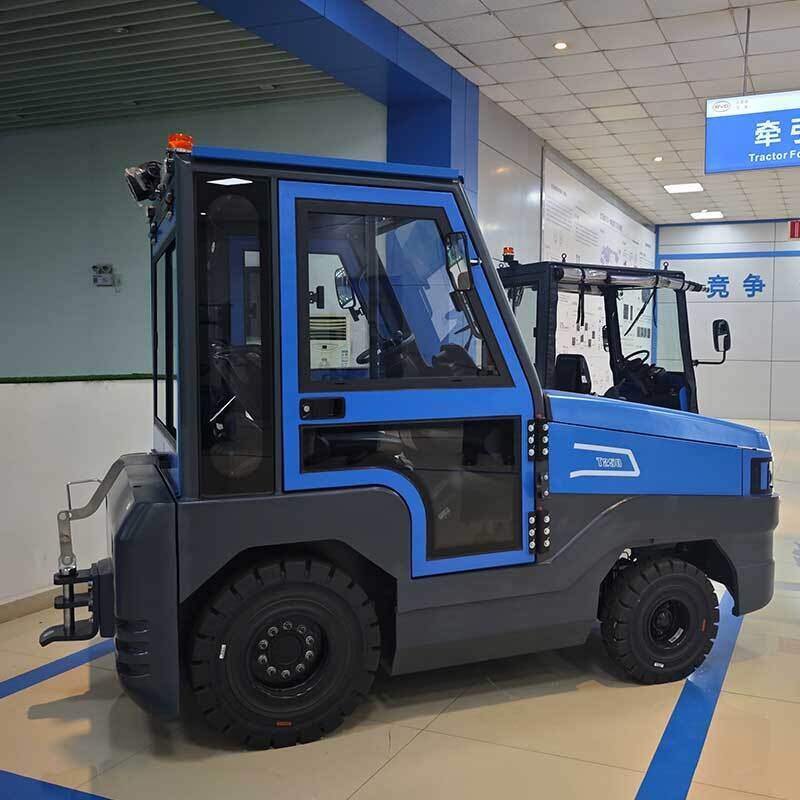
Against the background of rising global attention to low-carbon operation of industrial logistics, electric forklifts have gradually become one of the most widely applied material handling tools in closed operation scenarios such as warehouses, manufacturing workshops and distribution centers. As a practitioner with years of research on electric forklift performance and application scenarios, this guide sorts out practical, field-verified knowledge points for frontline operators and logistics managers.
Core Performance Features of Standard Electric Forklifts
Compared with internal combustion counterparts, electric forklifts run on rechargeable power modules, produce almost no tail gas emission during operation, and generate relatively low running noise, which can effectively improve the working environment comfort for long-term on-site staff. The overall structure of most products in the current market adopts modular design, which reduces the difficulty of partial component replacement and later fault checking, and fits the use requirements of different load weight levels from 1 ton to 5 tons for most conventional material handling scenarios.
Standard Operation Specifications for Daily Usage
Before starting each shift of operation, operators need to complete basic pre-inspection items, including checking the remaining power of the power module, the flexibility of the lifting and steering system, and the sensitivity of each safety protection component. During the operation process, operators should keep the load gravity center within the allowable range of the load curve, avoid sudden steering or sudden braking actions on the wet and slippery ground, and strictly control the driving speed according to the on-site scenario management rules to reduce the probability of collision or cargo falling accidents. For long-distance moving across different operation areas, operators should keep the lifting height of the fork at a low safe level to guarantee stable driving status.
Routine Maintenance Management Suggestions
After the daily operation work is completed, operators need to park the equipment in the designated parking area, lower the fork to contact the ground, turn off the power switch completely, and complete the necessary cleaning of the body surface to remove the debris attached to the wheel or fork teeth. For the power module, users should follow the official prompt requirements to complete charging operations in the specified temperature range, avoid long-term power loss storage, and check the connection terminals regularly to keep the contact state stable. Adhering to standardized daily maintenance can effectively reduce the frequency of unexpected equipment failures, extend the effective service cycle of the equipment, and help logistics teams control the overall operation cost within a reasonable range. When matching electric forklift products for specific scenarios, users can combine the actual operation intensity, average load weight, maximum working aisle width and other on-site parameters to select the suitable configuration to give full play to the use value of the equipment.


