
 English
 简体中文
 Русский
 Français
 Português
 لالعربية


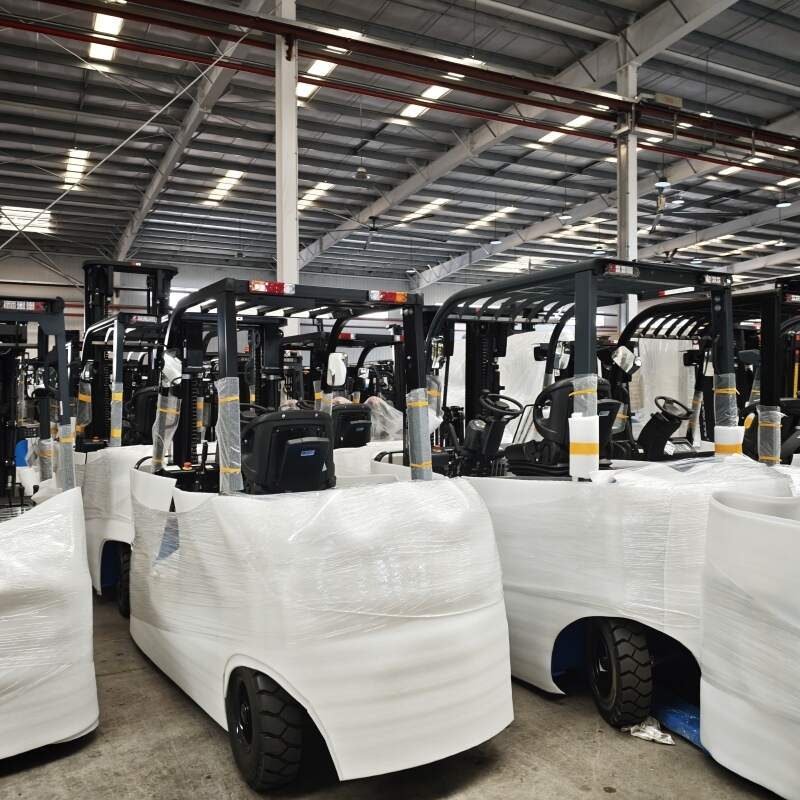
As low-carbon, high-efficiency material handling solutions gain wider adoption across industrial scenarios, electric forklifts have become core supporting equipment for most warehousing, manufacturing and distribution sites. A systematic grasp of correct operation rules and daily maintenance logic can help operators extend equipment service life and reduce unnecessary operational risks in daily work.
Basic Pre-operation Check Specifications
Before starting any operation, operators need to complete a series of routine inspections to eliminate hidden dangers in advance. The inspection scope covers the power system status, brake sensitivity, tire wear condition, and the normal operation of lighting and warning signal devices. Operators should also confirm that the surrounding working area is free of irrelevant obstacles and unrelated personnel, to avoid collision risks caused by visual blind spots during subsequent handling operations.
Standard Daily Operation Norms
During the operation process, operators need to keep the vehicle running at a reasonable speed that matches the site condition, avoid sudden acceleration or sudden braking actions that may cause the loaded goods to slip off the forks. When carrying goods, the center of the goods should be kept within the rated load range marked on the equipment nameplate, and overloading is not allowed even in short-distance handling scenarios. When the equipment runs on ramps, the goods should be kept facing the upward direction of the slope to prevent accidental sliding.
Daily Maintenance and Management Points
After each daily operation is completed, operators should park the equipment in the designated area, lower the fork to a position close to the ground, cut off the power supply in time, and complete the routine cleaning of the vehicle surface and the working parts of the gantry structure. The power battery should be charged in accordance with the specified operation process, and avoid over-discharging or long-term overcharging that may affect the overall performance of the battery pack. Regularly arrange specialized personnel to check the wear of transmission parts and the tightness of connecting lines, to ensure that the equipment remains in good working condition for a long time.
Following the above operation and maintenance logic can help industrial users give full play to the performance advantages of electric forklifts, create a safer and more efficient material handling environment, and support the stable operation of the entire warehouse operation system.


