
 English
 简体中文
 Русский
 Français
 Português
 لالعربية


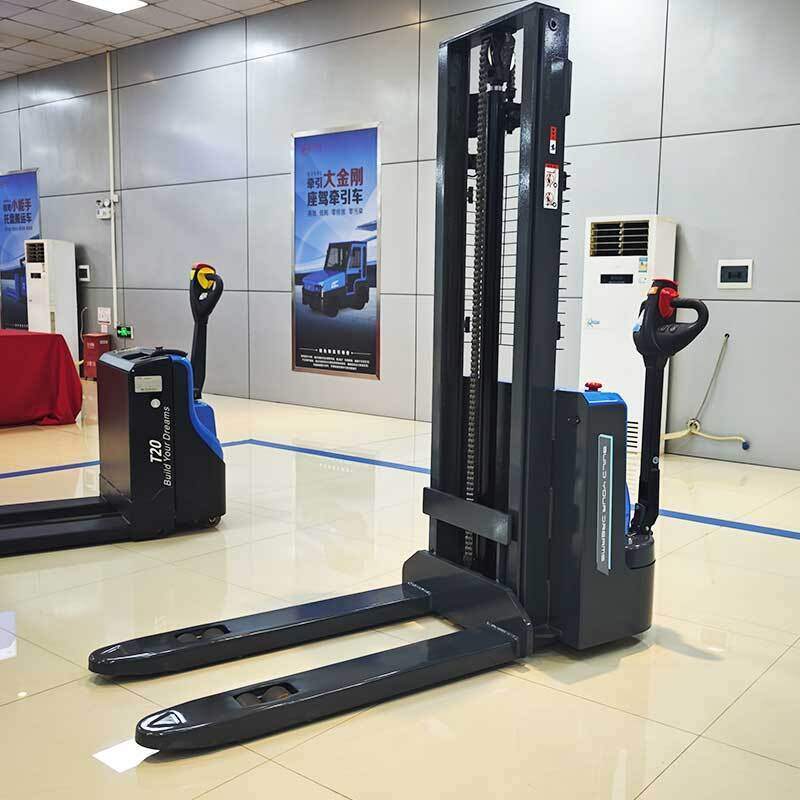
In recent years, electric forklifts have become one of the most widely used material handling equipment in the global industrial and warehousing sectors, as more enterprises prioritize low-carbon operation and comfortable working environment for frontline workers. This practical guide covers core knowledge points for operation, maintenance and scenario matching, to help relevant practitioners better grasp the usage rules of such equipment.
Core Application Advantages of Electric Forklifts
Different from traditional internal combustion powered handling equipment, electric forklifts produce no local exhaust emission during operation, and generate relatively low noise, which makes them suitable for enclosed spaces such as indoor warehouses, food processing workshops and pharmaceutical production areas that have strict requirements on air quality. Their power output is smooth and controllable, which can reduce the vibration of carried goods, lowering the risk of damage to fragile cargo during handling processes.
Standardized Daily Operation Guidelines
Before each shift, operators need to complete a pre-operation check, covering remaining battery level, brake system sensitivity, steering flexibility, and surface integrity of forks, to eliminate hidden risks before formal operation. During working hours, operators should clear obstacles in the operating path in advance, avoid overloading beyond the rated load capacity, slow down in advance when turning, and keep stable driving direction when passing slopes, to prevent accidental sideslip or cargo falling.
Routine Maintenance Suggestions
For the core power battery part, operators should follow official charging specifications, avoid overcharging or deep over-discharging, and conduct regular supplementary charging if the equipment needs to be idle for a long period. Operators also need to regularly clean up dust and debris accumulated on the body, check for possible leakage of the hydraulic system, replace corresponding lubricating oil on schedule, and inspect the wear condition of vulnerable parts regularly, replace the parts in time before their performance fails, to reduce unexpected downtime.
Scenario Matching for Better Performance
Enterprises can select electric forklifts with corresponding parameters according to their actual operating conditions. For narrow aisle warehouses, compact body models can help improve space utilization rate. For high rack storage scenarios, models with higher lifting height can meet the demand of storing and picking goods at high positions. For low temperature cold storage scenarios, configurations adapted to low temperature environment can reduce performance attenuation caused by extreme temperature. Proper matching can effectively reduce unnecessary energy consumption, and improve the overall operation efficiency of the whole handling link. Following the above operation and maintenance rules can help enterprises make full use of the characteristics of electric forklifts, optimize the comprehensive cost of material handling in the long run, and create a safer and more comfortable working experience for frontline operators.


