
 English
 简体中文
 Русский
 Français
 Português
 لالعربية


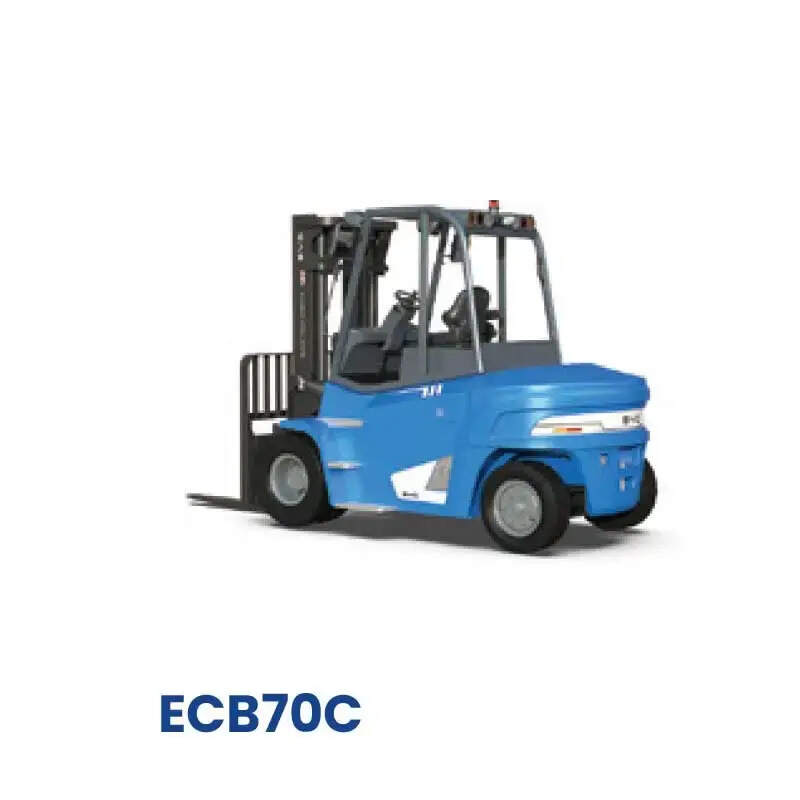
With the continuous promotion of low-carbon logistics and the upgrading of indoor storage operation requirements, electric forklifts have become one of the most widely used material handling equipment in daily operation scenarios. Different from internal combustion forklifts, electric forklifts rely on battery power supply, featuring lower noise emission and no exhaust pollution, which fits the operation demands of enclosed spaces such as production workshops, cold storage, and high-sensitivity goods storage areas. Mastering the correct use and maintenance rules can help enterprises maximize the value of electric forklift input.
Core Points of Standardized Daily Operation
When starting the electric forklift, operators should first check the surrounding working environment to confirm no obstacles or unrelated personnel stay in the operation route, and adjust the operation seat and rearview mirror to a suitable position before fastening the safety belt. During the handling process, the load weight should not exceed the rated load range marked on the equipment nameplate, and the fork distance should be adjusted according to the pallet size to avoid the goods sliding off in the moving process. It is not recommended to carry out sharp steering or sudden braking actions at high speed, especially when the goods are forked at a high position, which may easily cause the center of gravity of the whole vehicle to shift and bring hidden safety risks.
Scientific Daily Maintenance Guidelines
Regular maintenance work of electric forklifts can effectively reduce the failure rate of core components and extend the overall service life. For the power battery part, operators should avoid over-discharging the battery to less than 20% of the total power before charging, and select the matched charging equipment in a dry and ventilated charging area, to avoid potential safety hazards caused by damp circuit. The walking motor and hydraulic lifting system should be inspected regularly, to check whether there is abnormal sound or oil leakage during operation, and clean the dust accumulated on the surface of the equipment and heat dissipation parts every week to ensure the normal heat dissipation efficiency of the equipment.
Scenario Matching Optimization Suggestions
For different operation scenarios, users can adjust the configuration and use habit of electric forklifts to get better use effect. For narrow aisle storage scenarios, the electric forklift with smaller turning radius can give full play to its flexibility advantage, and the running speed can be properly controlled below 5km/h to adapt to the dense goods placement environment. For cold storage operation scenarios, operators can properly adjust the battery use and maintenance frequency, and select the matching low-temperature resistant parts configuration to reduce the performance attenuation of the equipment in low temperature environment. Such targeted adjustment can further improve the operation adaptability of electric forklifts in different working conditions.


