
 English
 简体中文
 Русский
 Français
 Português
 لالعربية


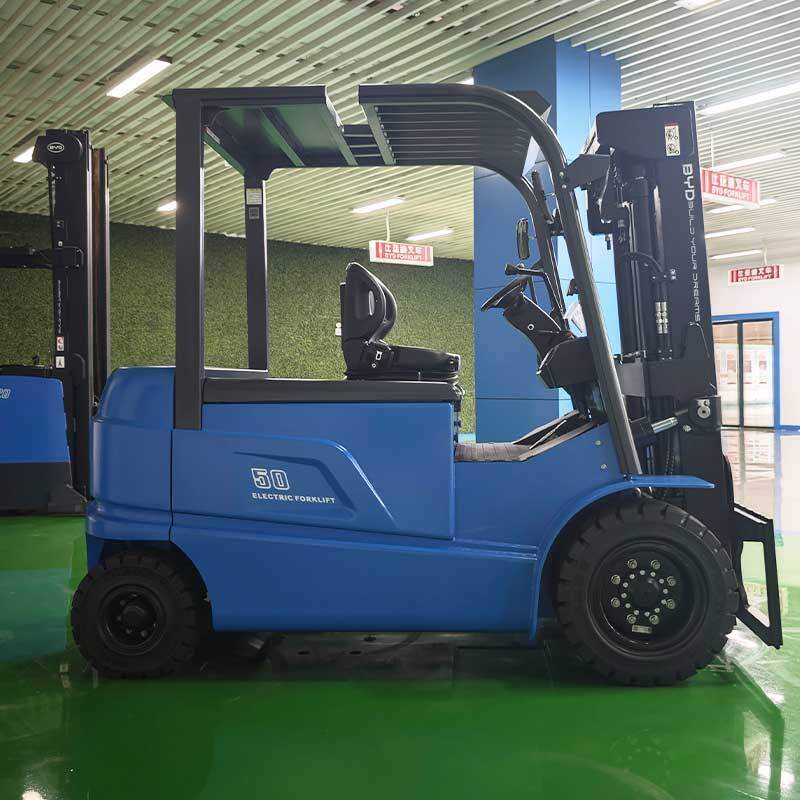
As the logistics and warehousing industry continues to pursue low-carbon, low-noise and low-cost operation modes, electric forklifts have become one of the most widely applied material handling equipment in indoor operation scenarios in recent years. Mastering correct use methods and maintenance rules can help enterprises give full play to the use value of such equipment.
Core Performance Features of Modern Electric Forklifts
Unlike traditional internal combustion handling equipment, electric forklifts generate almost no exhaust emissions during operation, and the overall operation noise level is significantly lower, which can better meet the operation requirements of closed indoor spaces such as supermarkets, cold storage, and pharmaceutical warehouses. The power output of the electric drive system is smoother, which can reduce the jitter of the goods during the handling process and lower the risk of damage to fragile packaged goods.
Standard Daily Operation Specifications
Before starting the equipment every day, operators need to check the remaining power status, the flexibility of the braking system, and the wear degree of the forks first, and confirm that there is no abnormal blockage in the walking channel before starting the operation. During the operation process, operators should keep the load within the rated load range, avoid rapid steering or sudden braking when the goods are lifted to a high position, and remind surrounding staff to avoid entering the operation blind area through prompt signals when necessary.
Routine Maintenance Suggestions
After the daily operation is completed, the staff should park the equipment in the designated charging area, lower the forks to a horizontal position close to the ground, and cut off the main power supply. Regularly clean the dust and sundries accumulated on the surface of the power system and walking wheels, check the connection tightness of the line interface, and avoid long-term full power or zero power storage to extend the overall service life of the power core components.
Scenario-based Efficiency Optimization
For different application scenarios, users can adjust the corresponding operation parameters according to the actual load weight and channel width, reasonably arrange the operation route to reduce the repeated moving distance, and regularly organize the operation personnel to carry out skill training to further improve the overall operation efficiency of the handling links.


