
 English
 简体中文
 Русский
 Français
 Português
 لالعربية


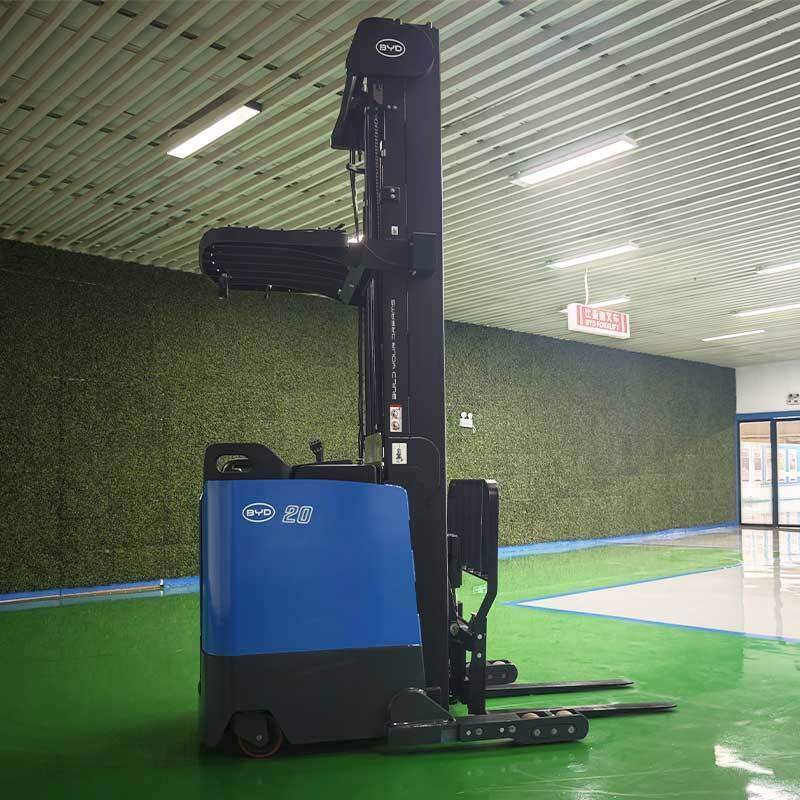
With the continuous promotion of low-carbon production concepts in the industrial material handling sector, electric forklifts have gradually become one of the most widely used handling equipment in various enterprise scenarios, and mastering correct usage and management rules can bring multiple practical benefits to daily operation.
Core Applicable Scenarios of Electric Forklifts
Unlike internal combustion handling equipment, electric forklifts produce no exhaust gas during operation, and the overall operating noise is maintained at a relatively low level, which makes them suitable for closed indoor storage spaces, food processing workshops, cold chain storage areas and other scenarios that have strict requirements for air environment and working noise. For general pallet transportation, bulk cargo handling and high-position stacking operations, electric forklifts can output stable power to meet the basic operation needs of most conventional material handling links, without generating extra disturbance to surrounding working staff and stored goods.
Routine Daily Maintenance Specifications
Regular standardized maintenance can effectively extend the overall service life of electric forklifts and reduce the probability of unexpected failures during peak operation periods. Operators need to check the power state of the energy storage component before each shift, check whether the connecting lines have abnormal wear, and confirm the wear degree of the tire surface and the sensitivity of the braking and steering systems. After the daily operation is completed, the surface of the vehicle body and the dust accumulated near the electrical components should be cleaned in time to avoid dust deposition affecting the heat dissipation effect of the core control components, and the whole maintenance process does not need too much complex professional operation.
Energy Efficiency Optimization Suggestions
To further reduce the operating cost per unit of handling, enterprises can optimize the daily driving route of electric forklifts according to the layout of the operation site, reduce unnecessary long-distance empty driving, and avoid long-term high load idling of the equipment. When carrying out charging operations, it is necessary to refer to the official parameter specifications to complete the charging process, avoid over-discharging the energy storage component for a long time, so as to maintain the stable performance of the equipment in long-term continuous operation. Reasonable operation and standardized maintenance can fully release the use value of electric forklifts, and provide reliable support for the efficient operation of the enterprise's internal material handling system.


