
 English
 简体中文
简体中文 Русский
 Français
 Português
 لالعربية

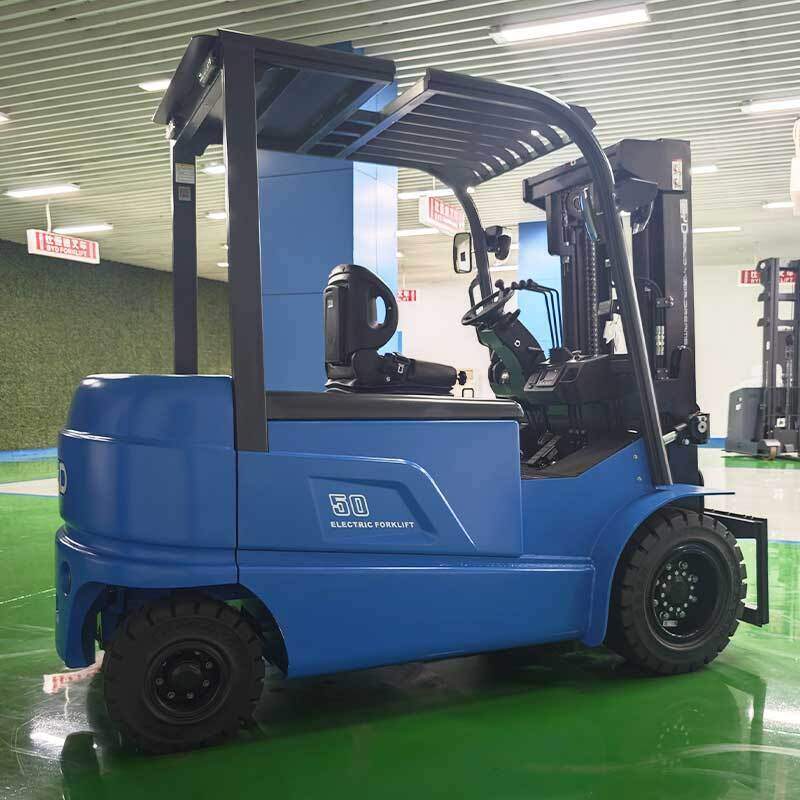
As low-carbon logistics becomes a core development trend across the global industrial sector, electric forklifts have gradually become a mainstream choice for material handling scenarios in recent years, drawing wide attention from warehouse operators, logistics managers and manufacturing site supervisors. Many practitioners still have ambiguous understanding of the core performance, proper operation rules and value maximization methods of such equipment, so this systematic guide sorts out practical, verified industry common sense for relevant personnel to refer to.
Core Performance Advantages of Modern Electric Forklifts
Unlike internal combustion powered handling equipment, electric forklifts convert electrical energy into driving and lifting power, which produces no tail gas emission during the whole working process, making it suitable for enclosed operation spaces such as indoor warehouses, food processing workshops and pharmaceutical storage areas. The overall noise level during normal operation is also significantly lower than that of fuel-powered counterparts, which can effectively reduce the noise interference to surrounding working staff and lower the long-term occupational health risk caused by high decibel working environment. Most modern electric forklift structures adopt integrated modular design, which reduces the number of vulnerable moving parts to a certain extent, and the overall operation stability meets the use requirements of medium and low intensity daily working scenes.
Standard Operation Specifications for Daily Use
Operators need to receive systematic pre-job training before using the equipment, and conduct necessary appearance and function checks before each startup, including checking the remaining power level, the flexibility of the lifting and descending mechanism, the sensitivity of the brake system, and the normal state of the lighting and warning devices. During the operation process, operators should avoid overloading the equipment beyond the rated load range, keep the load center within the specified safe distance, and avoid sharp turning, sudden braking and other improper operations as far as possible. After the daily work is finished, the equipment should be parked in the designated charging area, the power supply can be connected for charging according to the remaining power condition, and the accumulated sundries on the surface of the vehicle body and the chassis can be cleaned properly.
Daily Maintenance and Cost Control Suggestions
Regular targeted maintenance can effectively extend the overall service life of electric forklifts and reduce unexpected failure rate in daily operation. For the power battery component, relevant personnel should follow the official recommended charging and storage rules, avoid long-term full power or zero power storage state, and regularly check the connection tightness of the circuit interface. For the walking and lifting transmission system, regular lubrication treatment should be carried out according to the specified maintenance cycle, and the worn parts should be replaced in time when abnormal wear is found during daily inspection. Compared with fuel-powered equipment, the daily energy consumption cost of electric forklifts is relatively controllable, and reasonable maintenance arrangement can help enterprises further reduce the average comprehensive use cost in the whole life cycle.


