
 English
 简体中文
简体中文 Русский
 Français
 Português
 لالعربية

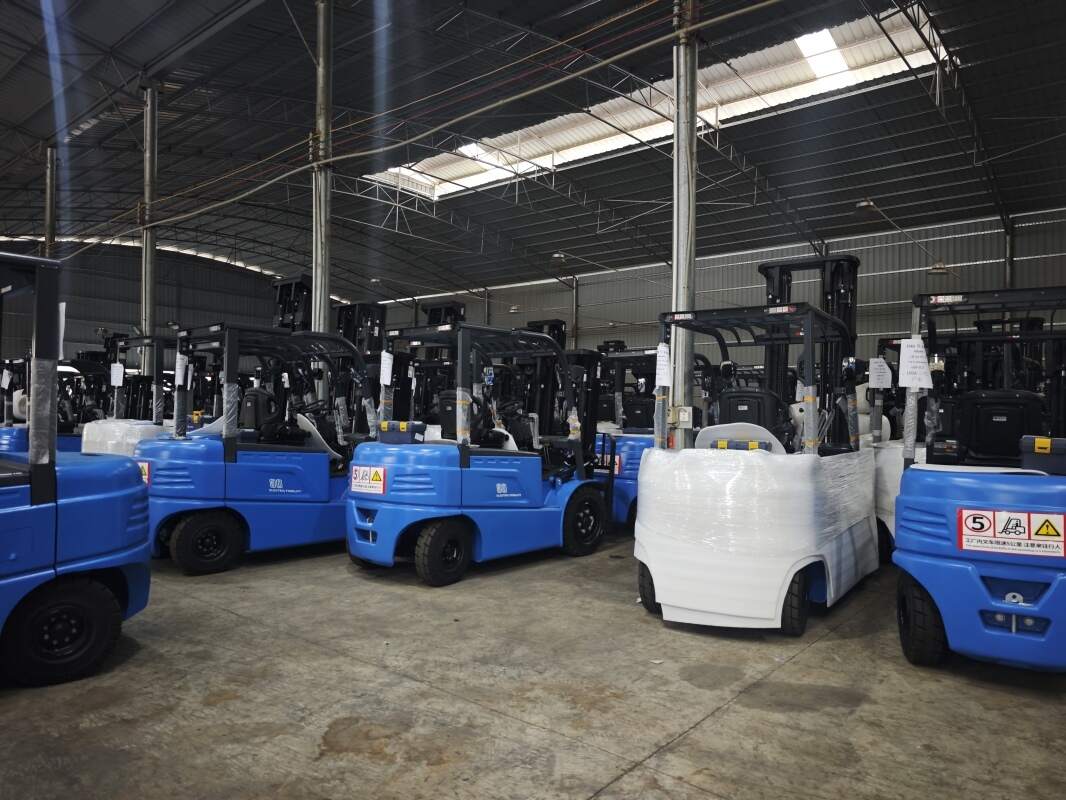
As low-carbon transformation becomes a core trend in the global logistics and warehousing sector, electric forklifts have gradually become the mainstream configuration for indoor and semi-outdoor material handling scenarios. Many frontline operators and warehouse managers still have cognitive gaps in maximizing the full lifecycle value of this type of equipment, and this article shares practical, industry-validated professional points from a popular science perspective.
Key Performance Characteristics of Modern Electric Forklifts
Compared with traditional fuel-powered handling equipment, modern electric forklifts feature smoother power output, lower operating noise, and zero tail gas emission during regular operation. These inherent properties make them highly suitable for closed warehousing spaces that require strict air cleanliness, such as warehouses for food, pharmaceutical and electronic products. The response speed of the power system of most mass-produced models can adapt to more than 90% of conventional material handling demands, and the learning curve for new operators is relatively gentle, which means qualified staff can master basic operating skills after standard onboarding training.
Scientific Daily Maintenance Suggestions
Establishing a standardized daily maintenance routine is a core premise to extend the service life of electric forklifts and reduce unexpected downtime. Operators are suggested to check the remaining power level of the power unit after each shift, and avoid waiting until the power is completely exhausted before supplementary charging. It is also necessary to regularly clean up accumulated dust and sundries on the heat dissipation parts of the equipment, check the wear degree of the lifting chain and solid tires, and tighten loose connecting components in time. If the equipment will be left unused for more than two weeks, keep the remaining power at a reasonable level, and start the equipment to run for several minutes at fixed intervals to avoid performance degradation of internal electronic components caused by long-term static placement.
Scene Adaptation Skills to Improve Operational Efficiency
Matching the operation mode of electric forklifts with actual application scenarios can further improve the overall handling efficiency. When operating on sloped outdoor sites, control the actual load of goods within 80% of the rated load to avoid long-term high-load operation of the power system. When working in narrow warehouse aisles, activate the low-speed travel mode to improve operation accuracy and reduce the probability of accidental collision with goods or shelf structures. Warehouse managers can also count the daily operation duration of each device rationally, arrange the scheduling plan of multiple sets of equipment properly, reduce unnecessary no-load driving consumption, and further optimize the overall energy efficiency of the handling fleet.


