English
 简体中文
 Русский
 Français
 Português
 لالعربية


With the wide application of electric forklifts in warehousing, manufacturing and logistics scenarios, reasonable battery charging optimization has become a core link that directly affects operation stability, use cost and work efficiency for frontline operators. Many operators tend to overlook small details in daily charging processes, which may lead to unnecessary battery performance attenuation, extended downtime and hidden safety risks.
First, operators need to master the basic standard of daily charging. It is not recommended to wait until the battery is completely exhausted before starting the charging process. It is a more reasonable choice to access the charging device when the remaining battery power is kept at 20% to 30%, which can avoid deep discharge that causes irreversible damage to the internal battery structure. Before formal charging, operators need to check the charging interface of the forklift and the connecting end of the charger first, to confirm there is no dust, accumulated water or sundries attached, and ensure the connection is firm before starting the charging program. Operators should not operate the charging interface with wet hands, to avoid unnecessary electric shock risks.
Second, operators need to strictly comply with the requirements of charging environment management. The dedicated charging area should be kept well ventilated, and the ambient temperature should be maintained between 0℃ and 40℃. Do not place the electric forklift in a direct sunlight exposure area for charging, as continuous high temperature will accelerate the attenuation of active substances inside the battery and shorten the normal service life. The charging area should be kept away from flammable and explosive goods, and equipped with corresponding matching fire protection facilities. Do not disconnect the charging plug at will during the full charging process, to avoid electric arc generation that brings potential safety hazards.
Third, operators can combine actual operation scheduling to realize charging optimization. Arrange conventional charging tasks in non-peak operation hours and low electricity price periods, which can not only reduce the comprehensive electricity cost of the operation team, but also stagger the charging peak to reduce unnecessary waiting time. For scenarios that require 24-hour continuous operation, operators can adopt reasonable opportunity charging during short breaks between shifts, to avoid long-term shutdown of the whole vehicle for charging that affects the work rhythm. It should be noted that the total number of short-time opportunity charging should be controlled within the reasonable range guided by the manufacturer, to avoid too frequent small charge and discharge cycles that affect battery stability.
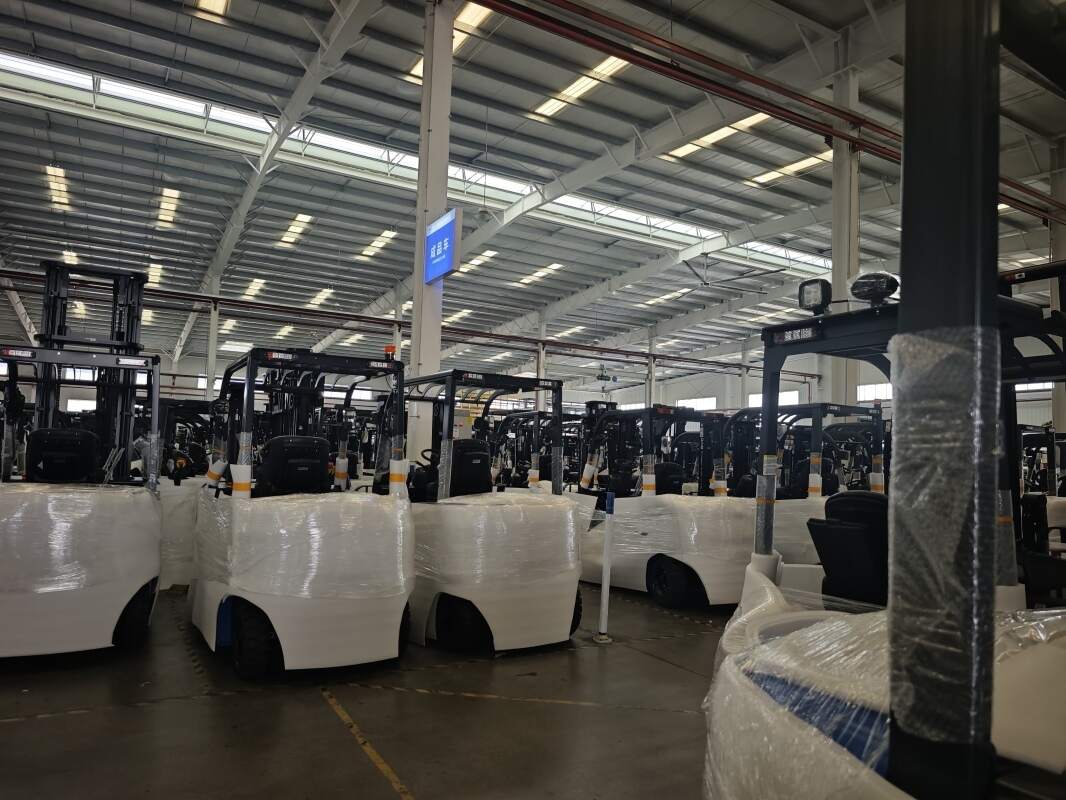
We are Jianxin New Energy, focusing on BYD electric forklift related supporting services. If you have any questions about electric forklift charging optimization and daily operation maintenance, you can send an email to [email protected] to obtain professional targeted guidance solutions, to help your team reduce the comprehensive use cost, extend the normal service life of the battery, and improve the overall operation efficiency of material handling.