
 English
 简体中文
简体中文 Русский
 Français
 Português
 لالعربية

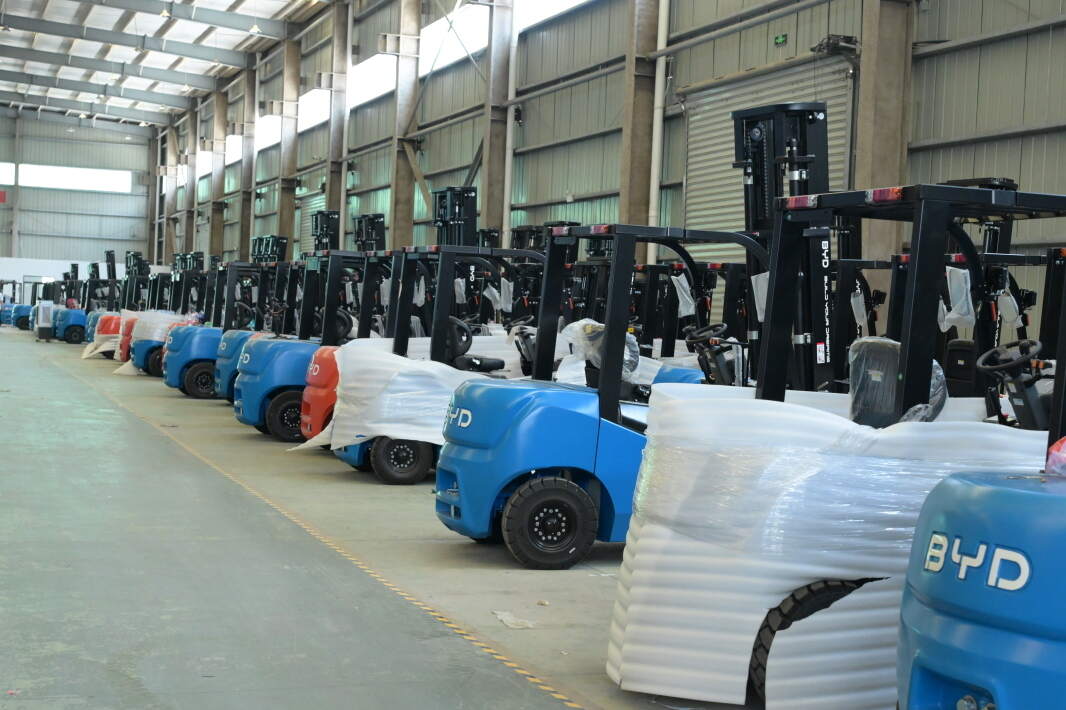
As the low-carbon development trend of industrial logistics continues to spread, electric forklifts have become one of the most widely applied material handling equipment in closed factory workshops, large storage warehouses and cold chain scenarios, for their characteristics of low noise, zero local emission and flexible operation. Mastering systematic operation and maintenance knowledge can help operators give full play to the advantages of such equipment, while avoiding unnecessary operation risks and component loss.
Core Operational Safety Specifications for Electric Forklifts
Operators need to complete formal pre-job training before official use of electric forklifts, and get familiar with the layout of core operating components including the steering wheel, load control lever, brake and power indicator. Before each startup, it is necessary to check the remaining power level, the normal tire pressure, and the flexibility of the lifting and tilting system, and confirm that there are no obstacles or unrelated personnel in the surrounding operating area. It is not recommended to operate the equipment with wet hands, and the loaded cargo weight should not exceed the rated load range specified in the equipment manual, to avoid the hidden risk of goods slipping or equipment tipping when turning or driving on sloped roads.
Routine Daily Maintenance Protocols to Extend Service Life
Different from internal combustion forklifts, electric forklifts take power battery packs and motor systems as core power output components, so their maintenance logic is different from traditional fuel-powered equipment. After each daily operation, operators can wipe away the dust and sundries attached to the equipment surface, check the battery interface for corrosion or loose connection, and arrange charging according to standard processes in the special designated charging area, to avoid long-term over-discharge of the battery. Users can arrange professional technicians regularly to check the wear degree of the walking motor, the lubrication state of transmission parts and the aging condition of the wiring harness, replace worn accessories in time, and record maintenance status to form a complete equipment use file.
Performance Optimization Strategies for Different Application Scenarios
For different use scenarios, users can adjust the matching operation habits of electric forklifts to get better use experience. For example, in narrow channel warehouses, operators can appropriately reduce the traveling speed to improve the operation accuracy when picking up and placing goods on high shelves; in low-temperature cold chain storage scenarios, users can preheat the power battery for a short time before operation, to reduce the battery activity loss caused by low temperature environment. Reasonable adjustment of use habits can further reduce the comprehensive use cost of the equipment, and improve the overall operation efficiency of the logistics link.


