
 English
 Русский
 Français
 Português
 Español
 لالعربية


For on-site industrial operation scenarios covering warehouses, freight yards, manufacturing workshops and distribution centers, mobile equipment speed management is one of the core measures to reduce safety accidents, protect personnel safety and avoid property losses. As frontline executors of equipment operation, operators’ correct cognition and standardized implementation of speed management rules directly determine the overall safety level of the operation area.
First, operators need to clearly distinguish the corresponding speed limits of different operation scenarios. For open and unobstructed main freight passages with no frequent personnel crossing, the set safe speed can be kept at a relatively reasonable level, but operators still need to keep alert to sudden situations. For personnel-intensive picking areas, narrow turning channels, loading and unloading aprons and areas with stacked goods occupying partial passages, operators need to actively reduce the driving speed in advance, and never accelerate for the sake of improving operation efficiency.
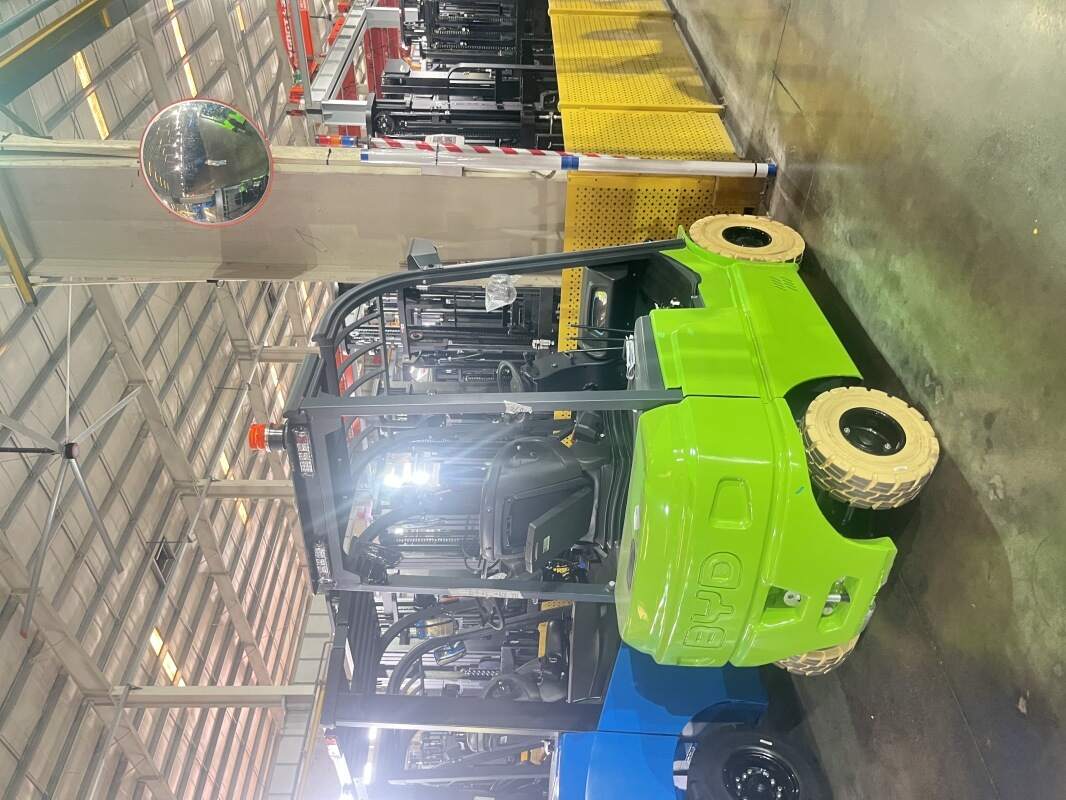
Second, operators need to master dynamic speed adjustment rules under special working conditions. When the equipment is in full load or heavy load handling state, the braking distance will be significantly extended compared with the no-load state, so operators need to reduce the driving speed accordingly to ensure that the equipment can stop stably within a safe distance. When the ground is wet and slippery, or the outdoor operation encounters rainy and snowy weather, the friction coefficient of the ground decreases, and operators need to further lower the driving speed to avoid sideslip or rollover risks.
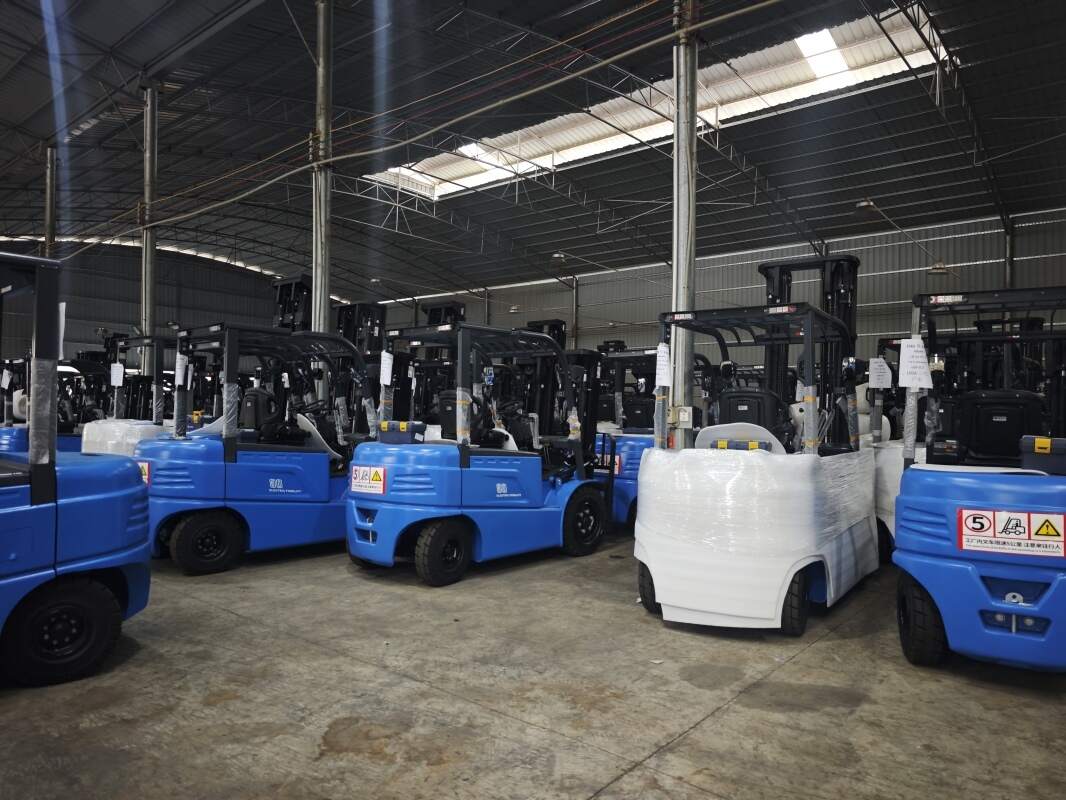
Third, operators should strictly abide by the equipment speed management specifications. It is not allowed to modify the power related parameters of the equipment without permission to break the factory default speed limit setting. When passing through intersections, blind areas and other areas with low visibility, operators should take the initiative to honk and decelerate, and confirm that there are no obstacles or passing personnel before passing. If operators find that the speed limit signs in the operation area are blurred or missing, they should report to the management department in time to complete the update and replacement.
As a professional service provider focusing on BYD electric forklifts, Jianshu New Energy is committed to providing standardized operation guidance and reliable supporting services for the majority of equipment operation teams. If you have relevant demands for mobile equipment operation management, you can send an email to [email protected] for consultation.


