
 English
 Русский
 Français
 Português
 Español
 لالعربية

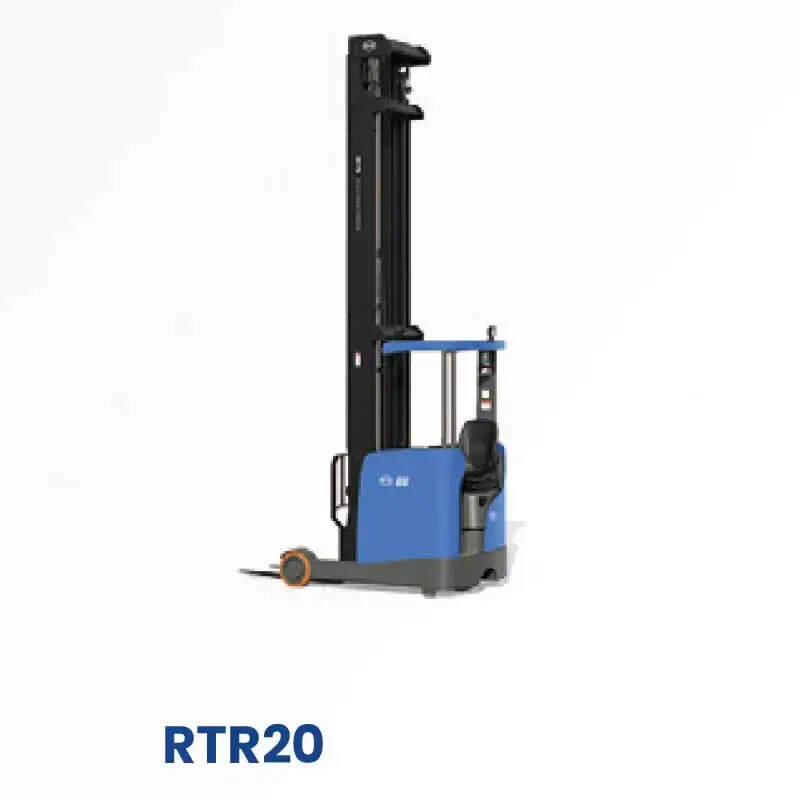
Against the general trend of low-carbon transformation in the industrial logistics sector, electric forklifts have gradually become one of the most widely used material handling equipment in closed working scenarios such as warehouses, distribution centers and manufacturing workshops. Compared with traditional internal combustion counterparts, such equipment features lower noise emission, no tail gas pollution, and relatively lower operating cost in long-term use, which matches the development demand of modern green logistics systems.
Core Application Scenario Characteristics of Electric Forklifts
Most electric forklift products are suitable for flat, well-paved indoor working environments, and they can also adapt to semi-outdoor scenarios with mild weather conditions after corresponding protection treatment. Operators need to confirm the load weight, lifting height limit and channel width of the working area before putting the equipment into use, to ensure the working parameters of the electric forklift can match the actual operation requirements, and avoid potential safety risks caused by mismatched parameters.
Standardized Daily Operation Specifications
Before starting the equipment every day, operators need to conduct a basic inspection covering the power system, braking performance, steering sensitivity and fork structure condition. It is not allowed to overload the goods beyond the rated load range during the operation process, and the driving speed should be adjusted according to the on-site personnel density and road condition of the working area. When the power level drops to the set warning value, operators should stop the operation in time and send the equipment to the designated charging area for supplementary power, to avoid sudden power failure in the working channel.
Routine Maintenance Suggestions
Regular cleaning of the dust and debris accumulated on the surface of the equipment and the heat dissipation structure can help maintain stable operation performance. The power battery pack should be inspected regularly for abnormal heating, shell damage and interface looseness, and professional personnel should be arranged for targeted treatment once hidden dangers are found. The lubrication treatment of rotating and connecting parts can be carried out according to the operation frequency specified in the product manual, which helps to reduce component wear and extend the overall service cycle of the equipment. Proper operation and maintenance habits can effectively help logistics teams give full play to the performance of electric forklifts and create more stable value for daily material handling work.


