
 English
 Русский
 Français
 Português
 Español
 لالعربية


Roll handling is a common operation scenario in industries including paper manufacturing, plastic film production, textile processing and metal coil logistics. Many warehouse operators often encounter various practical puzzles in the daily operation process. The following content gives clear and practical answers to frequently raised questions from frontline operation teams and warehouse managers.
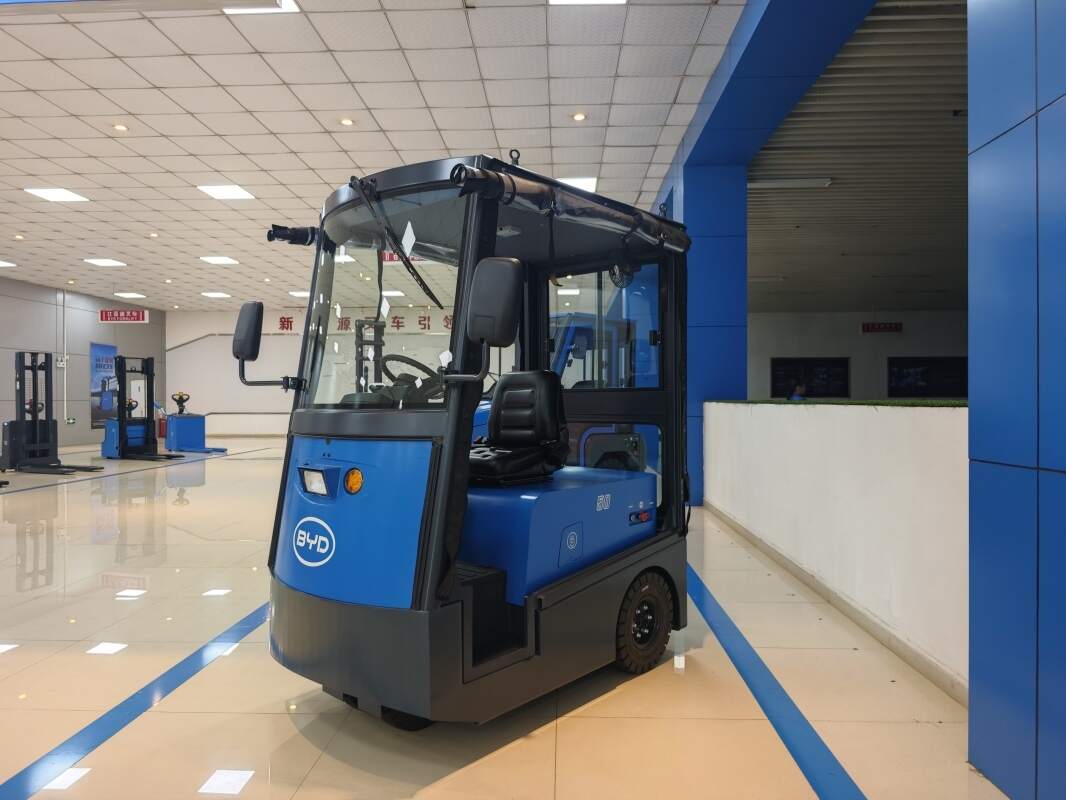
Q1: What kind of electric forklift configuration is suitable for regular roll handling work?
For regular roll handling scenarios, ordinary pallet forks are not the optimal choice, as they may easily cause local deformation or end damage to the roll materials. The electric forklift equipped with a dedicated roll clamp attachment is more appropriate, as the contact area of the clamp can be adjusted according to the outer diameter and surface material of the rolls, to properly reduce the unit pressure acting on the roll surface. As Jianshu New Energy, we focus on BYD electric forklifts, and can provide customers with customized attachment matching schemes for different load tonnage and roll diameter ranges, to meet diversified actual usage demands.
Q2: What key points should be followed to avoid roll slipping or deformation during handling?
First, operators need to adjust the clamping force of the attachment before each operation, to make sure the force is appropriate for the roll material: softer materials such as tissue paper rolls need relatively lower clamping pressure, while dense metal coils need higher and stable clamping force. Second, operators should avoid sharp acceleration and sudden braking during driving, keep the mast in vertical position when transporting the rolls, and do not tilt the mast forward at high speed. Third, it is not allowed to hang or drag the roll materials on the ground in any operation process, to prevent safety risks and unnecessary material loss.
Q3: What special maintenance items need to be noticed for electric forklifts used for roll handling?
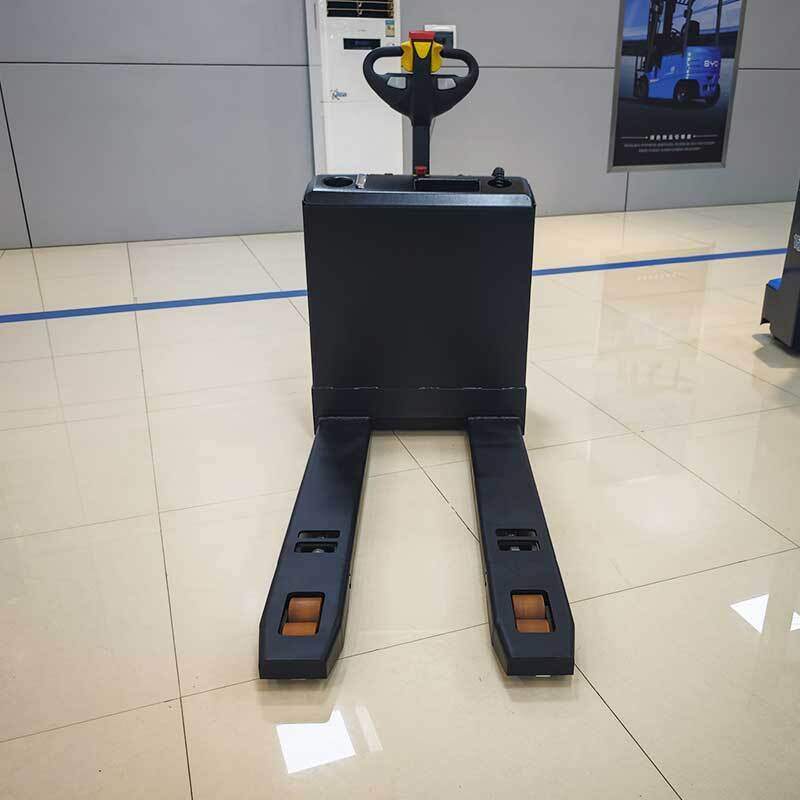
On the basis of conventional daily maintenance of electric forklifts, users need to regularly check the wear degree of the clamp contact surface, replace the anti-slip rubber pad in time if it is worn to a certain extent, and calibrate the hydraulic system pressure of the clamp every 3 months to avoid insufficient or excessive clamping force. In addition, operators should follow the standard battery charging and maintenance specifications of the electric forklift, avoid deep discharge and overcharge, to keep the whole vehicle in good running condition for long term.
If you have more personalized demands for roll handling solutions, or need professional technical guidance for electric forklift operation, you can send emails to [email protected] for further consultation. Our professional team will respond to your demands as soon as possible.


