English
 Русский
 Français
 Português
 Español
 لالعربية


For most manufacturing plants, smooth and efficient material handling operation is one of the core supports to maintain continuous production rhythm, and the selection of handling equipment directly affects operation cost, site utilization and even production safety.
Traditional internal combustion forklifts will produce continuous exhaust emissions during operation, which not only reduces the air quality in the closed or semi-closed production workshop, but also requires additional supporting exhaust gas treatment equipment to meet the environmental protection supervision requirements, which brings extra capital investment for the plant. The lead-acid forklifts once widely used also have many limitations in actual operation, including long charging time, frequent maintenance needs, and special independent charging rooms with acid mist protection functions, which will occupy a lot of available plant space.
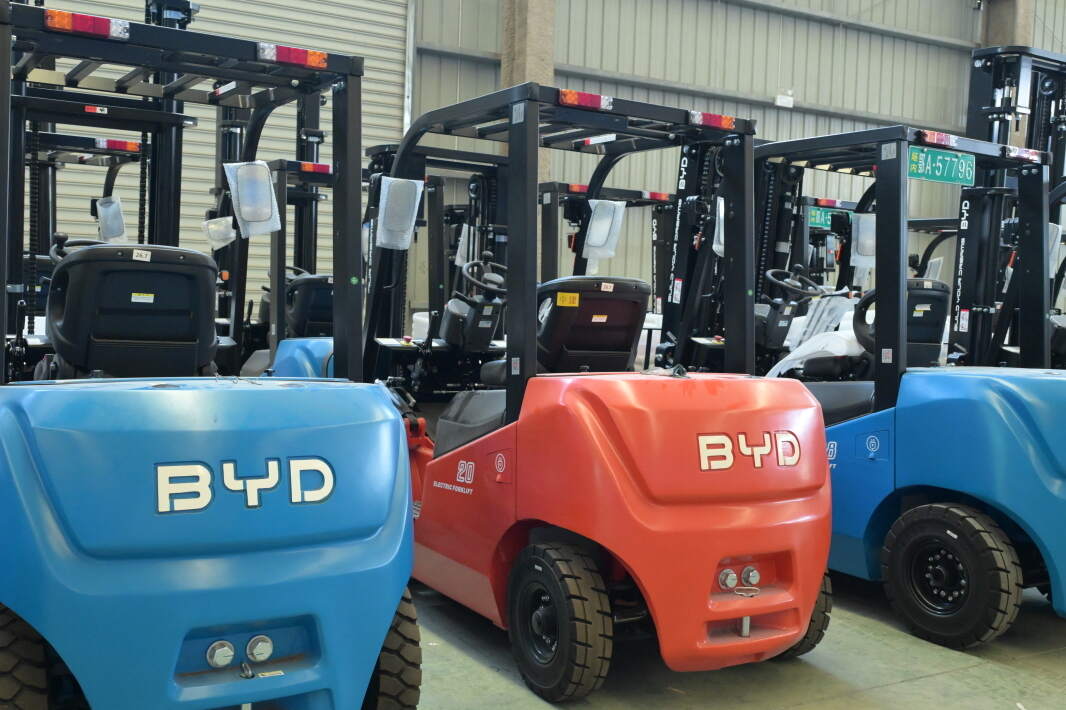
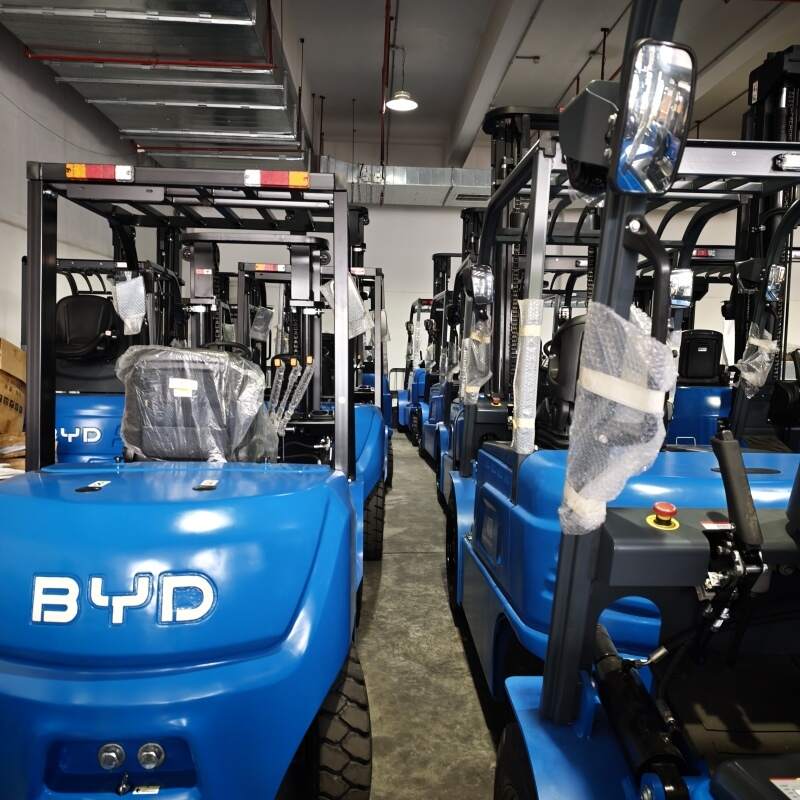
As a new type of handling equipment, lithium forklift can well solve the above pain points faced by manufacturing plants. First of all, it achieves zero emission in the whole operation process, no harmful gas will be discharged into the workshop, which can adapt to the production scenarios with high requirements for environmental cleanliness such as precision electronics, food processing and pharmaceutical manufacturing, and help enterprises easily meet the increasingly strict environmental protection regulations in the industry.
Secondly, the lithium forklift supports fast intermittent charging. The staff can fill enough power for the equipment during the short break of shift handover or meal break, no need to arrange a long time dedicated charging time, nor need to reserve redundant standby batteries for multi-shift continuous operation, which can greatly reduce the non-working waiting time of handling equipment, and effectively improve the overall operation efficiency of material transportation from raw material receiving, line side distribution to finished product warehousing.
In terms of long-term operating cost, the lithium forklift does not need the tedious regular maintenance operations such as adding distilled water, cleaning the electrode plate and acid mist collection, the daily maintenance difficulty and cost are much lower than that of internal combustion and lead-acid forklifts. The electric energy consumption cost per unit of operation is far lower than the fuel cost of internal combustion forklifts, which can bring considerable cost savings for manufacturing plants in the long term operation. At the same time, there is no risk of fuel leakage or electrolyte leakage in the operation process, which will not pollute the clean ground of the workshop, and reduce the hidden danger of production safety.
If your manufacturing plant is planning to upgrade the material handling system, Jian Shu New Energy, which focuses on BYD electric forklifts, can provide you with targeted handling solutions matching different working conditions. For more information, please send email to [email protected].