
 English
 Русский
 Français
 Português
 Español
 لالعربية

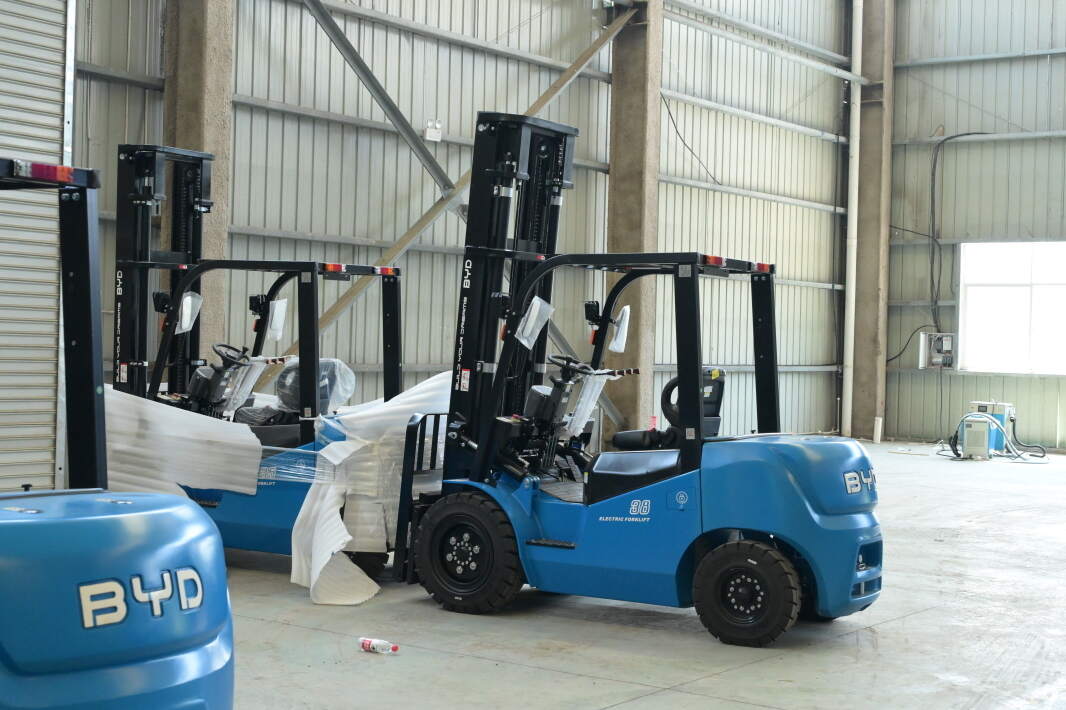
Stand-on electric pallet trucks are widely used in indoor and outdoor material handling scenarios, where bumpy surfaces such as old warehouse worn floors, loading area expansion joints, temporary yard gravel roads and uneven factory ramps are very common working conditions. The platform suspension system, which directly connects the operator standing platform to the main vehicle frame, plays a decisive role in riding comfort, operation safety and working efficiency, and its related parameters are worthy of full attention for both equipment managers and operators.
The first core parameter is suspension travel, which refers to the maximum allowable moving distance of the platform relative to the vehicle frame when the suspension system works. For conventional flat pavement use, the default travel can meet basic demands, but for frequent bumpy surface operations, it is necessary to reserve 15% to 20% of dynamic buffer redundancy on the basis of matching the rated load of the vehicle. Properly set suspension travel can avoid hard bottom collision caused by large pavement pits, and will not lead to excessive platform swing that affects the operation accuracy of fork alignment.
The second key parameter is damping coefficient, which determines the speed of vibration attenuation after the platform is impacted by uneven pavement. Reasonable damping parameter design can effectively absorb high-frequency small vibrations from gravel roads and joint gaps, avoid repeated bouncing of the platform, and greatly reduce the leg and muscle fatigue of operators during long-time continuous work. This parameter also helps the operator keep stable control of the vehicle running direction on bumpy sections.
The third important parameter is the stiffness matching of suspension elastic elements, which should be adjusted according to the common load range of the actual working scene. Well-matched stiffness can make the suspension system maintain the best working state no matter under no-load or full-load conditions, avoiding the problem of too soft platform suspension leading to shaking under no-load, or too hard suspension leading to almost no buffer effect under full load.
When selecting and using stand-on electric pallet trucks, users can check whether the suspension parameters match the actual pavement conditions, and carry out regular maintenance on suspension related components to keep them in good working condition. This will effectively reduce the risk of cargo slipping and damage, extend the overall service life of the vehicle, and create a safer and more reliable material handling environment.


