English
 Русский
 Français
 Português
 Español
 لالعربية


As the material handling industry accelerates its transition to low-carbon new energy solutions, both fuel cell forklifts and lithium-ion forklifts have become widely applied core equipment options for indoor and outdoor operation scenarios. Many fleet managers need to clarify the actual performance differences of the two technical routes to select the most cost-effective equipment matching their operation conditions.
For fuel cell forklifts, the most prominent advantage lies in its extremely short energy replenishment cycle. It usually takes only 3 to 5 minutes to complete the whole hydrogen refueling process, which will not cause long interruption to continuous operation, making it highly adaptable for 24-hour three-shift operation scenarios such as large port logistics yards and oversize distribution centers. In addition, fuel cell forklifts maintain relatively stable power output and driving range in low temperature environment, without obvious performance attenuation, so it fits well for cold chain storage and northern low-temperature operation sites. Its main disadvantages are reflected in supporting facility construction and usage cost. The deployment of hydrogen refueling facilities requires higher upfront investment and stricter site safety specifications, which is not friendly for small and medium-sized operation subjects with limited budget. The accessibility of hydrogen supply in non-industrial concentrated areas is also relatively lower than that of electric power resources.
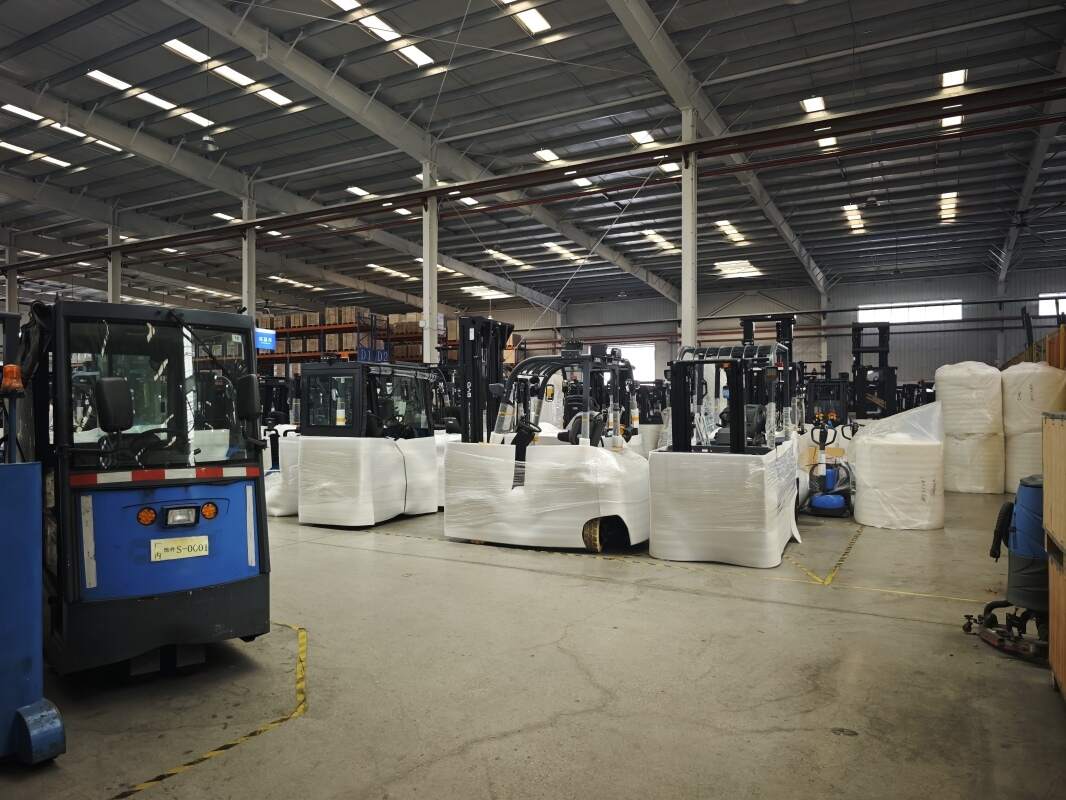
For lithium-ion forklifts, the biggest advantage comes from its mature supporting system and controllable whole lifecycle cost. The layout of charging piles has low access threshold, no special site transformation is needed for most ordinary factories and warehouses. The daily operation and maintenance difficulty of lithium-ion forklifts is relatively low, and the conventional logistics team can finish daily routine inspection and maintenance work without extra professional technical training. Its whole cycle usage cost is more stable, which can meet the operation demands of more than 90% of conventional material handling scenarios. The main disadvantages of lithium-ion forklifts are longer energy replenishment time. For continuous high-load operation, operators need to reserve special time for charging or battery replacement, which may affect operation efficiency when there is no standby battery configuration. For models without built-in temperature control system, the available driving range will decrease to a certain extent under extremely low temperature environment.
There is no absolute optimal technical route between the two types of forklifts, and enterprises can make reasonable choices according to their own operation intensity, site conditions and budget planning. Jianshu New Energy, focusing on high-quality electric forklifts, can provide targeted equipment matching suggestions for different operation scenarios. If you have relevant demand, you can send email to [email protected] to get professional custom solutions.