
 English
 Русский
 Français
 Português
 Español
 لالعربية

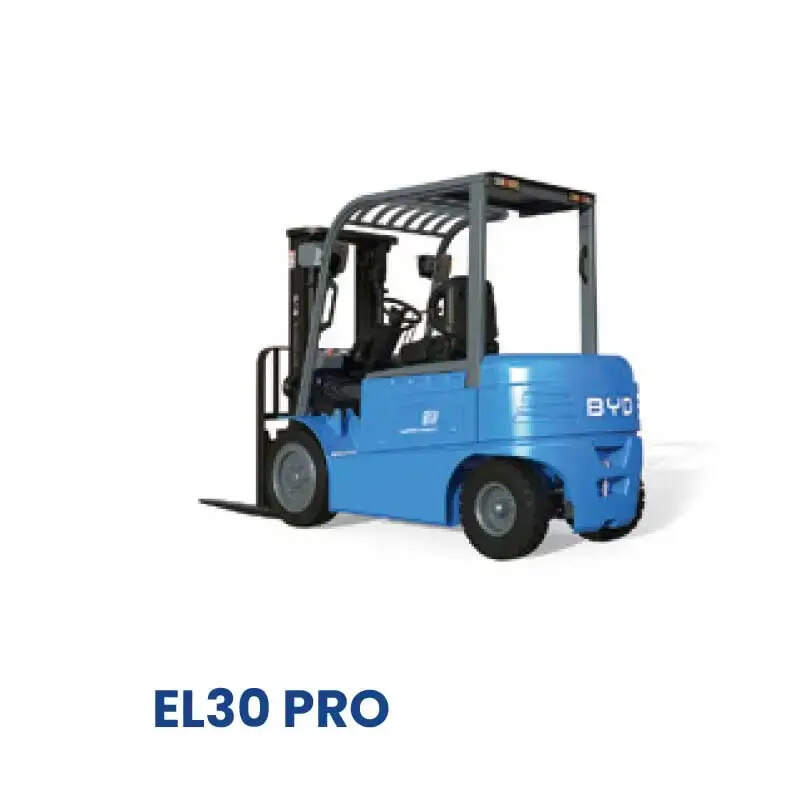
For logistics operation managers and forklift fleet maintainers, selecting suitable supporting attachment tools for electric counterbalance forklifts is a core step to expand the multi-scenario application capability of equipment, and dimension matching is the core prerequisite to ensure stable installation and safe operation. Many daily operation faults, such as loose attachment connection, unsmooth lifting movement, and goods slipping off in operation, are caused by incomplete dimension check before purchasing new attachments. The systematic dimension-matching checklist below covers all core verification links, which can help relevant personnel complete full inspection in order without missing key indicators.
First part: Original vehicle connection structure dimension verification
The first step of the check starts from the connection structure between the attachment and the original forklift. Users need to measure the transverse width of the original fork carriage of the electric counterbalance forklift first, and confirm that the mounting support width of the selected attachment can fully fit the carriage installation area, without obvious unilateral position deviation. Then check the position and spacing of the prefabricated positioning holes on the attachment hanging rack, to make sure they are completely aligned with the reserved installation holes on the original fork carriage, no extra forced drilling or cutting modification is needed after on-site delivery. Users also need to measure the maximum height of the attachment under the non-operating folded state, to ensure that the size does not exceed the reserved clearance on the upper part of the mast when the mast of the electric forklift is at the lowest position, so as to avoid scraping or collision between the attachment and the inner wall of the mast during the subsequent lifting and descending process.
Second part: Load bearing interface dimension check
After confirming the connection dimension between the attachment and the forklift, users need to check the dimension parameters of the load bearing interface of the targeted attachment. For fork-type attachments, measure the internal width of the load-bearing sliding sleeve, confirm that it can be smoothly sleeved on the original fork body, without excessive clearance that causes lateral slip, or too tight that causes jamming during position adjustment. For special attachments such as barrel clamps or paper roll clamps, verify the maximum and minimum opening range of the clamping jaw, make sure the size range can cover the outer diameter of all the to-be-handled goods in daily work. It is also necessary to confirm the forward extension dimension of the load bearing surface of the attachment, to ensure that the size does not exceed the rated load center distance specified on the nameplate of the electric counterbalance forklift, which can keep the operation stability within the safe range.
Third part: Site operation scenario dimension adaptation
The last core check link is the dimension matching between the installed whole set of equipment and the existing operation site. After the attachment is installed in place, measure the maximum overall width of the whole vehicle, the total height when the mast rises to the maximum position, and the incremental value of the minimum turning radius, confirm that all these parameters can adapt to the existing passage width, shelf layer clear height, and warehouse door passage size of the operation site. Users also need to check the reserved length of the connecting hydraulic pipeline or circuit pipeline of the attachment, to make sure the pipeline can move freely with the mast during the whole lifting and descending stroke, no tension or pulling damage will occur in frequent operation scenarios. After all the above dimension check items are completed, users can carry out proper no-load operation test, confirm that all movements are smooth and no abnormal jamming occurs, then the attachment can be put into formal daily use gradually.


