
 English
 简体中文
 Русский
 Français
 Português
 Español


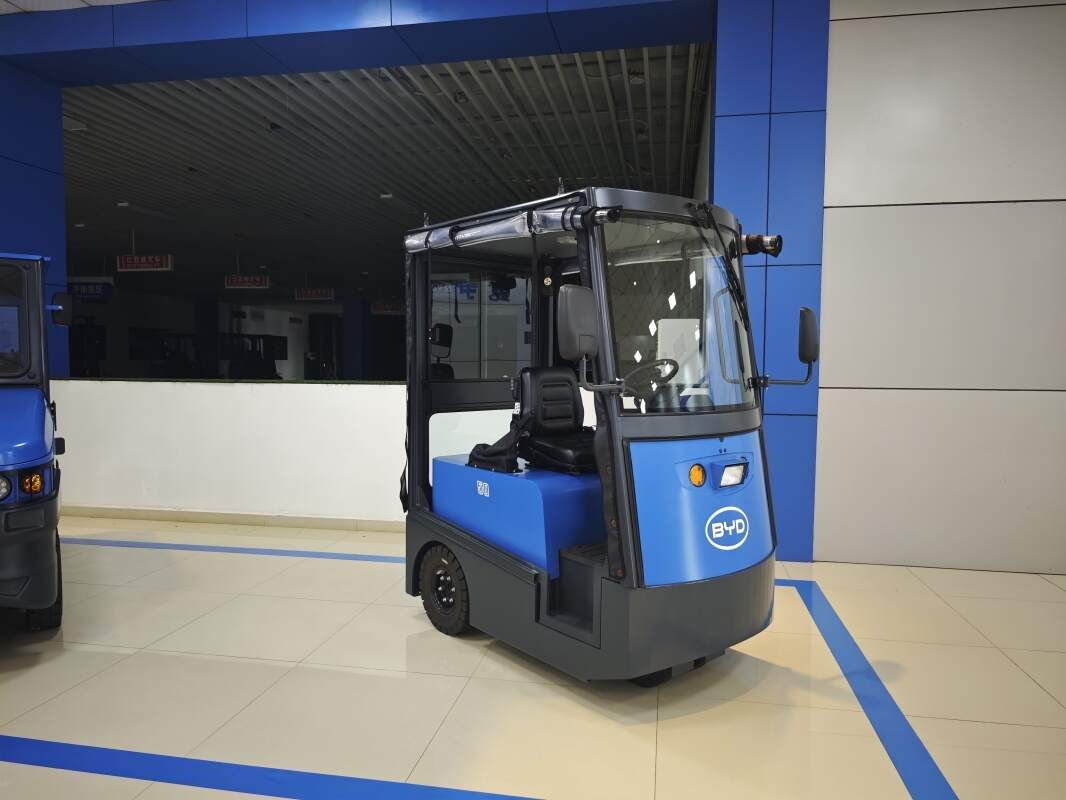
electric forklift has become one of the most widely used material handling equipment in modern logistics, manufacturing and distribution storage scenarios for its low noise, zero on-site emission and relatively low long-term operation cost. Mastering standardized use logic and maintenance rules can help operators give full play to the performance of the equipment while reducing potential safety risks in daily work.
Core Standard Operation Specifications
Before starting each shift, operators need to complete pre-operation inspection first, including checking the remaining power level, brake response sensitivity, tire condition, and the wear degree of fork surface and hook structure. Do not carry out formal handling operations until all indicators are confirmed to be in normal state. During the operation process, avoid overloading beyond the rated load range, do not make sharp turns on sloped roads with gradient exceeding the specified value, and no other unrelated personnel are allowed to take the equipment during driving. If the loaded cargo blocks the front view of the operator, it is recommended to drive slowly in reverse direction, and arrange special personnel to guide the operation when working in crowded warehouse areas to avoid collision with surrounding shelves or passing personnel.
Routine Maintenance and Daily Care Tips
After finishing each day’s operation, operators need to wipe off the dust, cargo residue and oil stain attached to the body surface in time, check whether the battery connection port has oxidation or looseness, and confirm that the vent of the power unit is unobstructed. For the hydraulic lifting system, users should check the oil level condition according to the specified cycle, and replenish the qualified hydraulic oil in time when the level is lower than the standard line. If the equipment needs to be parked for a long time without use, it should be placed in a dry, ventilated and cool indoor area, and complete a regular charge every certain period to avoid excessive power loss that affects the service life of the power unit.
Scenario Adaptation and Efficiency Optimization Suggestions
Different application scenarios have different requirements for the performance of electric forklifts. For narrow channel high-density storage scenarios, operators can adjust the running speed appropriately to match the small turning radius design of the equipment, so as to improve the access efficiency of high-position goods. For heavy load handling scenarios, arrange the rest period of the equipment reasonably to avoid long-time continuous full-load operation that causes excessive wear of the power system. Regularly organize targeted skill training for operators can also effectively reduce the generation of invalid operation links, and help the whole warehouse material handling system to maintain a relatively stable operation state for a long time.


