
 English
 简体中文
 Русский
 Français
 Português
 Español


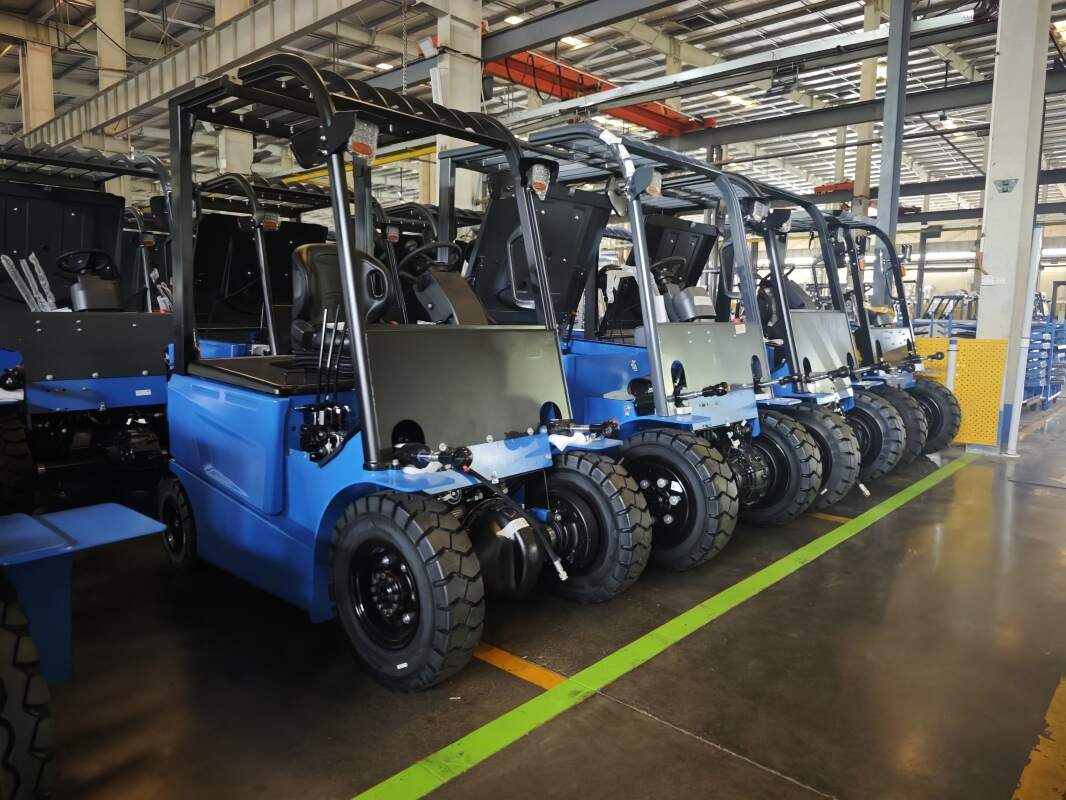
Against the background of growing low-carbon demand in the global logistics sector, electric forklifts have gradually become a mainstream choice for indoor and outdoor material handling scenarios, replacing a large share of traditional internal combustion handling equipment in recent years. For frontline operators and warehouse managers, systematic mastery of relevant professional knowledge helps maximize equipment value while reducing unnecessary operating risks.
Core Advantages of Modern Electric Forklifts
Unlike equipment powered by fossil fuels, most mature electric forklift products generate almost zero local exhaust emissions during the working process, which can effectively improve the air quality of closed working spaces such as indoor warehouses and cold storage areas. The overall noise level during operation is also significantly lower, which reduces long-term noise interference for on-site staff and meets the health protection requirements of occupational safety regulations. The energy cost per unit operation is also relatively lower compared to traditional fuel-powered models, creating more controllable expense arrangements for long-term operation teams.
Necessary Daily Maintenance Practices
Routine inspection work before each shift does not require complex professional operations, and operators can complete basic checks within 5 to 10 minutes. The core inspection items include the remaining battery level, the flexibility of the lifting and steering system, the sensitivity of the braking mechanism, and the surface condition of the load-bearing forks. After the daily operation is completed, staff should park the equipment in the designated parking area, lower the load forks to a horizontal position close to the ground, and turn off the power supply according to the standard process. Regular professional inspection and maintenance arranged at a specified cycle can effectively avoid sudden equipment failures during peak operation periods, and extend the overall service life of the equipment to a large extent.
Scenario Adaptation and Operation Optimization
When selecting and using electric forklifts, teams can match the corresponding load capacity, lifting height and tire type according to the actual operation scenarios. For example, equipment used in flat and dry indoor warehouses can choose relatively lightweight models to improve the flexibility of passing through narrow aisles, while models used for outdoor port or yard operation need to consider the protection level of the power system and the adaptability of tires to uneven road surfaces. Operators should receive systematic pre-job training before taking up the post, strictly follow the operating specifications to avoid overloading or improper high-speed steering operation, so as to maintain a stable and efficient material handling rhythm for the whole site. As supporting industrial infrastructure continues to improve, the application scope of electric forklifts will be further expanded in more segmented logistics scenarios, bringing more practical value to the whole material handling industry.


