
 English
 简体中文
 Русский
 Français
 Português
 Español


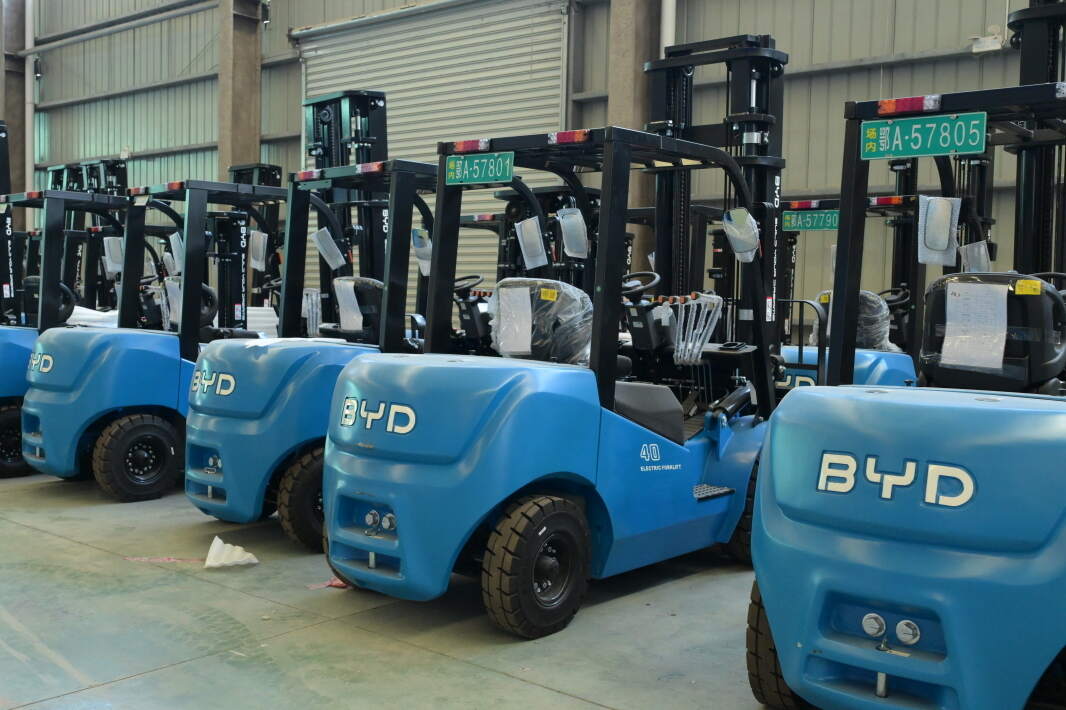
As the low-carbon logistics industry develops rapidly across the world, electric forklifts have become one of the most widely applied material handling equipment in indoor and closed operation scenarios, and mastering systematic professional knowledge of such equipment can help relevant practitioners optimize operation flow effectively.
Core Performance Characteristics of Modern Electric Forklifts
Compared with internal combustion counterparts, modern electric forklifts mainly rely on electric power drive systems to complete all operation actions, with no exhaust emission during the whole working process. Most models are designed with low-noise operation modules, which can meet the strict environmental protection requirements of closed scenarios such as food processing workshops, pharmaceutical storage centers and cold chain warehouses. The whole structure usually has fewer moving friction parts, so the overall operation vibration level is relatively low, which can effectively reduce the long-term operation fatigue of operators.
Standard Operation and Daily Maintenance Points
For daily operation, operators need to complete pre-use check including power status confirmation, brake sensitivity test, and fork structure integrity inspection before starting the equipment every shift. It is not recommended to operate the equipment beyond the rated load range for a long time, and the running speed should be adjusted dynamically according to the on-site operation environment and personnel distribution. For daily maintenance, operators need to clean the dust and accumulated sundries on the surface of power system and driving components regularly, check the cable connection status every 100 working hours, and complete the standardized charging process in strict accordance with the specification requirements, to extend the whole service life of the equipment.
Scenario Adaptation and Efficiency Promotion Suggestions
When selecting and deploying electric forklifts, relevant personnel can match the corresponding parameters of driving wheel anti-slip performance, mast lifting height and load weight according to the actual site road condition, storage shelf height and daily average handling volume. For long-time continuous operation scenarios, it is recommended to arrange reasonable power supplement plan in the operation gap, to avoid unexpected equipment shutdown that affects the whole operation rhythm. By adjusting the operation route planning reasonably, the moving distance of each handling cycle can be shortened properly, so as to improve the overall unit handling efficiency of the whole warehouse.


