
 English
 简体中文
 Русский
 Français
 Português
 Español


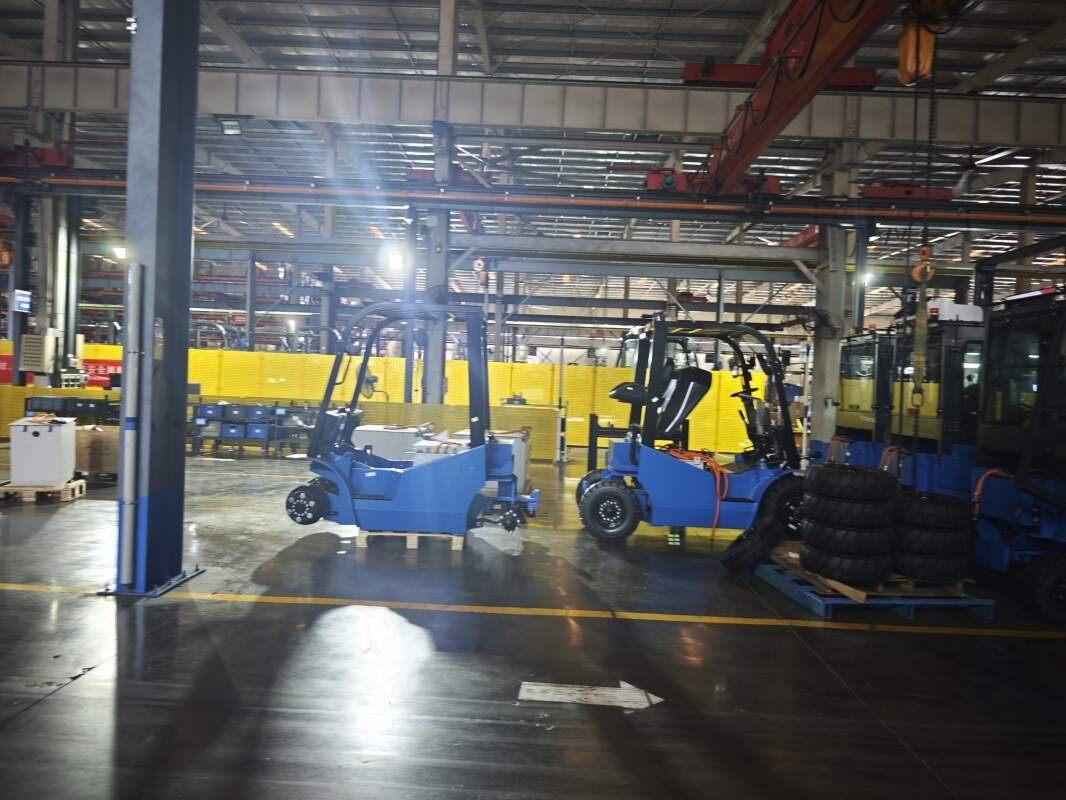
As the low-carbon logistics trend continues to expand across the global warehousing industry, electric forklifts have become one of the most widely used material handling equipment for indoor and low-emission operation scenarios. Understanding the correct usage logic and management rules of this kind of equipment can help operators give full play to its functional value in daily work.
Core Functional Advantages of Electric Forklifts
Different from internal combustion counterparts, electric forklifts rely on rechargeable power modules to provide power output, which produces almost no exhaust gas during operation, making them more suitable for closed indoor warehouse environments with high air quality requirements. The overall operation noise of such equipment is also controlled at a relatively low level, which can reduce noise interference to surrounding staff and adjacent working areas in the continuous high-intensity working state. It also does not need to reserve special fuel storage and supply areas inside the warehouse, which saves part of the space management cost for the operation party.
Standardized Operational Best Practices
Before starting the equipment for daily work, operators need to check the remaining power level of the power module first, confirm that the braking system and lifting mechanism can respond sensitively, and adjust the operation reference parameters according to the weight of the goods to be handled on the day. During the moving process, operators need to keep the goods at a reasonable low position to avoid the risk of cargo falling, and control the driving speed according to the road condition of the operation area, especially in the turning and pedestrian crossing areas of the warehouse, slow down in advance and give reminder signals properly.
Daily Maintenance Specifications
After the daily work is completed, operators need to wipe the shell of the equipment, clean up the sundries stuck in the wheel gap and the surface of the power heat dissipation module, and supplement the power according to the remaining power level to ensure that the equipment can meet the operation demand of the next working shift. Regularly check the wear degree of the tire surface, the sensitivity of the hydraulic system, and the tightness of the connecting fasteners, and arrange for professional personnel to deal with the abnormal situation found in the inspection in time, so as to avoid small problems evolving into larger faults that affect the operation schedule.
Necessary Safety Operation Reminders
All operators need to receive professional operation training before taking up the post, and do not operate the equipment beyond the specified load range for a long time. When the equipment is running in the narrow shelf aisle, pay close attention to the surrounding obstacles to avoid collision with the shelf structure. Following these basic operation rules can effectively reduce the failure rate of the equipment and create a safer working environment for the whole warehousing operation.


