
 English
 简体中文
 Русский
 Français
 Português
 Español


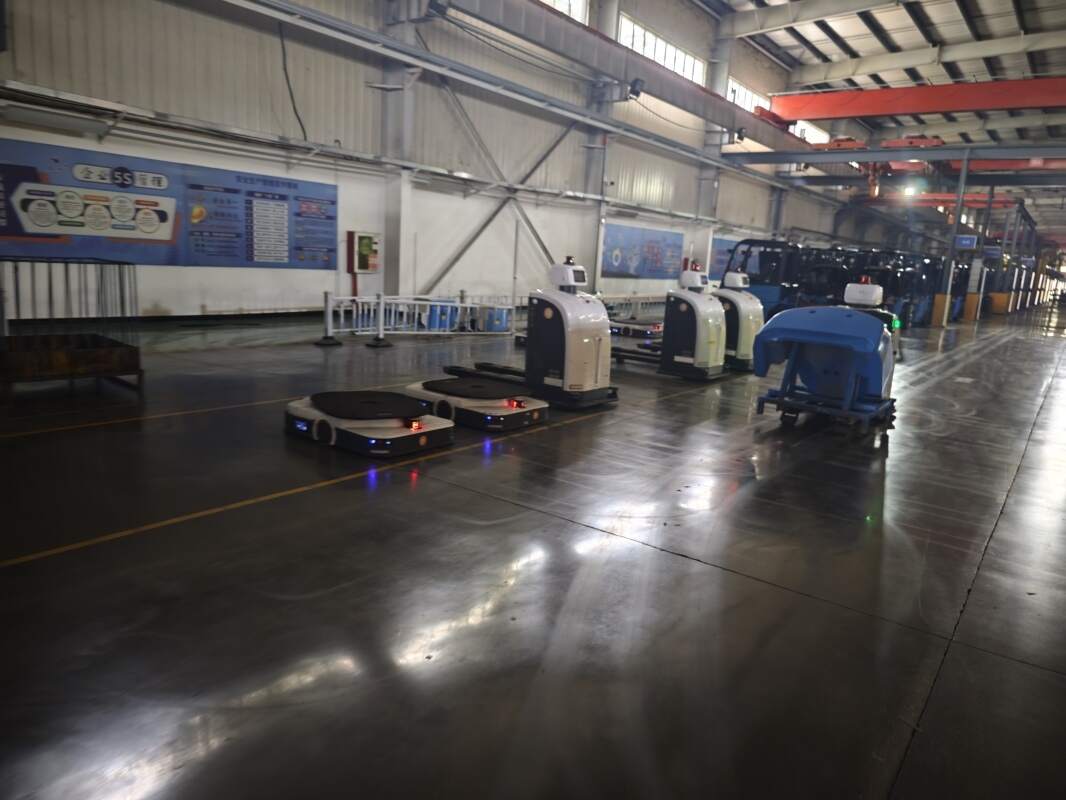
With the continuous growth of low-carbon logistics demand, electric forklifts have become one of the most widely applied material handling equipment in modern warehousing, manufacturing and distribution scenarios. This guide breaks down practical, field-verified knowledge for both new operators and logistics managers to maximize the comprehensive value of the equipment.
Core Advantages of Modern Electric Forklifts
Unlike traditional internal combustion counterparts, electric forklifts run on stored battery power, producing no tailpipe emissions during operation, which makes them suitable for enclosed indoor spaces such as food processing workshops, cold storage facilities and retail distribution centers. Their operational noise level is far lower than fuel-powered models, which helps reduce noise pollution in densely arranged warehouse areas, and creates a more comfortable working environment for on-site staff. The energy consumption cost per working hour is also relatively lower compared with fuel consumption of internal combustion equipment, which helps control long-term operational expenditure for logistics teams without extra environmental protection investment for exhaust treatment.
Standard Operational Guidelines for Daily Use
Before starting each shift, operators need to conduct a basic check on the brake system, lifting mechanism, tire condition and remaining power level of the equipment, to eliminate potential hidden risks before formal operation. During the operation process, operators need to keep the load center within the specified range matching the load weight, avoid overloading beyond the rated capacity of the equipment, and slow down when turning or passing through narrow aisles to prevent collision with surrounding shelves or stacked goods. When the equipment is running with loads at a height higher than 300mm, operators should keep the traveling speed at a low level to avoid goods slipping off the forks accidentally. After the daily operation ends, operators should park the equipment at the designated charging area, lower the forks to the lowest position, and cut off the main power supply before leaving the operation site.
Routine Maintenance Tips to Extend Service Life
The battery pack is the core component of electric forklifts, users need to follow the specified charging rules, avoid full discharge for long time, and keep the surface of the battery pack clean and dry to prevent short circuit caused by accumulated dust or water stains. It is also recommended to arrange regular professional inspections on the motor, controller and hydraulic system every 3 to 6 months, to replace worn lubricating oil and vulnerable parts in time, which can effectively reduce unexpected downtime in peak logistics periods. Regular maintenance according to official specifications can help the equipment maintain stable performance for a longer period, and reduce unnecessary additional cost for repair and part replacement. Mastering these basic practical knowledge points can help logistics teams give full play to the performance of electric forklifts, improve the overall efficiency of internal material handling, and create higher value for daily logistics operations.


