
 English
 简体中文
 Русский
 Français
 Português
 Español


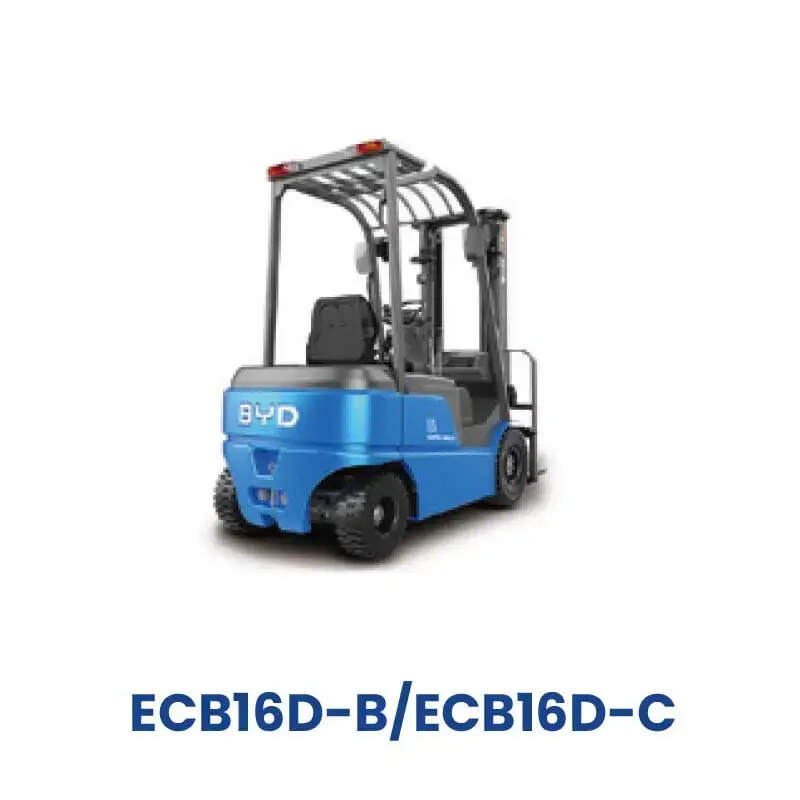
As low-carbon logistics and refined warehouse management concepts gain wider popularity across industrial sectors, electric forklifts have become one of the most widely used material handling tools for operation sites of different scales. Many new operators still lack systematic practical knowledge for proper use and maintenance of such equipment, which easily leads to unnecessary operating cost rise and unplanned downtime.
Core Performance Features of Electric Forklifts
They rely on rechargeable battery packs as the core power source, with no exhaust emission during working process, which fits the environmental protection requirements of enclosed operation sites such as indoor warehouses, food processing workshops and pharmaceutical storage areas. The overall noise level during operation is far lower than internal combustion counterparts, which can effectively reduce noise interference for on-site staff, and improve the overall working comfort for long shift operations. The power output curve of electric drive system is more stable, which offers smoother operation experience during frequent start-stop, steering and cargo lifting processes, reducing the risk of accidental cargo drop caused by unstable power output.
Standard Daily Operation and Maintenance Points
Before starting each shift, operators need to check the remaining battery power, the wear condition of tire surface, the flexibility of lifting mechanism and the effectiveness of braking system first, to rule out hidden risks in advance. After finishing daily operation, staff should park the equipment in the designated ventilation and dry area, turn off all power systems properly, and charge the battery according to official specifications to avoid over-discharge or over-charge situations. Operators can arrange regular professional inspection for key components such as electric motor, controller and hydraulic system every certain working hours, to replace worn spare parts in time and keep the equipment in good working condition, extending its whole service life reasonably.
Scenario Matching Tips to Improve Operation Efficiency
For narrow aisle warehouse scenarios, operators can confirm corresponding body size and load capacity parameters according to the actual channel width and maximum cargo weight, to avoid improper model selection that limits moving flexibility. For long time continuous operation scenarios, it is recommended to arrange reasonable battery swapping plan or mid-shift charging arrangement, to reduce waiting time during peak operation hours. Operators can also combine the actual cargo sorting route to adjust the movement path of electric forklift, to reduce unnecessary repeated driving actions and raise the overall operation efficiency of the whole warehouse.


