
 English
 简体中文
 Русский
 Français
 Português
 Español


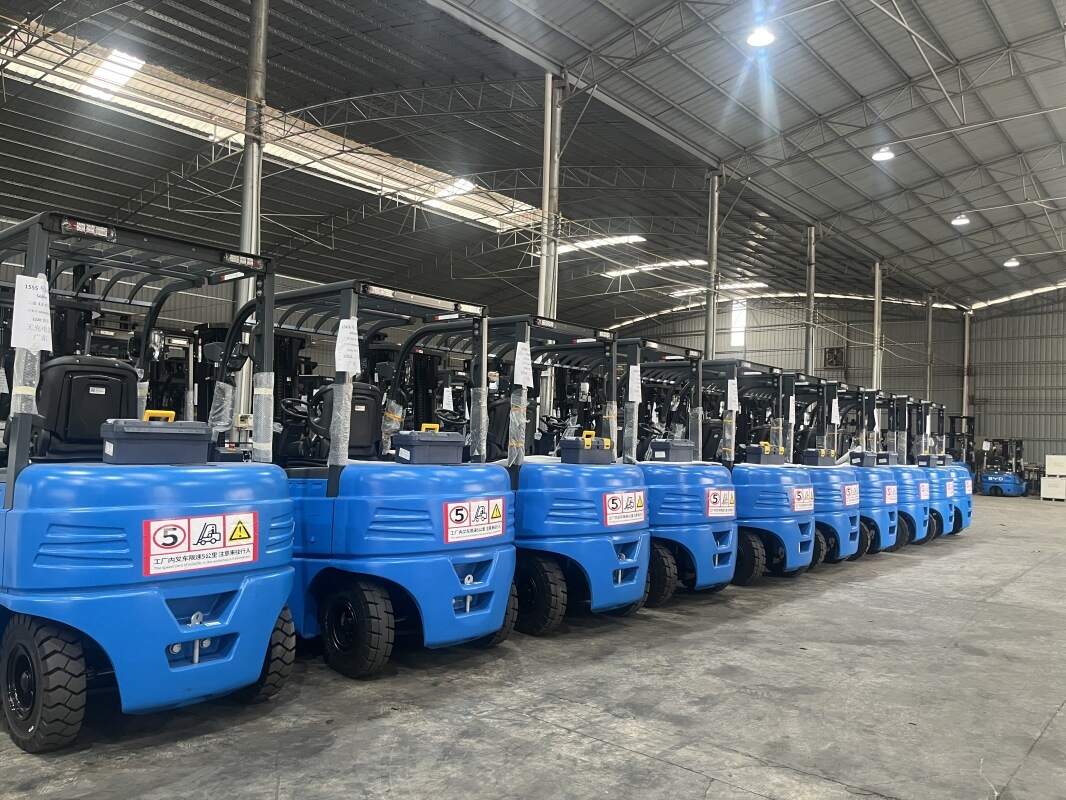
As one of the most widely used core material handling equipment in modern logistics and industrial storage scenarios, electric forklifts have gained growing popularity among different operation teams in recent years, with the continuous optimization of industrial low-carbon transformation requirements. Mastering correct use and maintenance methods can help teams give full play to the equipment’s performance while reducing unnecessary operation risks.
Core Performance Advantages of Electric Forklifts
Different from traditional fuel-powered handling equipment, modern electric forklifts produce no local exhaust emissions during operation, which fully meets the environmental control requirements of closed indoor storage spaces, especially those for food, pharmaceutical and electronic component storage that have strict air quality standards. The whole machine runs with low noise and low vibration, which effectively reduces the long-term fatigue of on-site operators, and the sensitive and smooth power output also makes the handling operation of high-value fragile goods more controllable. Most electric forklift models have compact body design, which can adapt to narrow operation channels in dense shelf layout scenarios, and will not produce extra pungent odor that affects the indoor working environment.
Standardized Daily Operation Specifications
Before each shift, operators need to complete a full pre-operation check, covering the remaining battery level, brake system sensitivity, lifting structure tightness and the integrity of safety warning components. During the operation process, operators should strictly follow the load limit marked on the equipment, keep a safe distance from surrounding personnel and shelf structures, and drive at the restricted speed in the operation channel. It is not allowed to carry non-working personnel on the equipment or lift goods beyond the specified height limit without permission. When working on gentle slopes, the operator should keep the load facing uphill to avoid slipping risks, and never turn the equipment on the slope to avoid side tilting risks.
Effective Routine Maintenance Guidelines
To extend the service life of the equipment and reduce long-term operation cost, the operation team needs to arrange regular maintenance work according to the official specification. For the power battery pack, operators should clean the electrode connection parts regularly to avoid dust accumulation, and avoid overcharging or full power depletion for a long time. The hydraulic oil circuit system needs to be checked periodically for possible leakage, and the wear degree of solid tires should be monitored every week. All electrical connection ports need to be treated with dustproof and waterproof protection regularly, and non-professionals should not disassemble the original circuit structure without guidance. Following the above operation and maintenance rules can help the electric forklift maintain stable working condition for a long time, and create higher value for the whole warehouse material handling system.


