
 English
 简体中文
 Русский
 Français
 Português
 Español


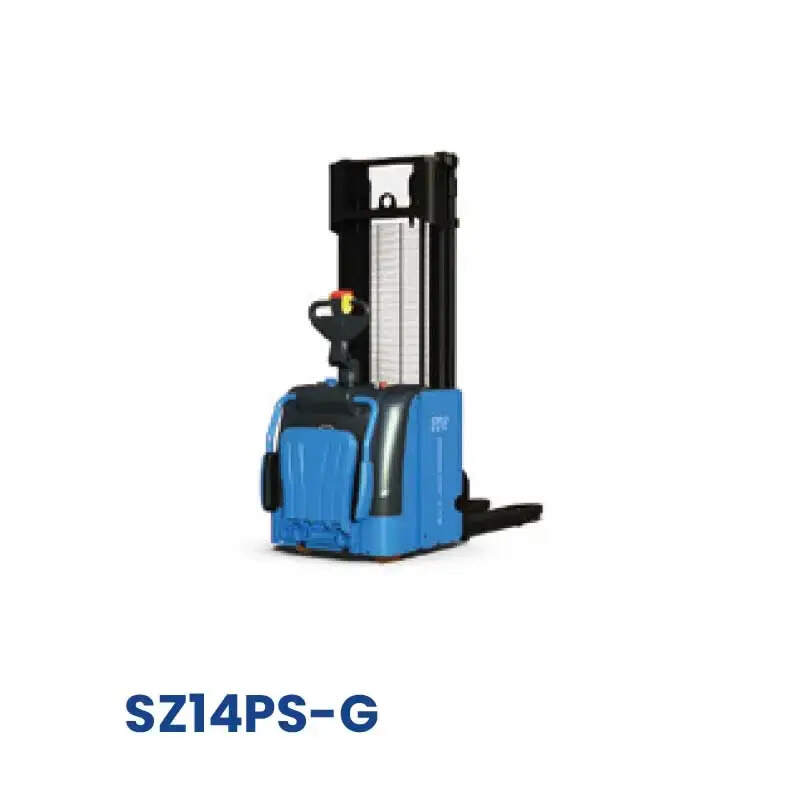
In recent years, electric forklifts have been widely adopted in various industrial material handling scenarios, covering general warehouses, distribution centers, light manufacturing workshops and cold storage environments. Compared with internal combustion powered handling equipment, electric forklifts present prominent advantages including low noise emission, zero on-site exhaust, and lower long-term operation cost, which fit the development trend of green logistics and low-carbon industrial production. To help operation teams give full play to the performance of electric forklifts and ensure long-term stable operation, the following professional practical knowledge is sorted out for reference.
Core Standard Operation Specifications for Daily Use
Before each formal operation, the staff should conduct a short pre-inspection process, which includes checking the remaining battery level, testing the flexibility of the brake system and lifting hydraulic components, and confirming the normal operation of the warning light and horn device. Operators should receive standardized professional training before taking up the post, strictly follow the rated load parameter of the equipment during operation, avoid overloading which may cause extra loss of the hydraulic system and hidden safety risks. When turning or driving in narrow aisle areas, operators should reduce the driving speed in advance, pay continuous attention to surrounding pedestrians and stacked goods, and avoid sharp steering at high speed. After finishing each shift operation, the staff should turn off the main power supply of the equipment, park the forklift in the designated area, and lower the lifting fork to fit close to the ground.
Routine Maintenance Points to Extend Equipment Service Life
Daily maintenance work does not require complex professional skills, and regular standardized inspection can effectively reduce the failure rate of the equipment. After each day of operation, operators can wipe the surface of the equipment and clean up the accumulated dust and scattered residual sundries in the gap of the body frame, to avoid sundries entering into the moving parts and causing abnormal abrasion. The connection points of the power battery should be checked regularly, and the slight oxide layer on the surface of the joint should be removed in time to keep the conductive state stable. The liquid level of the hydraulic oil should be maintained within the standard specified range, and the wear degree of the solid tire or pneumatic tire should be checked every week, if abnormal partial wear is found, the operation habit of frequent sudden steering on uneven road surface should be adjusted timely.
Energy Efficiency Optimization Suggestions for Long Term Operation
To reduce the overall energy consumption in the whole operation cycle, the on-site management team can reasonably plan the driving route of electric forklifts according to the distribution of goods storage points, reduce unnecessary repeated driving and empty running distance. Operators should keep stable driving speed in normal operation, avoid frequent sudden acceleration and sudden deceleration, which can effectively reduce the extra power consumption and prolong the single battery life. When charging the equipment, it is necessary to choose a dry and ventilated charging area that meets the safety specifications, avoid long-time charging in extreme high temperature or low temperature environment, which can protect the battery performance effectively. When the equipment is not used for a long time, it should be parked in a closed and dry area, to avoid long-term exposure to rain or strong sun radiation which may cause aging of the circuit components. Standardized operation and scientific daily management can help electric forklifts maintain stable working condition for a long time, and continuously improve the overall efficiency of on-site material handling work.


