
 English
 简体中文
 Русский
 Français
 Português
 Español


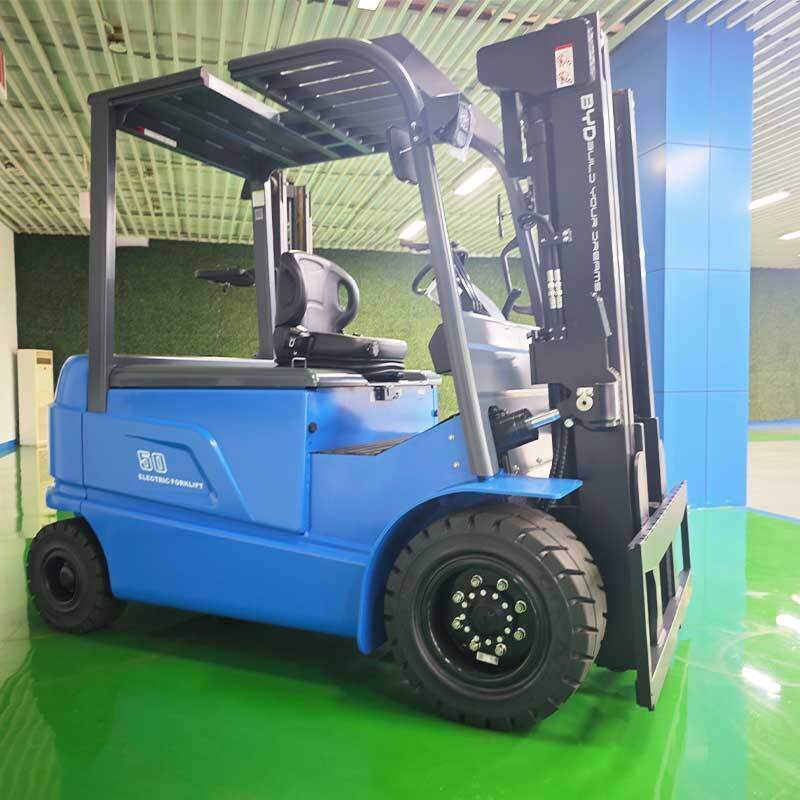
As more logistics and warehouse sites choose electric forklifts as core material handling equipment, mastering standardized usage logic and management methods can help teams give full play to the equipment’s inherent advantages in low noise, zero local emission and stable output, and create higher value for daily material handling tasks.
Core Operation Specifications for Safe Daily Use
Before each startup, operators need to check the remaining power level, brake sensitivity, tyre condition and fork deformation status, to rule out hidden risks that may affect normal operation. During the operation process, operators need to keep the load center within the safe range specified by the equipment parameter, avoid sudden acceleration or sharp steering when carrying heavy loads, and never allow personnel to stand on the fork or lift items above the head of surrounding staff. When the operation task is completed, the equipment should be parked in the designated area, the fork should be lowered to contact the ground, and the power supply should be cut off properly.
Routine Maintenance Tips to Extend Service Life
Regular daily cleaning of the equipment body, especially the dust and debris accumulated on the motor heat dissipation structure and battery surface, can avoid abnormal heat generation caused by blocked heat dissipation, and reduce unnecessary component loss. For the battery pack, users should follow the matching charging specifications, avoid long-term over-discharge or over-charging, and arrange regular professional inspection of the battery cell status and line connection tightness according to the actual use frequency. The lubrication points of the walking mechanism and lifting mechanism should be supplemented with special lubricant on a regular schedule, to keep the movement process smooth and reduce abnormal wear of transmission parts.
Energy Efficiency Optimization Strategies to Cut Operating Costs
Arranging the operation path reasonably according to the site layout, reducing unnecessary repeated turns and long-distance no-load driving, can effectively reduce the overall power consumption per unit of handling volume. Adjusting the lifting speed matching the actual load weight, avoiding frequent high-intensity lifting of light items, can also save power consumption properly and prolong the single operation duration of the equipment. Regularly sorting out the operation data of the equipment, adjusting the use frequency allocation according to the actual task volume of different time periods, can help the team maximize the use value of each electric forklift within its normal service cycle.


