
 English
 简体中文
简体中文 Русский
 Français
 Português
 Español

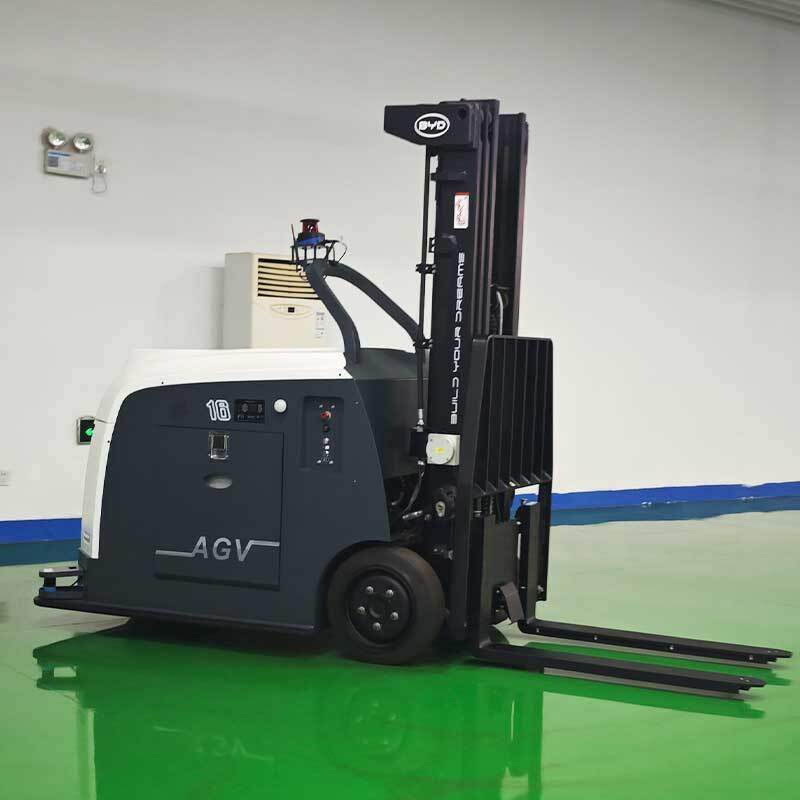
As low-carbon industrial logistics gets widely promoted across different sectors, electric forklifts have become a common core material handling equipment for warehouses, manufacturing plants and port scenarios, bringing lower noise emission and more stable operation experience compared with traditional internal combustion counterparts. Many frontline operators and equipment managers still lack systematic, actionable guidance to maximize the usage value of such equipment in daily work.
Core Standard Operating Basics
For new operators, the first step to get familiar with electric forklifts is to complete full pre-start checks before each shift, including confirming remaining power level, checking the flexibility of lifting and steering mechanisms, and verifying the normal functioning of warning lights and brake systems. Operators need to keep the load center within the specified range marked on the equipment nameplate during operation, avoid sudden acceleration or sharp turning when carrying heavy cargo, and never allow extra personnel to stand on the fork arms for auxiliary operations. Following basic operation rules effectively reduces most accidental damage risks in daily usage scenarios.
Routine Daily Maintenance Practices
Unlike internal combustion forklifts, electric forklifts have fewer mechanical wearing parts related to fuel combustion, but the power system and electronic control components need targeted regular care. Users should clean the surface of the power battery with dry soft cloth regularly to avoid dust accumulation that affects heat dissipation, check the connection of wiring terminals once a week, and arrange professional personnel to inspect the running state of the motor and control circuit every three months. It is not recommended to leave the battery in full discharge state for more than 24 hours, which can avoid unnecessary attenuation of the overall battery performance.
Energy Efficiency Optimization Strategies
Reasonable operation habits can effectively extend the single continuous working time of electric forklifts. Operators can plan the handling route reasonably in advance to reduce repeated long-distance driving with no load, avoid frequent lifting and lowering of fork arms at a high position when moving the whole vehicle, and adjust the travel speed according to the site road condition to reduce frequent braking. These small adjustments can bring noticeable improvement of equipment usage efficiency for long-term operation, and reduce the overall operation cost of the logistics team.


