
 English
 简体中文
 Русский
 Français
 Português
 Español


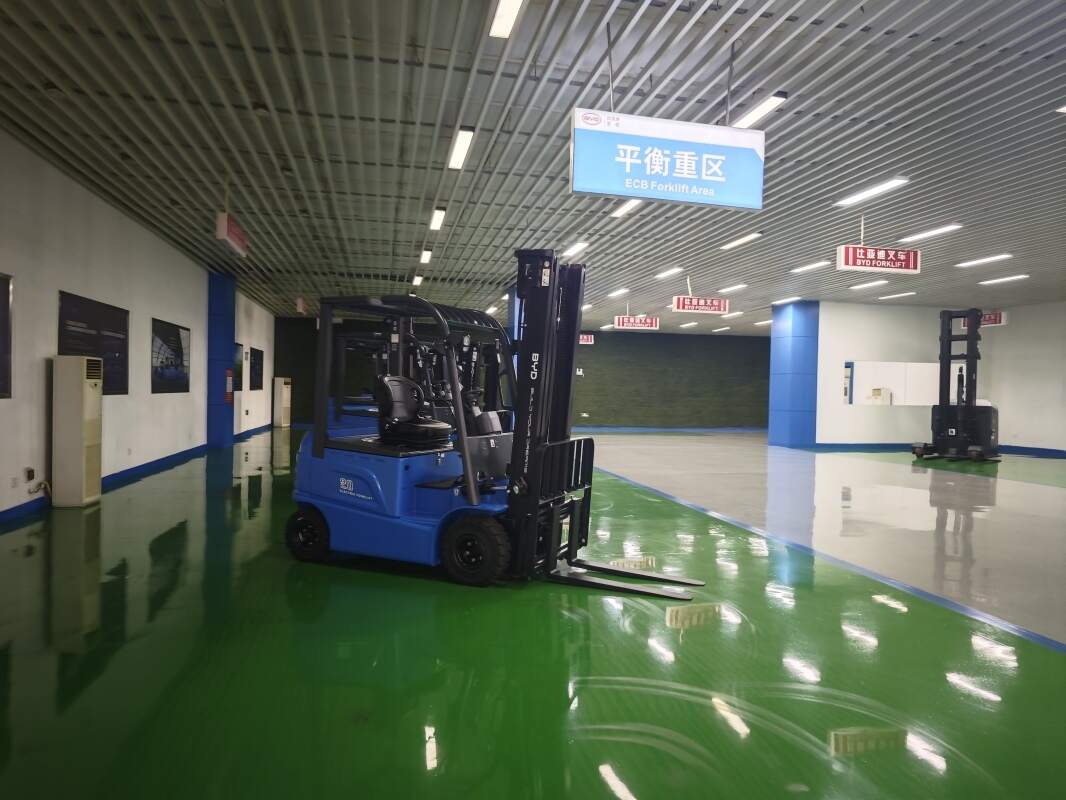
With the rapid development of low-carbon logistics and intelligent warehousing, electric forklifts have become one of the most widely used core material handling equipment in manufacturing plants, distribution centers and cold chain storage scenarios. Many frontline operators and equipment managers still have room to further improve their cognition of full-cycle efficient usage of electric forklifts, and this article sorts out practical, non-technical threshold applicable suggestions from multiple dimensions for industry reference.
Standardized Daily Operation Specifications
Before starting each shift, operators need to complete a quick inspection of core components including remaining battery level, braking response, fork wear condition and obstacle sensing function, to rule out hidden risks that may affect normal operation. During the operation process, it is necessary to strictly follow the rated load range to arrange handling tasks, avoid sudden acceleration and sudden braking as much as possible to reduce extra power consumption and component wear. When the equipment stays in the work area for more than 10 minutes, it is recommended to turn off the standby power to avoid unnecessary power loss, and control the driving speed below the safe limit in narrow passage areas to avoid scratches with surrounding goods and facilities.
Scientific Routine Maintenance Arrangement
After the daily operation is completed, operators need to clean up the dust, debris and residual goods attached to the surface of the equipment, especially to ensure that the heat dissipation vents of the power system are unobstructed, so as to avoid heat dissipation blockage caused by long-term accumulated sundries. According to the official operation guidance, arrange regular inspection of the battery pack connection interface, avoid full discharge of the battery in daily use, and complete the full charging process in a cool and ventilated environment. Check the oil level and cleanliness of the hydraulic system on a regular schedule, replace the aged sealing parts in time to reduce the risk of hydraulic oil leakage, which can effectively reduce the probability of unplanned shutdown failures.
Scenario-based Usage Optimization Strategies
For different working scenarios, the usage plan of electric forklifts can be adjusted appropriately to maximize its application value. For outdoor operation scenarios under low temperature environment, reserve enough redundant power in advance to cope with the decrease of battery activity under low temperature conditions, so as not to affect the completion of daily operation tasks. For high-frequency continuous operation scenarios, multiple sets of backup batteries can be arranged for orderly rotation to shorten the interruption time of operation tasks. For long-term high-load operation scenarios, arrange professional technicians to check the dynamic system regularly to maintain stable operation performance. Mastering the above usage points can give full play to the inherent advantages of electric forklifts, including low noise, low emission and low daily operating cost, and further improve the overall operation efficiency of the material handling link.


