
 English
 简体中文
 Русский
 Français
 Português
 Español


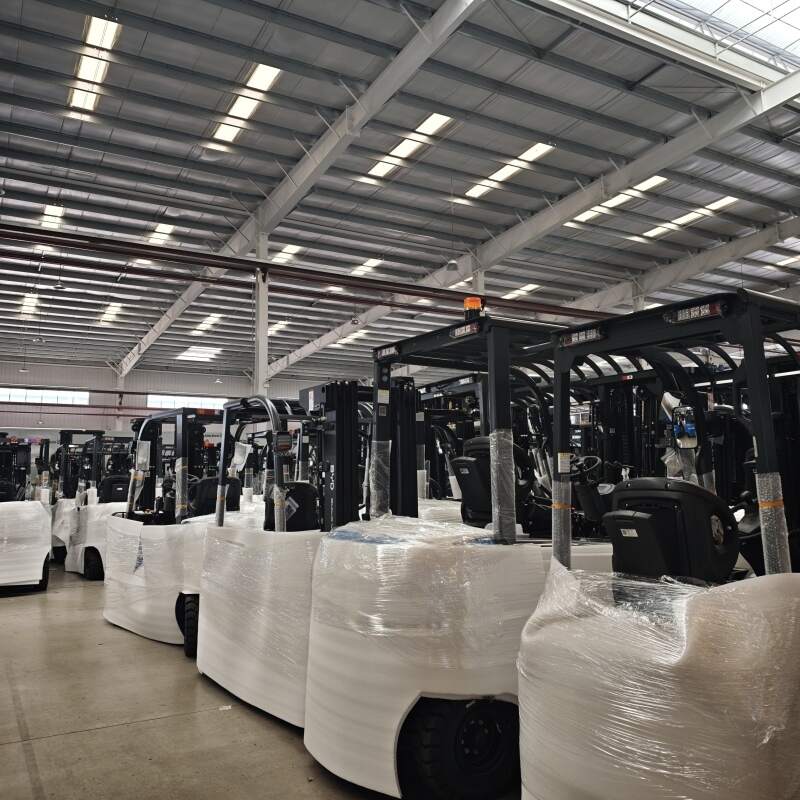
As low-carbon logistics and warehouse management develop rapidly, electric forklifts have become one of the most widely used material handling equipment in different industrial scenarios. Mastering correct operation and maintenance rules can help enterprises reduce unnecessary operating cost, lower hidden safety risks, and ensure stable daily operation of handling tasks.
Core Pre-operation Safety Specifications
Before starting each operation, operators need to complete a full range of pre-checks to confirm the braking system, lifting mechanism and steering parts are in normal working state, check the remaining power level to avoid sudden power off in the middle of high-altitude handling tasks, and clear the obstacles within the working path to prevent accidental collisions. Operators need to follow the rated load limit of the equipment, and do not carry over-weight goods beyond the specified parameters to avoid extra wear on the hydraulic structure. Operators also need to receive professional pre-job training before operating the equipment, to get familiar with all function buttons and response logic of the equipment.
Standard Routine Maintenance Process
Regular maintenance work can effectively extend the whole service life of electric forklifts. Operators need to clean the battery connection terminals on a regular schedule, avoid accumulated dust and condensed water causing poor contact or circuit short circuit, check the hydraulic oil level and tire wear status every week, and replace the worn parts in time when the wear degree reaches the specified threshold. It is not allowed to modify the built-in circuit structure of the equipment without professional guidance, and the full function detection can be arranged by professional technicians every fixed cycle to eliminate potential faults in advance.
Long-term Usage Efficiency Optimization Strategies
To get better using effect, enterprises can reasonably plan the operation path of electric forklifts according to the layout of the warehouse, reduce unnecessary frequent acceleration and deceleration actions, and avoid long time of full load continuous operation. When the equipment is in idle state, it should be parked in the designated safe area, and charged when the remaining power drops to the preset threshold, do not run the equipment until the power is completely exhausted. These small operational details can further reduce the energy consumption and lower the long-term operating cost.


