
 English
 简体中文
 Русский
 Français
 Português
 Español


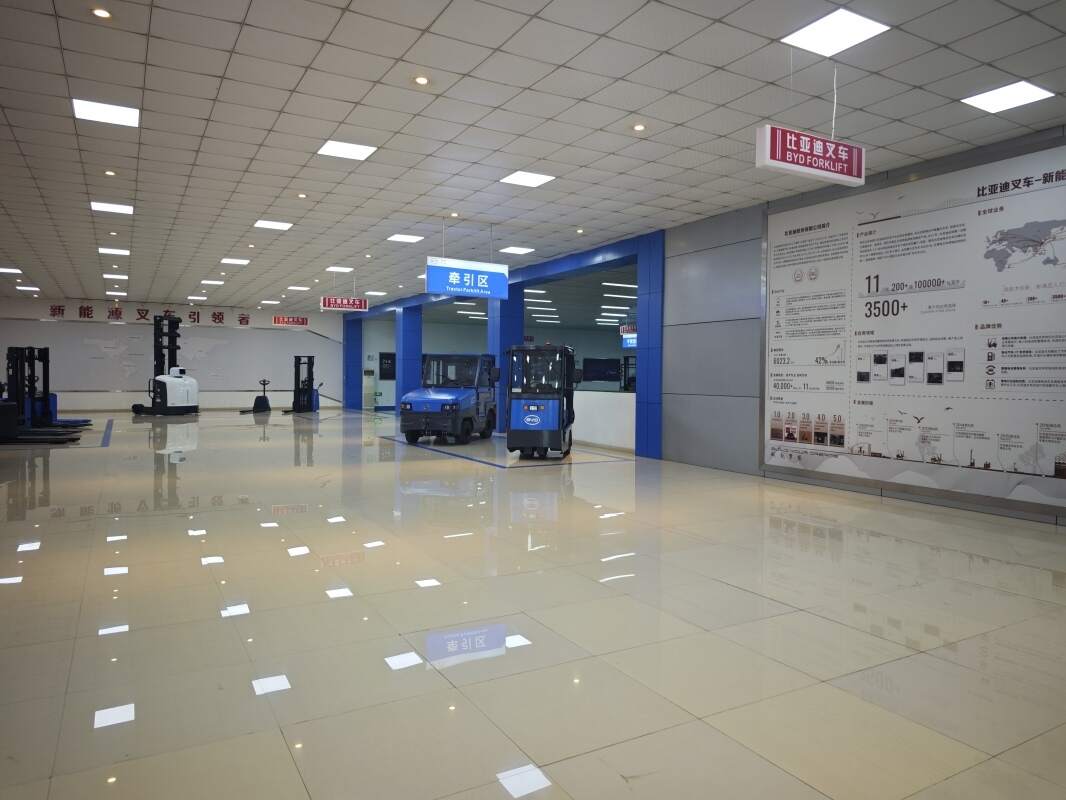
Against the background of accelerating low-carbon transformation in the logistics sector, electric forklifts have become one of the most widely adopted material handling equipment in closed warehouse scenarios for their relatively low noise, zero local emission and flexible operating characteristics. Many frontline operators and warehouse managers still lack systematic cognition of correct using rules and value tapping methods of this equipment, which easily leads to extra wear and hidden safety risks.
Core Advantages of Electric Forklifts in Daily Material Handling
Different from fuel-powered counterparts, electric forklifts rely on on-board power modules to provide power output, which will not produce exhaust gas that pollutes the air in closed indoor spaces. The overall vibration and noise level during operation is much lower, which can effectively reduce the long-term operation fatigue of frontline staff. The structure of the transmission system is relatively simpler, so the number of vulnerable wearing parts is lower than fuel models under normal use conditions, bringing relatively lower long-term operation and maintenance cost for warehouse operation teams.
Standardized Daily Maintenance Suggestions
Daily inspection work before starting operation should focus on checking the remaining power level of the power module, the telescopic flexibility of the lifting hydraulic rod, the sensitivity of the braking system and the wear condition of the walking wheels. After the daily work shift ends, operators should park the equipment in the designated ventilation and drying area, turn off the whole machine power supply completely, and carry out standardized charging operation according to the specified parameters to extend the whole service life of the core power components. Avoid long-term storage of the equipment under the state of insufficient power, which may cause irreversible loss of power storage performance and raise extra replacement cost.
Safe Operation Specifications to Improve Working Efficiency
Operators should receive professional pre-job training before taking up the post, and strictly control the load weight within the rated range marked on the equipment nameplate, to avoid the risk of goods falling or equipment tipping caused by overloading. When operating the equipment in the narrow warehouse aisle, operators should keep a safe distance with surrounding goods, shelves and passing staff, and reduce the driving speed appropriately when turning. Reasonably arranging the operation path according to the daily goods access rhythm can effectively reduce the redundant moving distance of the equipment, and further improve the overall material handling efficiency of the whole warehouse.


