
 English
 简体中文
 Русский
 Français
 Português
 Español


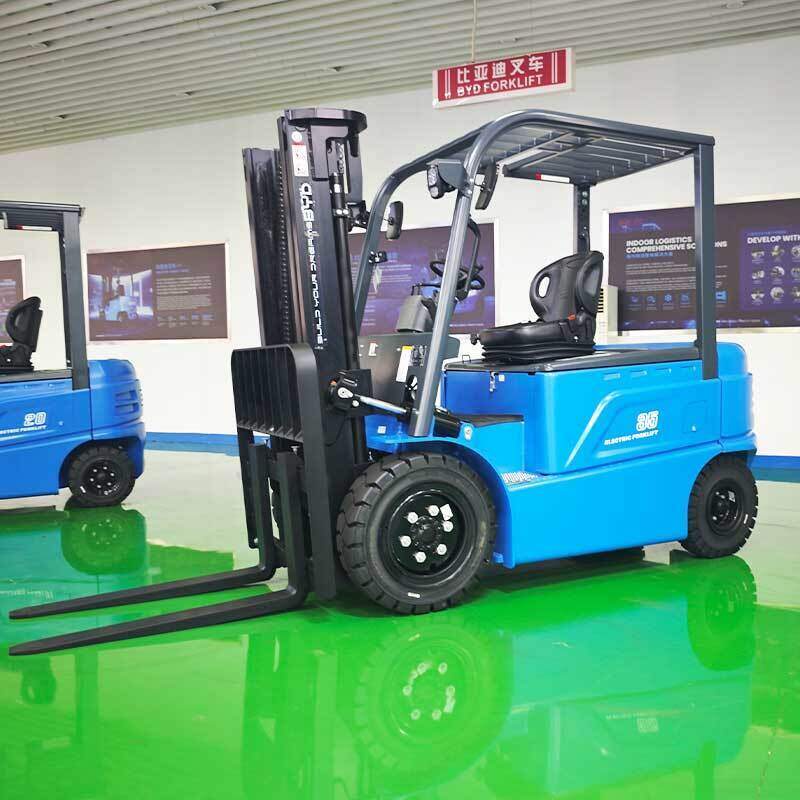
As a veteran expert with years of experience in the electric forklift sector, we have summarized practical, field-verified guidance for operators and warehouse managers to maximize the value of electric forklift equipment in regular material handling workflows, avoiding common operational mistakes that may cause unnecessary cost loss.
Core Daily Operation Safety Rules
Prior to each shift, operators need to conduct a full pre-operation check covering brake sensitivity, tire wear condition, lifting mechanism flexibility and battery connection tightness, to identify hidden issues in early stage. Operators need to keep stable running speed in narrow warehouse aisles, avoid sudden steering or emergency braking when carrying heavy loads, and keep clear observation of surrounding pedestrians and stacked goods at all time to avoid accidental collisions. It is not recommended to overload the equipment beyond the rated load limit, as such behavior will add extra pressure to the driving motor and lifting system, and shorten the overall service life of core components.
Practical Energy Efficiency Promotion Methods
Most electric forklifts rely on mature battery packs as power source, proper operation habits can effectively extend a single charge range by 10% to 15% under normal working conditions. Operators can avoid frequent acceleration and deceleration when moving on flat ground, make full use of the vehicle’s inherent inertia to adjust running status reasonably, and turn off the standby power system when the equipment is not in use for more than 10 minutes to reduce unnecessary power consumption. For sites that carry out multi-shift operations, arranging reasonable charging intervals based on real-time remaining power instead of waiting for the battery to be fully drained can effectively slow down the performance attenuation speed of the battery pack, and reduce the long-term power supply cost of the equipment.
Routine Maintenance Principles to Cut Unplanned Downtime
Unlike internal combustion forklifts, electric forklifts do not need regular oil replacement and engine filter maintenance, but the inspection of electrical components and transmission parts still needs to be completed as required on a scheduled basis. Operators can wipe the dust and sundries on the surface of the battery and control panel every week, check the tightness of each wiring interface, and apply proper amount of lubricating oil to the sliding parts of the gantry to keep the lifting process smooth. After long period of high intensity operation, arrange professional technical personnel to conduct full inspection of the motor, controller and walking system every 3 to 6 months, to find potential hidden faults in advance, and reduce unplanned downtime that may interrupt normal warehouse operation. Following the above guidance can help relevant teams build a standardized using and management system for electric forklifts, give full play to the advantages of low noise, zero local emission and low operation cost of such equipment, and support the stable operation of daily material handling links in different industrial scenarios.


