
 English
 简体中文
 Русский
 Français
 Português
 Español


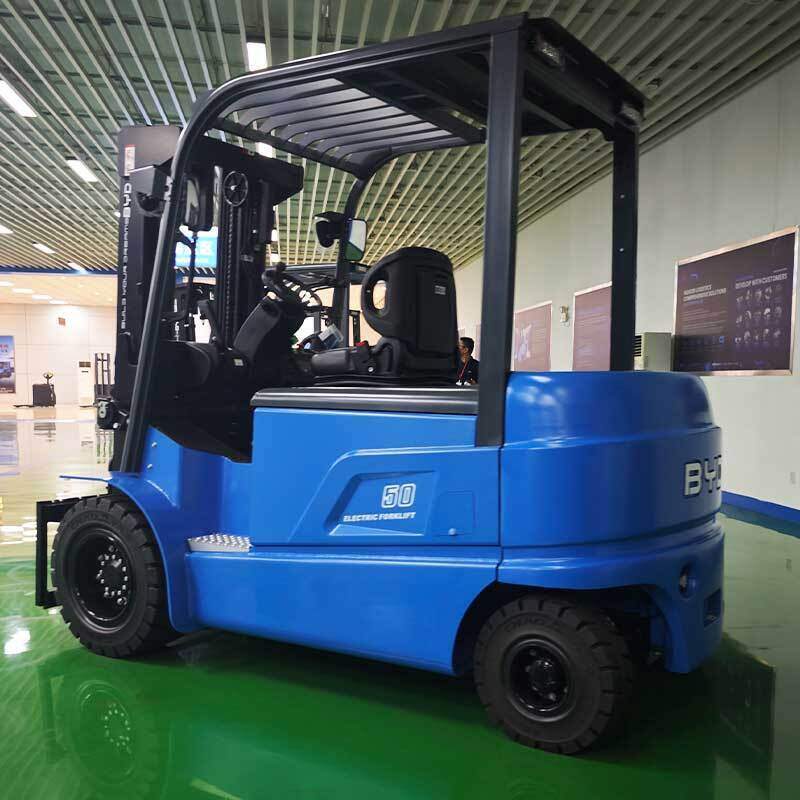
As one of the most widely used core equipment in modern material handling scenarios, electric forklifts have been popularized across various warehousing, manufacturing and distribution sectors for their low noise, zero on-site emission and relatively low operation cost. Mastering standardized use and management rules can help operators give full play to the advantages of such equipment in daily work.
Basic Pre-operation Check Norms
Before each formal operation, operators need to complete a set of standardized inspection work to exclude hidden risks in advance. It is necessary to check the remaining battery level to confirm it can support the expected working hours of the shift, inspect the sensitivity of the braking system and steering structure, check the wear condition of fork arms and load backrest, and clear the obstacles around the working route within the visible range. Operators also need to confirm the load weight of the goods to be handled does not exceed the rated load capacity of the equipment, to avoid extra pressure on the power and hydraulic structure.
Standard Operation Safety Rules
During the driving and handling process, operators need to keep the driving speed within the safe range, especially in narrow aisles, areas with dense personnel and low visibility sections, reduce the speed properly and give reminder signals when necessary. It is not allowed to carry extra personnel on the equipment body, and the fork arms should be kept 10 to 15 centimeters above the ground during normal driving, to avoid scraping the ground or touching surrounding facilities. When stacking or picking up goods at high positions, operators should keep the body stable and adjust the tilt angle of the door frame slowly to prevent the goods from slipping off.
Routine Maintenance for Long-term Stable Performance
Daily maintenance work can effectively extend the service life of electric forklifts and reduce unexpected downtime. Operators should avoid overcharging or deep discharging the power battery, clean the dust and sundries on the surface of the motor and heat dissipation structure regularly, and check the tightness of connecting parts every certain working cycle. For long-term idle equipment, it is necessary to arrange regular power supplement and full function inspection, to avoid performance degradation caused by long-term non-use. Following the above practical rules can help enterprises get more stable use experience of electric forklifts, and create higher value in daily material handling work.


