
 English
 简体中文
 Русский
 Français
 Português
 Español


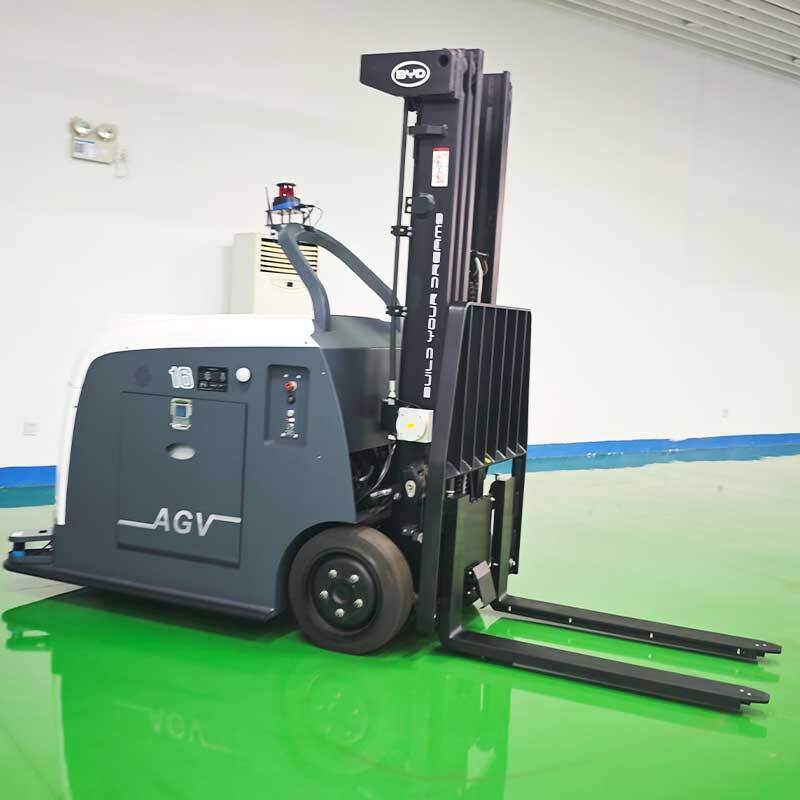
Against the background of low-carbon transformation in industrial logistics and warehousing sectors, electric forklifts have become one of the most widely used material handling equipment in daily operation. Mastering professional, systematic operation and maintenance knowledge can effectively reduce unnecessary equipment wear, extend service life and bring more stable value for daily production activities.
Core Safe Operation Specifications
Before each startup, operators need to complete basic pre-checks on the braking system, power display, steering flexibility and surrounding working environment, to confirm no hidden risks before formal operation. During driving, operators should control the travelling speed reasonably, remind surrounding staff by honking in narrow aisles or blind areas, keep the load at a low and stable height to avoid falling of goods. It is not allowed to overload the equipment, carry irrelevant personnel on the working platform, or make sharp turns with full load. When leaving the operation position for a long time, operators should pull the hand brake, lower the forks to the ground and cut off the main power supply.
Routine Daily Maintenance Best Practices
After finishing each shift, operators can clean up dust, residual goods and sundries attached to the vehicle body, to avoid debris entering the movement structure and causing abnormal wear. It is necessary to check the battery status regularly, avoid over-discharging the equipment to affect the total battery cycle life, and complete charging work in well-ventilated designated areas without covering the charging port with sundries. The hydraulic system, tire wear condition and connecting fasteners should be inspected on a regular basis, and minor abnormal conditions should be handled timely to avoid further expansion of faults that cause longer downtime.
Practical Operation Efficiency Optimization Strategies
According to the actual channel width, cargo weight and operation rhythm of the working scenario, relevant teams can formulate reasonable travelling routes to reduce unnecessary empty driving distance. Regular skill training for operators can help reduce misoperation and shorten the average time of each handling cycle. Reasonably arrange the charging schedule outside the peak operation period, to ensure the equipment can provide stable full-day endurance support. By following the above specifications, electric forklifts can maintain a stable working state in the whole service cycle, and provide reliable support for daily industrial material handling work.


