
 English
 简体中文
简体中文 Русский
 Français
 Português
 Español

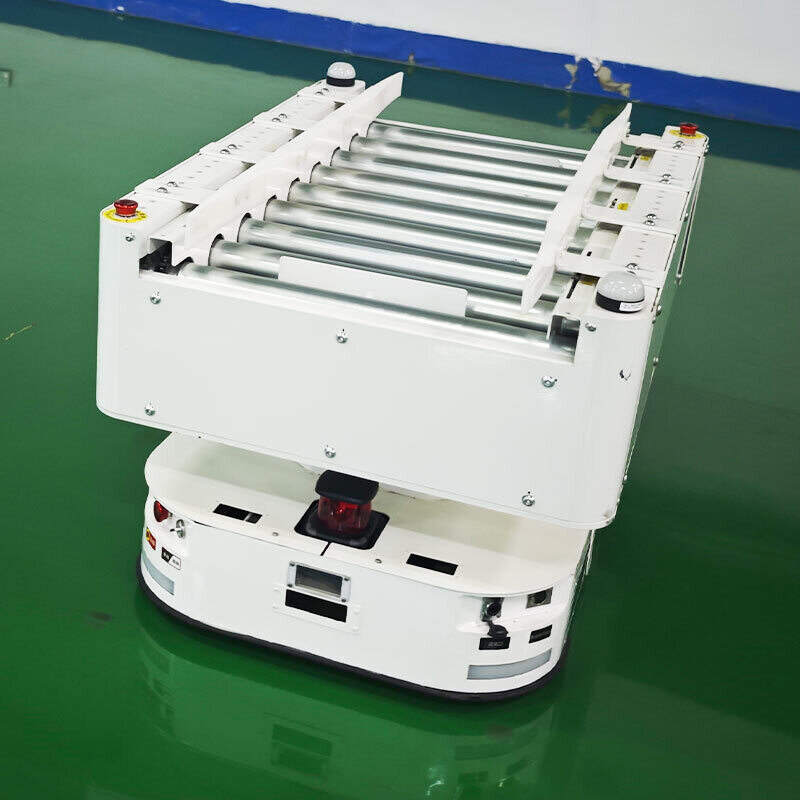
Nowadays, more and more businesses in manufacturing, logistics, retail and related sectors are upgrading their material handling systems with electric forklifts, to meet low-carbon operation requirements and cut long-term energy and maintenance costs. Many decision-makers are facing the common choice between short-term equipment rental and permanent independent acquisition, and a systematic assessment process can help avoid improper resource allocation.
First, it is necessary to clarify the applicable scenarios of short-term electric forklift rental. For businesses that have obvious seasonal operation peaks, such as e-commerce enterprises facing large-scale promotion periods, or agricultural product logistics service providers in harvest seasons, the temporary surge of handling demands usually lasts for 2 to 8 weeks. Short-term rental does not require large one-time capital investment, and businesses can flexibly adjust the number of rented devices and lease period according to actual demand. In most cases, the daily maintenance, regular inspection and fault repair of rented equipment are taken charge of by the service provider, so that the enterprise does not need to arrange special personnel team for equipment management, and will not face the problem of idle equipment disposal after the peak period ends. This model is also suitable for temporary special projects, such as warehouse relocation and regional logistics node transformation that lasts no more than 6 months.
Second, permanent electric forklift acquisition is more suitable for scenarios with stable long-term demands. If the enterprise maintains continuous and regular material handling work for more than 8 hours per working day all year round, and the business scale and site layout will not change significantly in the next 3 to 5 years, the total equipment cost amortized to each working hour will be more competitive than long-term continuous rental. After completing the acquisition process, the enterprise can arrange the equipment to match its own operation process, set fixed charging and maintenance points in the site according to its own management system, and include the equipment in the fixed asset account for subsequent standardized value management and residual value treatment.
Before making the final decision, the business can organize the operation, finance and logistics teams to conduct joint demonstration, calculate the total cost of the two schemes within the target operation cycle, evaluate the future business fluctuation trend, and select the solution that best matches its own operation status.


