
 English
 简体中文
简体中文 Русский
 Français
 Português
 Español

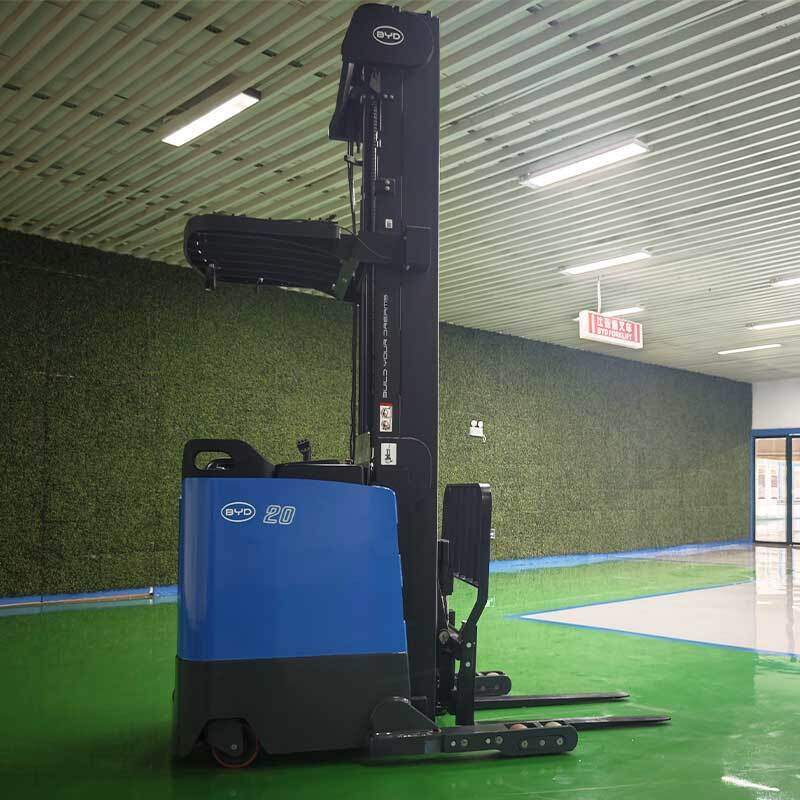
Semi-electric pallet trucks are widely applied in low-intensity material handling scenarios across warehouse, retail logistics and light industrial workshops, with electric power supporting the whole lifting process while manual force assists walking movement. The load-lifting performance parameters of different product ranges directly determine the applicable scenarios, operation safety and service life of the equipment, which should be taken as core reference indexes for type selection.
The first core parameter refers to rated load lifting capacity. This indicator specifies the maximum allowed load weight under standard rated working conditions, and different product lines have covered diversified load sections to match the demands of different operation scenarios. Users should note that the actual effective load will decrease gradually when the lifting height rises to the maximum allowed value, so it is not recommended to carry overweight goods when the equipment reaches the upper limit of lifting stroke.
The second key parameter is maximum lifting height. This metric describes the maximum vertical distance that the upper surface of the pallet fork can reach from its lowest original position. Most product ranges are designed with multiple optional maximum lifting height specifications, to adapt to different scenarios including common horizontal pallet transport, low-height goods stacking, and short-distance order picking. The free lifting height, as an affiliated parameter of this category, refers to the distance that pallet forks can rise before the mast extends, which is quite suitable for operation spaces with limited internal height such as standard containers and low-height cargo carriages.
Load center distance is another non-negligible parameter in the load-lifting performance system. This indicator is set according to the industry general standard, which refers to the horizontal distance from the center of the standardized rated load to the vertical section of the pallet fork. If the actual gravity center of the loaded goods exceeds the preset load center distance, the actual bearing capacity of the equipment will drop correspondingly, and operators should adjust the load weight reasonably to keep operation stable.
The last core parameter covers load lifting speed under no-load and full-load conditions. For semi-electric pallet truck product ranges, the lifting speed will be kept in a steady and safe range no matter under no-load or full-load status, to avoid the risk of goods slipping or equipment shaking caused by excessively fast lifting. Users can combine all the above parameters to make targeted selection according to their actual operation habits, site space and daily handling demands.


