
 English
 简体中文
简体中文 Русский
 Français
 Português
 Español

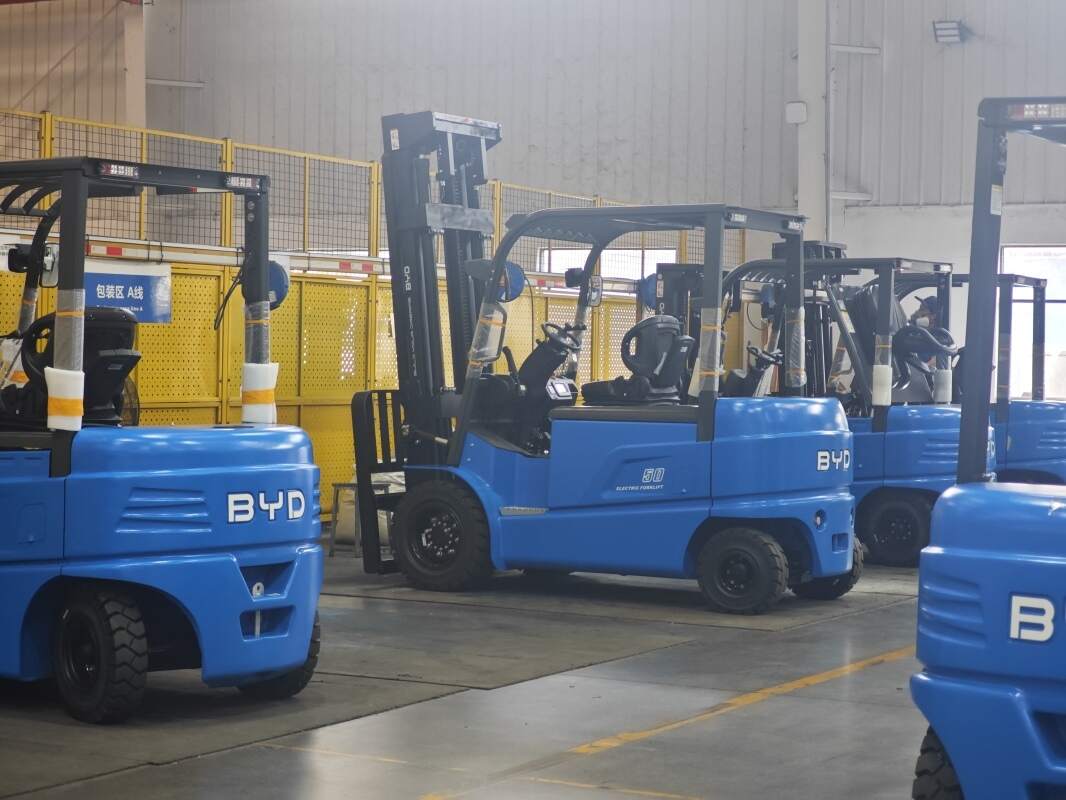
Before activating the side-shift function of an electric forklift, all operators shall finish full pre-operation checks to eliminate hidden risks in advance. First, confirm that the fork carriage, fork arms and side-shift hydraulic components are in normal condition without obvious deformation, oil leakage or loose connection. Then check that the load on the forks is stably placed and the center of gravity of the load is within the allowable load range of the side-shift function, never start the side-shift operation with overload or unbalanced heavy load. Operators shall also clear the surrounding working zone within the maximum shifting distance of the forks to make sure no unrelated personnel or fragile stacked goods stay in the potential movement path.
When operating the side-shift control lever, operators shall keep the forklift body in static stable state first, do not trigger the side-shift function when the vehicle is moving at a driving speed higher than walking speed. Push or pull the control lever slowly and steadily, to avoid sharp and frequent operation which may cause the load to slide off the forks or produce extra impact on the hydraulic system. During the shifting process, observe the real-time state of the load and surrounding space continuously, confirm that the shifting distance will not exceed the maximum allowable stroke of the side-shift mechanism. If the load is of extra height, operators should adjust their sitting posture to get a full view of the fork movement track instead of operating blindly.
After finishing the side-shift adjustment work, reset the control lever to the neutral position smoothly, do not keep applying force on the lever for a long time after the forks reach the preset position. When the whole handling task is completed, move the side-shift mechanism back to the middle centered position of the fork carriage, which can extend the service life of relevant hydraulic seals and sliding rails. It is also not recommended to use the side-shift function to replace the whole vehicle's body position adjustment for long-distance material stacking work, so as to avoid partial wear of the sliding rail components.
All operators shall receive systematic skill training before using the side-shift function, and adjust operation details according to actual working site conditions, to ensure the whole operation process is safe and compliant. Regular routine maintenance on the side-shift sliding rails and hydraulic pipelines also helps the function stay in good working state for long term daily use.


