
 English
 简体中文
简体中文 Русский
 Français
 Português
 Español

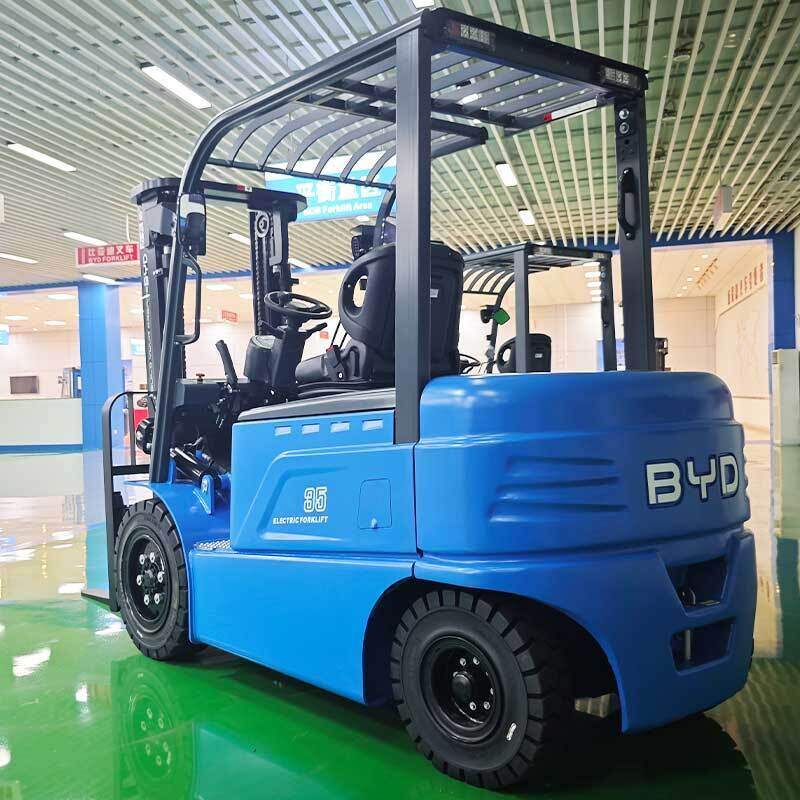
Working in cold-storage environments usually features persistent low temperatures, slippery ground surfaces, reduced visibility and extended exposure to low-temperature conditions, which brings unique operation challenges for electric pallet truck operators compared with regular warehouse scenarios. A complete, targeted training system can effectively reduce safety risks, extend service life of handling equipment, and improve overall operation efficiency in low-temperature warehouses.
The first module of training focuses on pre-post low-temperature adaptation. Trainees will first learn the physiological impacts of long-term work under 0℃ or even sub-zero conditions, and master correct use of professional cold-proof work gear that does not hinder operation flexibility. Trainers will explain how to identify common physical discomfort signs including frost numbness of fingers and delayed reaction caused by low temperature, so that operators can arrange reasonable rest shifts to avoid over fatigue in low-temperature spaces.
The second core module covers operation specifications tailored for cold storage scenarios. Trainees will practice basic operation skills in specially set low-temperature simulation zones first, including adjusted acceleration and deceleration rhythm adapted to slippery frozen ground, proper control of running speed in narrow aisles with condensed frost, and correct operation of lifting and loading steps to avoid goods slipping off forks under low temperature. Trainers will also teach operators to recognize low-temperature warning signs posted in different cold storage zones, and master the pre-operation check checklist tailored for cold environment use, to confirm no condensed ice blocks on wheel hubs, control handles and braking systems before formal operation.
The third training module focuses on targeted daily maintenance knowledge for electric pallet trucks in cold storage. Operators will learn to finish specified battery inspection and warming-up procedures before bringing equipment into cold storage spaces, follow regulated post-operation steps to clean frost and accumulated moisture on all components, and park the equipment in designated constant temperature transition zones when not in use, to avoid unnecessary component damage caused by long-term exposure to ultra-low temperatures.
The final part of training is regular emergency response drill. Trainees will practice proper response procedures when the equipment encounters sudden braking failure, or skids on frozen ground, master correct evacuation routes to leave the cold storage space quickly when unexpected accidents happen, and be familiar with site first-aid steps for mild frostbite and accidental collision scenarios. All training content needs to be assessed through theoretical test and on-site operation evaluation, to ensure every operator can adapt to cold storage operation requirements stably.


