
 English
 简体中文
简体中文 Русский
 Français
 Português
 Español

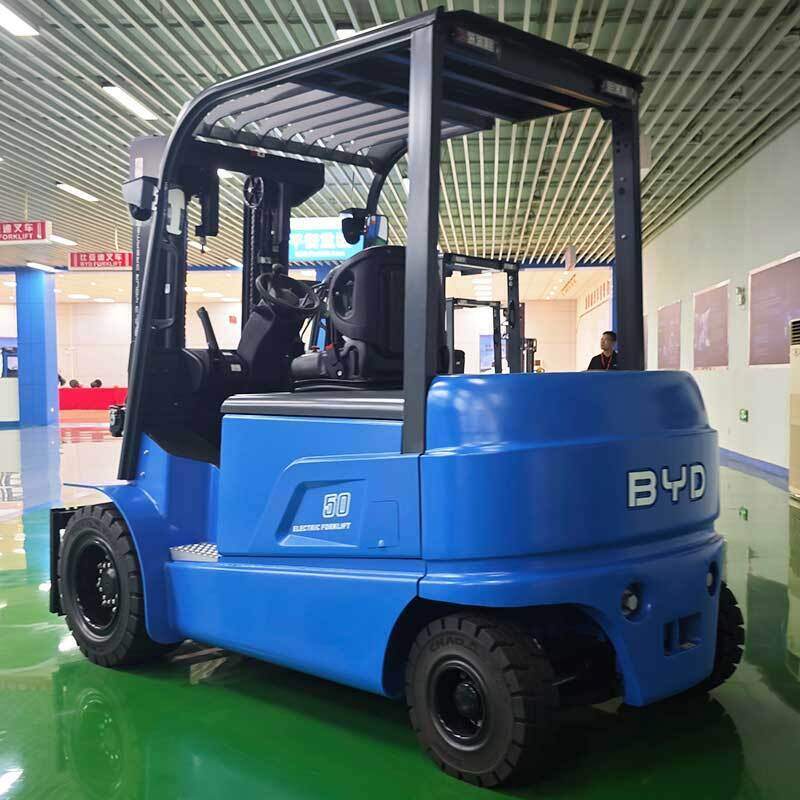
Third-party logistics (3PL) providers usually face variable order volumes, multi-shift operation demands and tight delivery schedules every month, making the daily management of material handling equipment a core factor that influences service quality and operating cost. Lithium-ion forklifts, which fit well with high-frequency operation scenarios, can release far more value if matched with scientific and targeted fleet management rules, rather than following the old management standards adapted for traditional lead-acid forklifts.
The first core idea is to build a user-level operation permission system for all forklift units. Since 3PL teams usually have a large number of temporary or rotating drivers, it is necessary to bind each driver’s operation qualification with corresponding accessible forklift units, and require every operator to finish three quick pre-shift checks before starting work: confirm remaining battery level, check fork arm deformation status and test the flexibility of brake and lifting system, then upload the check result to the unified fleet management platform. This mechanism can effectively avoid misoperations that cause unnecessary damage to lithium battery cores or vehicle components.
The second actionable measure is to launch dynamic power scheduling matched with order peaks. Different from traditional lead-acid forklifts that need long-time charging and special battery replacement areas, lithium-ion forklifts support opportunity charging in short idle periods. The management team can count the daily operation curve of each work zone, arrange concentrated supplementary charging for idle units during low order volume periods, and allocate the units with sufficient power to core operation zones in peak hours, so as to avoid unexpected power exhaustion that causes operation interruption. Managers can also adjust the allocation of forklifts across different work zones evenly according to the monthly operation data of each unit, to prevent single equipment from working under long-time overloaded state.
The third management point is to implement regular predictive maintenance tracking for the whole fleet. Instead of troubleshooting after faults happen, the management team can organize weekly routine inspections for each unit, check the real-time working temperature of lithium battery packs, the wear condition of tires, and the lubrication status of lifting structures, and record all inspection data in the digital management system. A full-range performance calibration can be arranged every quarter, to replace mildly worn parts in advance, which can effectively reduce unplanned downtime and extend the whole service life of equipment reasonably.
With the implementation of these targeted management rules, 3PL providers can give full play to the advantages of lithium-ion forklift equipment, form a more smooth and stable internal operation flow, and achieve sustainable cost reduction in long-term operation.


