
 English
 简体中文
简体中文 Русский
 Français
 Português
 Español

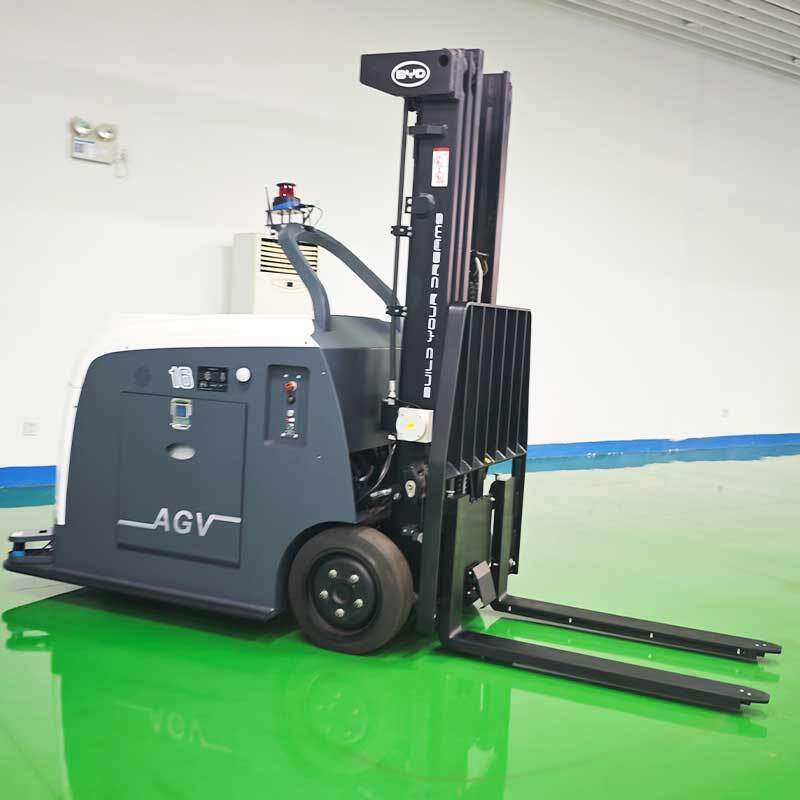
Heavy-duty building-material storage yards typically face complex operation scenarios, where piles of bulky goods like cement bags, prefabricated building components, stone blocks and wall panels are scattered across large open or semi-enclosed areas. The frequent high-intensity handling demands, uneven ground conditions, and large temperature fluctuation ranges all put forward strict requirements for the performance of handling equipment. Different from traditional lead-acid forklifts, lithium-ion forklifts show differentiated performance characteristics under such scenarios, and targeted adaptation condition analysis is essential to give full play to their practical application value.
The first core dimension of adaptation condition analysis focuses on load matching and continuous operation capacity. In daily operations of building material storage yards, forklifts often need to carry rated load for 6 to 8 consecutive hours, while completing frequent lifting, stacking and short-distance shifting operations. The stable output characteristic of lithium-ion power systems can maintain consistent power performance even under full-load continuous operation, which avoids the problem of obvious power attenuation caused by long-time high-current discharge that exists in traditional lead-acid equipment. Operators can arrange shift rotation and material turnover plans reasonably according to the actual daily handling volume, without extra waiting time for long battery charging. For yards that need to operate for more than 12 hours a day, the fast charging feature of lithium-ion forklifts can support short rest period power supplement, to meet the demand of non-stop material handling during peak business periods.
The second key dimension is the environmental tolerance adaptation for the complex site conditions of building material yards. Most building material storage yards have gravel roads, slope areas and uneven road surfaces, accompanied by a large amount of floating dust and seasonal temperature changes. The enclosed structure of lithium-ion battery packs can effectively reduce the risk of dust erosion and liquid leakage during frequent bumping operations. Within the normal working temperature range of -20℃ to 45℃, the power management system can automatically adjust the output strategy, to ensure stable operation of the whole vehicle without frequent abnormal alarms. Compared with traditional internal combustion forklifts, lithium-ion forklifts will not produce exhaust gas in the semi-enclosed material storage shed, which effectively improves the working environment for on-site operators, and meets the environmental protection management requirements of most modern industrial storage areas.
The third dimension covers post-operation maintenance adaptation matching the daily management rhythm of building material yards. Lithium-ion forklifts do not need regular daily operations such as electrolyte replenishment and electrode cleaning, which greatly reduces the daily maintenance workload of on-site management personnel. For most small and medium-sized building material storage yards that do not configure special professional equipment maintenance teams, this feature can effectively cut the long-term operation cost of the material handling link. In practical application scenarios, when the actual operation intensity matches the rated parameter of the selected lithium-ion forklift, the comprehensive use cost within the whole life cycle shows obvious cost performance advantage. The operation team can conduct a 7 to 14 day trial operation according to the actual goods type, average daily handling volume and site condition, to adjust the vehicle parameter setting to the most suitable state for local application.


