English
 简体中文
 Русский
 Français
 Português
 Español


Beverage plants face unique operational challenges in daily material handling workflows, including high order throughput during peak seasons, strict food hygiene requirements, mixed scenarios of normal temperature storage and low-temperature cold storage, as well as frequent loading and unloading tasks for heavy palletized beverage products. Choosing suitable material handling equipment directly impacts overall operation stability and comprehensive benefits of the whole plant.
Traditional internal combustion forklifts produce exhaust emissions during operation, which may cause potential contamination to packaged beverage products stored in closed warehouses, and they also need frequent refueling operations that occupy extra independent operation areas. For lead-acid forklifts widely used in the past, regular watering maintenance, long full charging time, and risk of electrolyte leakage also bring extra management burden to plant operation teams.
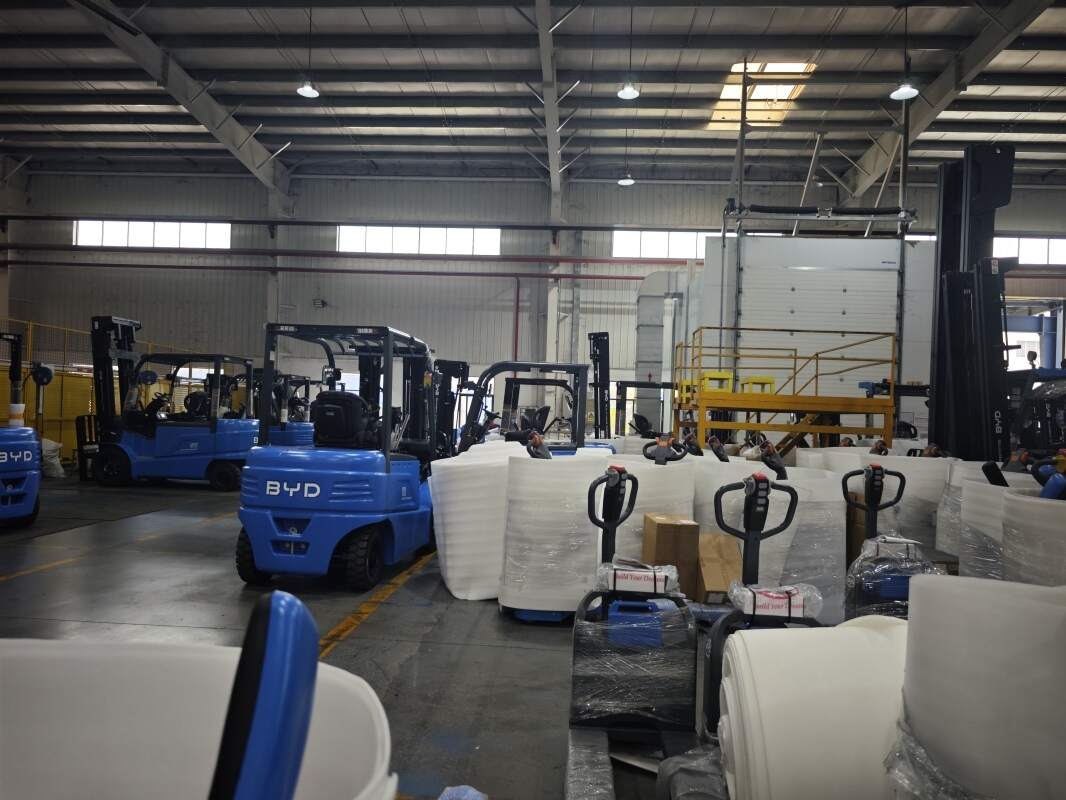
Lithium-ion forklifts can well solve the above pain points for beverage plant operations. First, it matches the high-tempo multi-shift operation mode in peak seasons. The core lithium battery unit supports opportunity charging, which means operators can supplement sufficient power during short breaks between shifts, no extra battery replacement and storage area is required, and it can cover the full operation demand of 2 to 3 consecutive shifts after a full charge, avoiding unexpected downtime caused by power shortage.
Second, it meets the strict food hygiene and safety requirements of the beverage industry. The whole unit operates with zero exhaust emission, there is no risk of corrosive liquid leakage, so it will not cause any adverse impact on the hygiene status of beverage products, and it can operate stably in enclosed cold storage scenarios without accumulating harmful gas inside the limited space. The sealed electric control system of lithium-ion forklift also has good waterproof and dustproof performance, which can adapt to the wet ground environment caused by occasional spilled beverages in the plant, reducing equipment failure rate effectively.
Third, it helps to reduce the overall operation cost in the full life cycle. Lithium-ion forklift does not need regular daily maintenance work such as adding water to the battery, and the energy consumption per unit operation is far lower than that of internal combustion forklifts, which can bring considerable cost savings for long-term continuous use.
We are Jianshu New Energy (尖树新能源), who focus on professional BYD electric forklift solutions for different industrial scenarios. If you have any demand for material handling equipment for your beverage plant, please contact us via [email protected] for more customized support.