English
 简体中文
 Русский
 Français
 Português
 Español


Food and beverage facilities have unique operating rules that differ from ordinary industrial warehouses, as all material handling processes must comply with strict food safety, hygiene and production continuity standards. Choosing a suitable electric forklift plays a core supporting role in stable daily operation.
First of all, full compliance with food hygiene standards is the primary requirement. Unlike internal combustion forklifts, qualified electric forklifts produce no exhaust emission during operation, and there is no risk of oil leakage or residual fuel volatile matter that may contaminate raw food materials, semi-finished products and finished packaging. The body surface of the electric forklift applied for food scenarios usually adopts smooth seamless design, which leaves no hidden corner for residual dirt accumulation, and can be quickly cleaned and disinfected in daily handover links, fully meeting the regular hygiene audit requirements of the food and beverage industry.
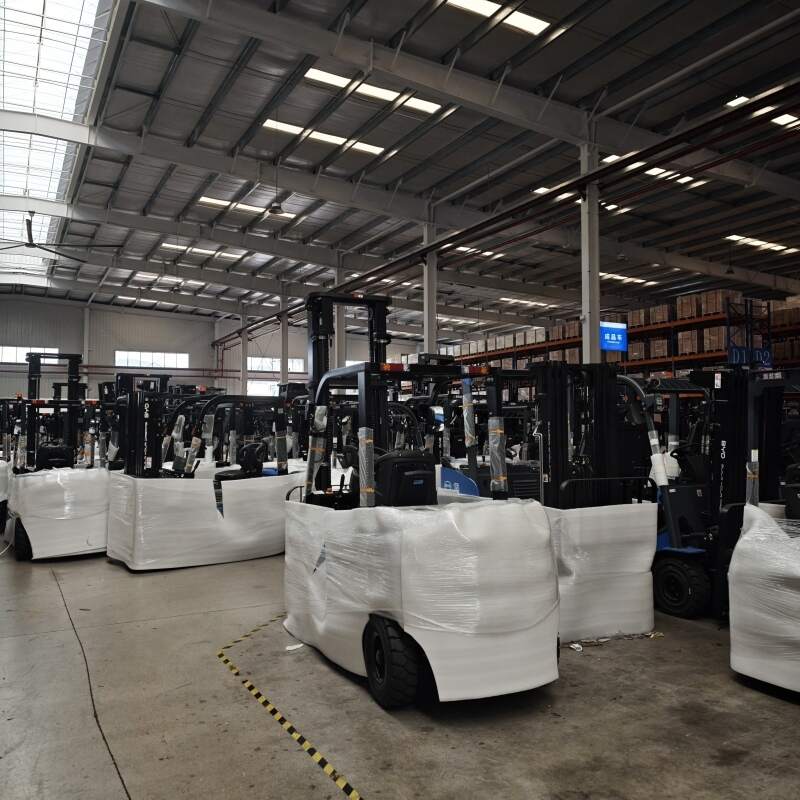
Second, the equipment needs to adapt to diversified operation scenarios in the facility. Many food and beverage facilities are equipped with low-temperature cold storage areas for storing fresh ingredients and frozen products. Qualified electric forklifts can keep stable battery output performance in low temperature environment, avoiding the difficulty of starting and power attenuation problems that often appear in fuel equipment under the same condition. The low operation noise of electric forklifts will not interfere with the normal work of sorting and packaging staff in the production area, which also meets the occupational health protection requirements for long-term working staff in closed workshops.
Third, the equipment needs to support continuous high-intensity operation and low comprehensive operating cost. Most food and beverage facilities run two or three shifts every day to meet the market supply demand. The mainstream electric forklift can support full-day operation after one full charge, and support quick supplementary charging during non-peak hours. There is no need for frequent replacement of engine oil, filter elements and other vulnerable parts required for internal combustion equipment, which greatly reduces the time and labor cost of daily maintenance, and guarantees the continuity of material handling links.
Fourth, the safety performance of the electric forklift should match the fire protection specifications of food storage areas. Most of the stored goods in food and beverage warehouses are paper packaging, plastic packaging and grain raw materials with certain flammable attributes. The electric forklift has no open flame risk during the whole operation process, and the optimized low center of gravity design can effectively reduce the risk of cargo slipping and vehicle side turning during high-frequency turning and stacking operation, which further reduces the hidden safety risks of the whole facility.
We are Jianshu New Energy, focusing on BYD electric forklift. If you have demand for matching electric forklift solutions for your food and beverage facility, you can send your specific requirement to the email address [email protected] for further communication.