
 English
 简体中文
 Русский
 Français
 Português
 Español


Agriculture facility managers in charge of grain warehouses, agricultural material storage centers, fresh product sorting yards and other farm scenarios often face unique material handling challenges, including limited aisle space, high pollution prevention requirements for stored agricultural products, and occasional mixed operating environments of indoor storage and short-distance outdoor transfer. A reach forklift is a very practical equipment option that can solve most of these pain points when deployed properly.
First of all, the narrow passage adaptation feature of reach forklifts is very friendly to agricultural storage scenes. Most farm warehouses are planned with higher storage density to make full use of limited land resources, and the reserved operation aisle width is usually smaller than that of standard industrial warehouses. The telescopic gantry design of the reach forklift does not need extra space for the whole vehicle to turn when stacking and picking goods, which can effectively save 25% to 35% of the aisle occupation space compared with traditional counterbalanced forklifts, allowing facilities to add 20% more shelf positions to store more agricultural fertilizers, seeds, harvested grain and fresh agricultural products.
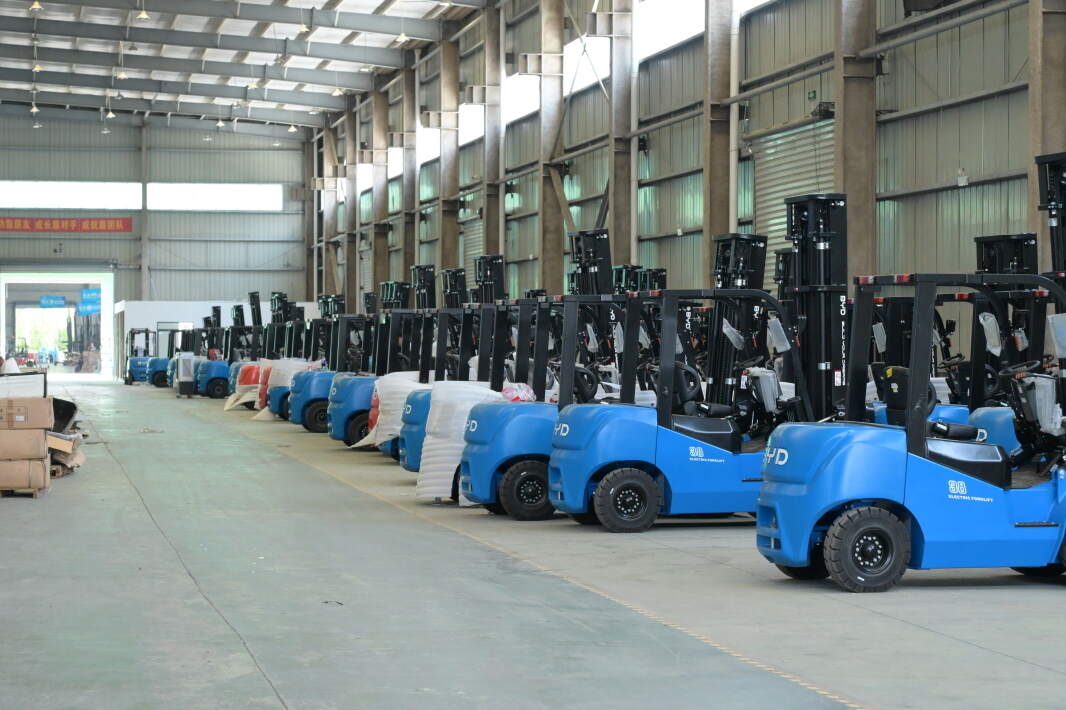
The electric type of reach forklift is more suitable for agricultural scenarios that have high requirements for food safety. It produces zero exhaust emissions during operation, and will not cause any volatile oil pollution or peculiar smell pollution to stored grain, fruits and vegetables and other edible agricultural products. The low operation noise will not disturb the rest of the staff on duty in the farm, nor will it cause unnecessary stress to livestock breeding areas adjacent to the storage facilities. The optimized power configuration can support 6 to 8 hours of continuous daily handling operation to meet the daily material transfer demand of most medium-sized agricultural facilities. The operation and maintenance process is also much simpler, there is no need for regular replacement of engine oil, filter elements and other parts required by internal combustion equipment, which reduces the long-term operation cost of the facility.
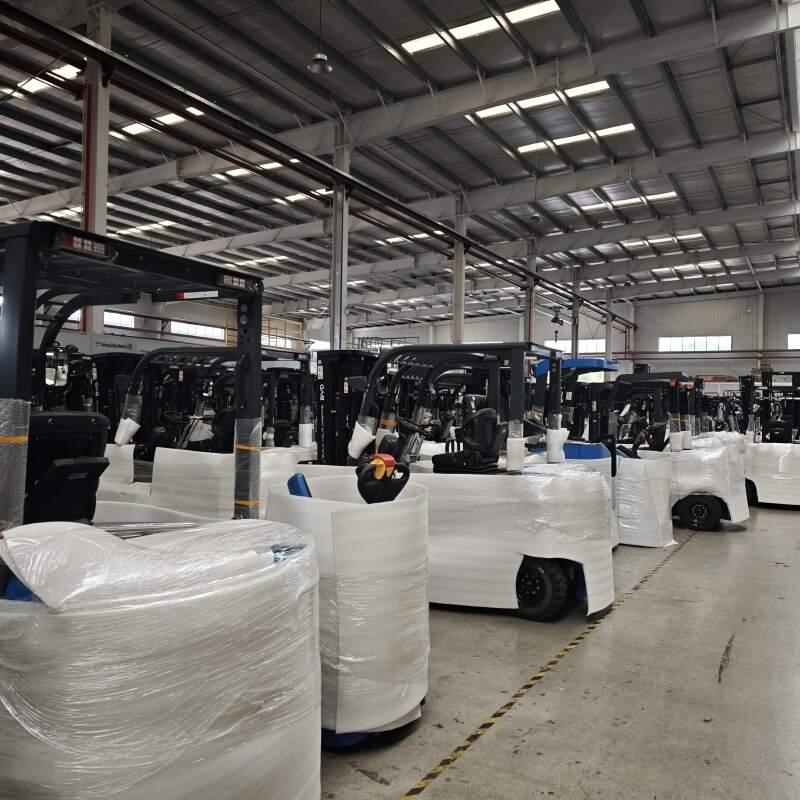
When selecting and deploying reach forklifts, agriculture facility managers need to make parameter matching according to the actual situation of their own sites. They can first count the maximum weight of conventional pallets to be handled on a daily basis, most agricultural material and agricultural product pallets weigh between 1.5 tons and 2.5 tons, so it is not necessary to purchase excessively high tonnage equipment to avoid unnecessary cost waste. Then measure the minimum width of the operation aisle and the maximum height of the existing shelves, to select the corresponding gantry lifting height parameter that matches the site situation. For sites that need to pass through the entrance of the warehouse with a small amount of mud and straw debris, it is recommended to select the model with non-slip solid tires and dust-proof and waterproof circuit protection design, which can better adapt to the complex environmental characteristics of the farm.
In daily use, operators need to receive standardized operation training before taking up the post. It is recommended to check the battery level before the daily operation, and clean the straw, soil and other debris wrapped on the tires after the operation is completed, to maintain the stable operation state of the equipment. We are Jian Shu New Energy, focusing on BYD electric forklifts. If you have relevant consultation demands, you can send an email to [email protected] for further communication.


