
 English
 简体中文
简体中文 Русский
 Français
 Português
 Español

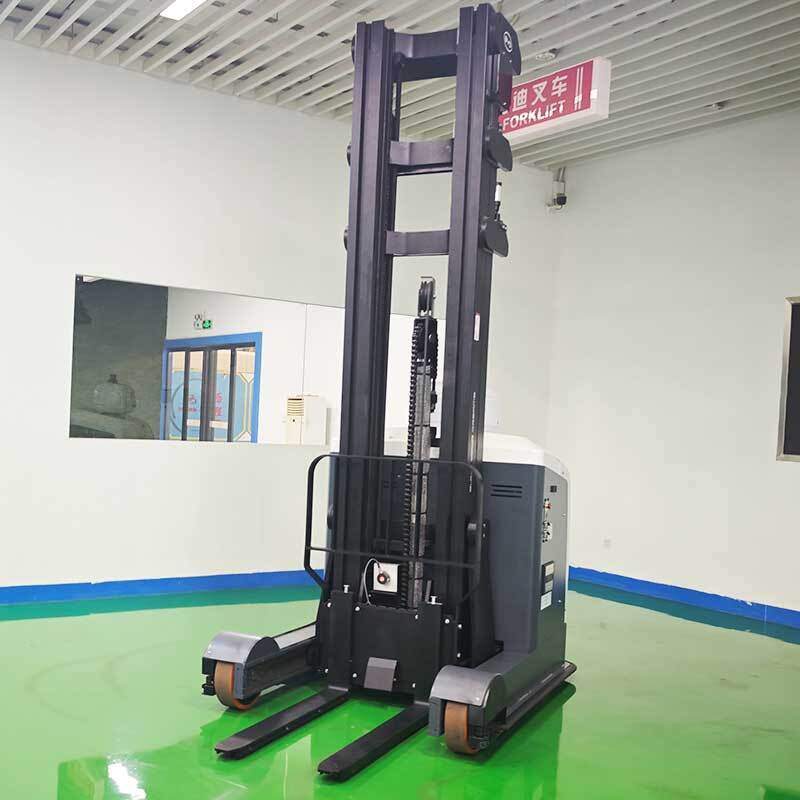
As the core supporting equipment for modern factory and warehouse material handling, electric forklifts are widely recognized for their low noise, zero local emission and smooth running performance. Mastering scientific use and management rules can help operation teams give full play to the advantages of such equipment, avoid unnecessary unexpected downtime, and control the overall long-term operating cost at a reasonable level.
Core Pre-operation Inspection Specifications
Before launching formal daily operation, operators need to complete a systematic check of the equipment's key status. First, confirm the remaining power level of the power unit, to avoid sudden power outage in the middle of high-intensity handling tasks that may block the internal logistics passage. Then check the wear condition of walking wheels and load forks, to make sure no obvious deformation or crack exists that may bring potential safety risks. Operators also need to test the flexibility of the braking system and steering structure in an open empty area, to eliminate abnormal stuttering or unresponsive situations before entering the formal working space.
Standard Operation Habits to Reduce Equipment Wear
During the operation process, operators should follow the official load marking requirement strictly, do not carry goods that exceed the rated load limit for a long time, which may cause extra loss to the driving motor and lifting hydraulic structure. When turning in narrow storage aisles, operators should slow down in advance, avoid sharp turning at high speed to prevent side slipping or collision with surrounding shelves. It is also recommended to keep the running speed stable when carrying goods at high positions, to prevent the goods from falling due to sudden acceleration or deceleration. After each operation cycle, operators should park the equipment in the designated charging area, lower the load forks to contact the ground, and cut off the main power switch properly.
Routine Maintenance and Daily Management Tips
For long-term stable operation, the management team can arrange regular maintenance work on a weekly and monthly basis. Clean the dust and sundries accumulated on the surface of the motor and heat dissipation structure every week, to ensure the normal heat dissipation effect during long-time continuous operation. Check the connection tightness of power circuit components every month, to avoid poor contact caused by long-term vibration that may trigger abnormal power failure. Reasonable arrangement of equipment usage rotation can also effectively reduce the excessive loss of single unit, and extend the overall service life of the fleet, creating stable value for daily material handling work.


