
 English
 简体中文
简体中文 Русский
 Français
 Português
 Español

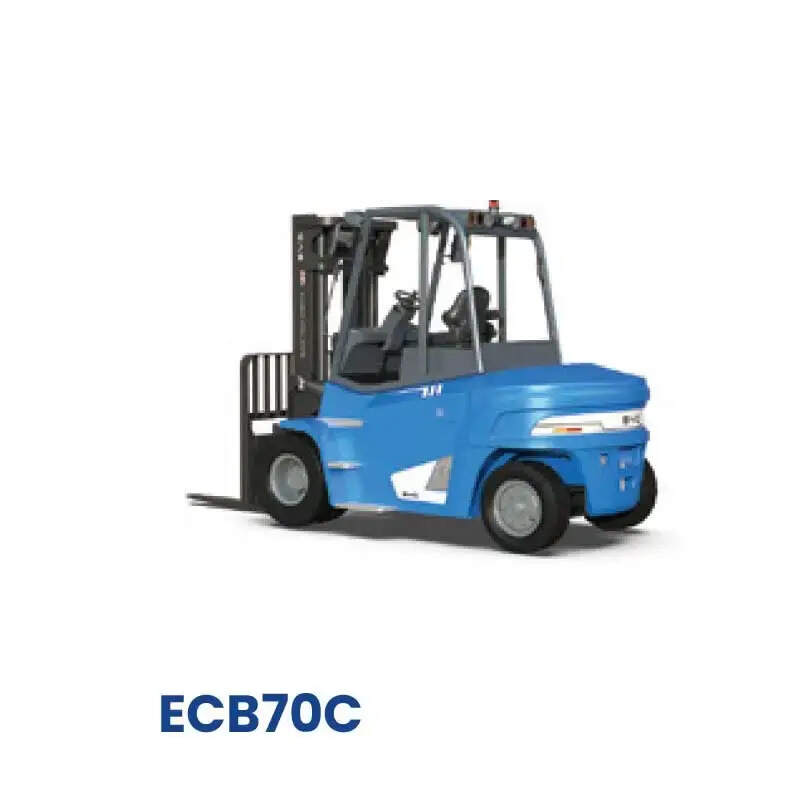
As low-carbon logistics development accelerates across various industrial scenarios, electric forklifts have become core equipment for indoor and closed-area material handling, their performance stability and use efficiency directly affect the overall operation rhythm of the entire logistics system. Mastering standardized use and management rules can help relevant practitioners maximize the inherent advantages of such equipment under safe preconditions.
Core Pre-operation Inspection Protocols
Before starting the equipment for daily tasks, operators need to complete a series of systematic checks to eliminate hidden risks in advance. The first step is to confirm the remaining power status of the power system, check whether the connection of the power components is firm, and confirm that there is no abnormal leakage or wear on the external wiring. After that, it is necessary to test the flexibility of the steering system, the sensitivity of the braking function, and the normal response of all warning indicator lights, and check the wear degree of the tire tread to avoid slipping during the handling process. Operators also need to confirm that the lifting limit of the gantry structure is within the preset safe range, and there is no foreign matter stuck in the operation gap of the fork parts.
Standard Daily Operation Best Practices
In the actual operation process, operators need to strictly follow the load parameter range specified by the equipment, and do not carry over-limit heavy objects for a long time, so as to avoid excessive loss of the power drive system. When the equipment is running, it is necessary to keep the driving speed matching the current site condition, slow down in areas with dense personnel, narrow channels or uneven ground, and avoid sudden steering or emergency braking operations that easily cause the center of gravity of the vehicle to shift. When stacking and picking up goods, keep the gantry tilted back slightly, and keep the goods at a reasonable lifting height to avoid scratching the surrounding shelves or hitting passing personnel.
Targeted Routine Maintenance Measures
Regular maintenance work formulated according to the actual use frequency of the equipment can effectively extend the overall service life of the equipment. After the daily operation is completed, the operator needs to park the equipment in the designated ventilation and dry area, lower the fork to a position close to the ground, and cut off the power supply stably. The dust and sundries accumulated on the surface of the body and the operating parts should be cleaned regularly, and the lubricating grease should be added to the rotating connection parts at regular intervals to reduce mechanical friction loss. The power system should be charged in strict accordance with the corresponding operation specifications, and avoid over-discharging or over-charging phenomena that may cause damage to the internal structure of the battery.
Energy Consumption Optimization Tips
Reasonable operation habits can effectively reduce the overall energy consumption level of electric forklifts in the whole life cycle. Planning a reasonable handling route in advance before the task starts can reduce unnecessary repeated driving, and properly arrange the sequence of goods access according to the layout of the storage area to shorten the running distance of the equipment. Avoid long-time idling of the equipment in the non-working state, and adjust the driving power output reasonably according to the actual load weight, so as to give full play to the energy-saving advantages of the electric drive system.


