
 English
 简体中文
 Русский
 Français
 Português
 Español


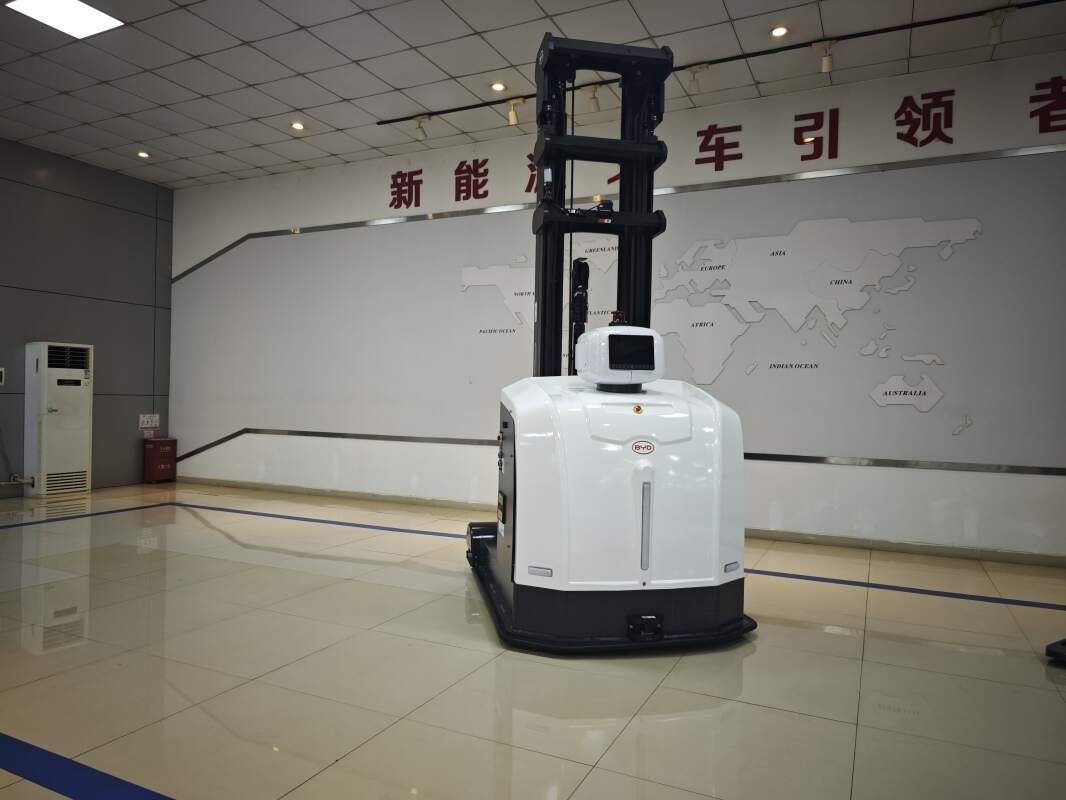
Electric forklifts have become a mainstream choice in modern logistics, warehousing and manufacturing material handling scenarios in recent years, as the industry pays growing attention to low-carbon operation and operating cost control. Mastering systematic knowledge of use, maintenance and scenario adaptation can help enterprise operators give full play to the value of the equipment, reduce unnecessary operation cost and lower potential safety risks.
Core Advantages of Electric Forklifts for Modern Warehouses
Compared with fuel-powered handling equipment, electric forklifts produce no exhaust emission during operation, which can meet the environmental access requirements of indoor closed operation spaces such as food processing workshops, pharmaceutical warehouses and cold storage areas. Their running noise is relatively low, which can reduce the noise interference to surrounding staff during long-hour continuous operation in dense working areas. The overall structure of the electric power system is relatively simple, and there are no complex fuel supply and exhaust treatment components, which lowers the threshold for daily routine inspection for frontline management teams.
Key Daily Maintenance Practices to Extend Service Life
Regular daily inspection work can effectively reduce the probability of sudden equipment failure. Operators need to check the remaining power status of the power component before starting work every shift, confirm that the appearance of the power connector has no obvious wear or loose connection, and clean the dust and sundries on the surface of the walking motor and hydraulic oil circuit parts after finishing daily work. It is not recommended to keep the equipment in full load state for a long time during the non-working period, and the power supplement work should be carried out in a well-ventilated special area that meets relevant local safety specifications.
Standard Operation Specifications to Avoid Potential Risks
Before formal operation, operators need to complete corresponding professional skill training, get familiar with the parameters of the corresponding equipment such as rated load and maximum lifting height, and adjust the operation mode according to the actual on-site condition. When operating the equipment in narrow passages, operators need to slow down properly, pay attention to the surrounding obstacles and passing staff, and avoid sudden steering or sudden braking behavior. When lifting goods, it is necessary to confirm that the goods are placed stably on the pallet forks, and no part of the goods exceeds the safe operation range of the equipment.
Optimization Tips for Different Application Scenarios
For high-frequency continuous operation scenarios such as large-scale e-commerce sorting warehouses, operators can arrange reasonable rotation of multiple equipment according to the peak period of goods handling, to avoid long-time high-load operation of single equipment. For low-temperature cold storage scenarios, corresponding protective measures can be taken for the power system, to keep the stable operation performance of the equipment in low temperature environment.


