
 English
 简体中文
 Русский
 Français
 Português
 Español


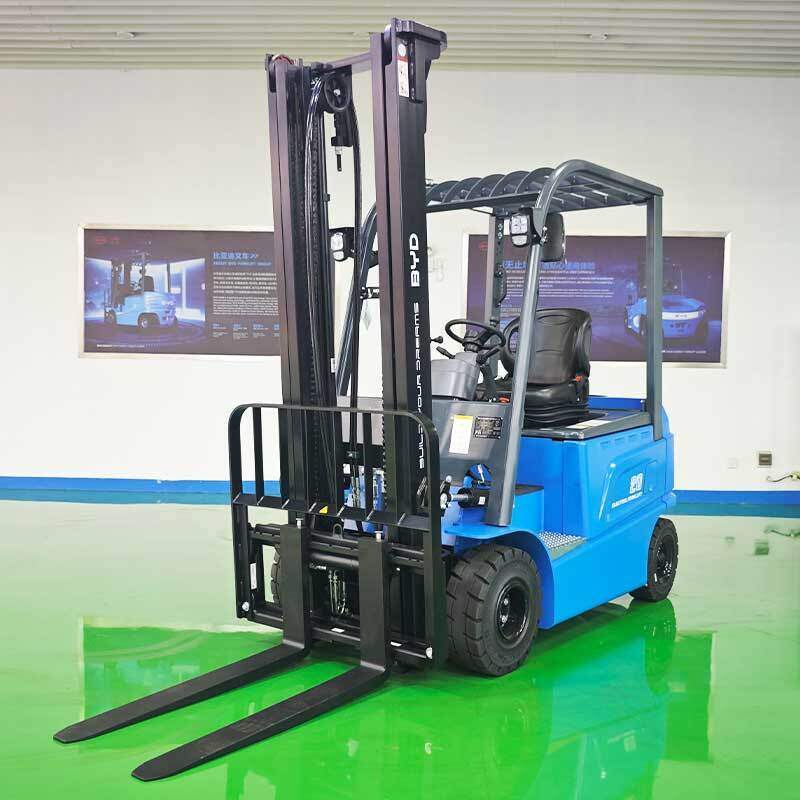
As the logistics and warehousing industry continues to pursue low-carbon and smooth operation, electric forklifts have become one of the most widely used material handling equipment in indoor operation scenarios, and mastering proper use and management rules can help operators give full play to the inherent advantages of the equipment, reduce unnecessary operation risks, and control comprehensive operating costs within a reasonable range.
Core Safety Pre-operation Checks
Before starting each shift of operation, operators need to complete a series of standardized inspection steps, instead of starting the equipment directly. First, check the appearance of the vehicle body to confirm there is no obvious crack, deformation or leakage of electrolyte and lubricating oil, then test the flexibility of the braking system, steering system and lifting control handle, to ensure all functions can respond normally when receiving operation instructions. Operators also need to check the remaining power level, confirm that the warning light and sound prompt device are in normal working condition, and check the wear degree of the tire tread, to avoid slipping risk during subsequent cargo handling process.
Routine Maintenance Practices to Extend Service Life
Daily maintenance work does not need complex professional equipment, most of the steps can be completed by well-trained operators after work. After each operation shift, operators should wipe the dust and accumulated sundries on the surface of the equipment, especially clean the dust deposited on the heat dissipation structure of the power system, to avoid affecting the normal heat dissipation effect during long-term operation. It is also necessary to arrange regular full inspection of the power system components according to the operation frequency, avoid over-discharging the power battery, and store the equipment in a dry, ventilated and flat designated area when it is not in use for a long time, to avoid moisture corrosion of the circuit structure.
Energy Efficiency Optimization Tips for Daily Use
Developing good operation habits can effectively reduce unnecessary power consumption and extend the single operation duration of the equipment. Operators should try to avoid frequent sharp acceleration or emergency braking when driving on a flat road, keep the running speed within the specified reasonable range, and plan the handling route in advance before each batch of cargo handling, to reduce repeated driving and empty running distance. When unloading or stacking goods, operators should adjust the lifting speed to match the weight of the goods, avoid long time to keep the goods at a high position, so as to reduce the unnecessary power loss of the hydraulic system. Following these standardized operation and management rules, the comprehensive operation performance of electric forklifts can be kept in a stable state for a long time, creating more stable value for the daily material handling work of the warehouse.


