
 English
 简体中文
 Русский
 Français
 Português
 Español


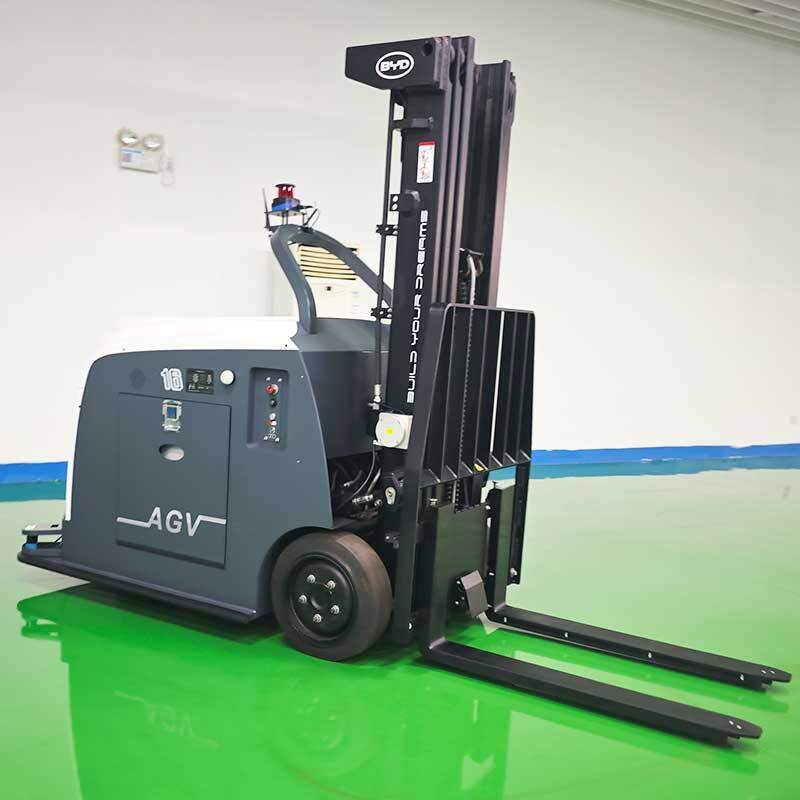
Against the backdrop of growing low-carbon demand in the logistics sector, electric forklifts have become a mainstream choice for most indoor and closed material handling scenarios for their low noise, zero local emissions and relatively low long-term operating cost. Proper usage and regular upkeep can help operators get more stable performance output from the equipment, and avoid unnecessary unexpected downtime that affects normal operation schedules.
Core Pre-operation Check Protocols
Before starting any shift, operators need to complete a series of basic checks to eliminate hidden risks in advance. It is suggested to inspect the outer condition of tires for obvious wear or foreign object embedding, test the flexibility of lifting and tilting mechanisms under no-load state, confirm the remaining power level of the battery, and verify the normal functionality of all warning lights, horn and braking systems. Do not start operation if any abnormal indicator appears during the check process, and report the status to the management team for further processing.
Standard Operation Best Practices
During the operation process, operators need to keep a clear view of the surrounding working environment at all times, adjust driving speed according to the ground condition and on-site personnel flow. It is not recommended to carry loads exceeding the rated load capacity of the equipment, and keep the load frame at a proper low height when driving on uneven ground or narrow aisles. When the equipment is not in use for a short period, park it at the designated area, lower the forks to contact the ground, cut off the power supply and engage the handbrake properly.
Routine Daily Maintenance Tips
After finishing the daily shift, operators can complete simple upkeep steps to extend the service life of core components. Wipe the dust and sundries attached to the equipment surface, clean the dust gathered at the heat dissipation vents of the power system, check the connector status of the battery and keep the surface of battery pack dry and clean. Follow the official guidance for charging operations, avoid over-discharging the battery to below the recommended remaining power threshold, and do not expose the equipment to extreme high or low temperature environment for a long time.
Long-term Usage Optimization Suggestions
For teams that use electric forklifts as core handling equipment, it is feasible to arrange regular professional inspection at a reasonable interval to assess the performance status of wearing parts, and replace aging components in time to prevent further damage to related parts. Training new operators with standardized operation procedures can also reduce the possibility of misoperation caused by unfamiliarity with the equipment, and create a safer working environment for all on-site personnel.


